Blog Archives

10 High Cholesterol Foods To Avoid

You don’t have to be a nutritionist to know that unhealthy foods like French fries and fried chicken are bad choices to eat on a regular basis. They’re loaded with sodium, fat, and cholesterol — but do you know just how much they contain?
According to the American Heart Association, a diet that is high incholesterol, saturated fats, and trans fats raises blood cholesterol levels and puts you at risk for heart disease. Saturated fats are found in foods like meat and dairy products that come from animals, while trans fats lurk in baked goods and fast foods.
Here are some obvious and not-so-obvious high-cholesterol food choices — most of which are also high in unhealthy fats.
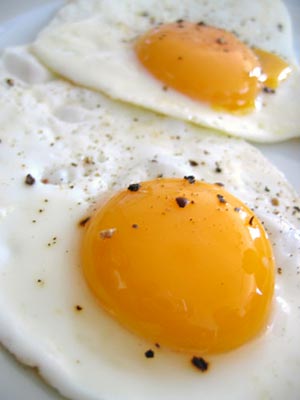
 What’s for Breakfast?
A Cheeseburger Is Not Paradise

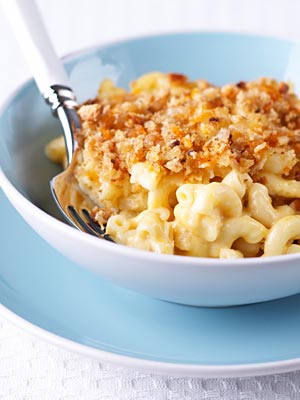
 Macaroni and Cheese
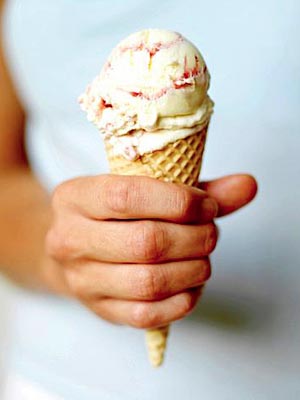
Ice Cream for Dessert?
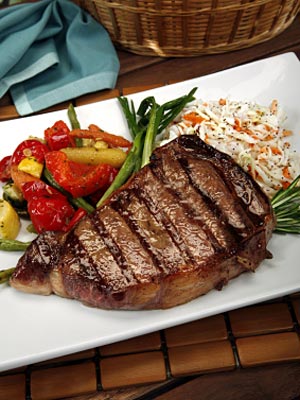
 What’s Better Than a Rib-Eye Steak for Dinner?
Do You Really Want That Muffin?

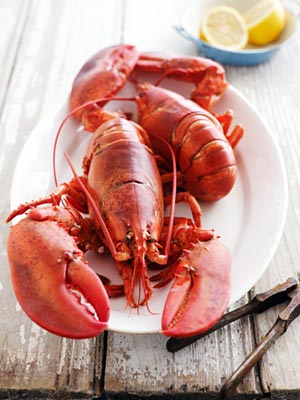
 Seafood: Is It a High-Cholesterol Food?
Even Chicken Can Be a High-Cholesterol Food

 Just Say No to Liver

Snacks Also Count as High-Cholesterol Food


Pineapple Delight
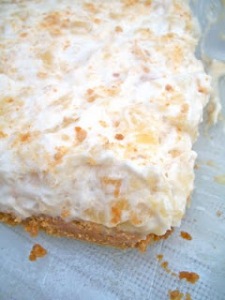
I remember the first time I had this dessert. I LOVED it then & I LOVE it even more today. Its cool, refreshing and not overly sweet. Just perfect for a hot summer’s day. It’s even better the next day; if by chance there are any leftovers. Truly a family favorite here in the Porter House.
Ingredients
2 cups of grahams crackers, crushed
6 tablespoons of sugar
6 tablespoons of butter, melted
1 – 8 oz of cream cheese, soften
1 – 14 oz can of sweetened condensed milk
1 – 20 oz can of crushed pineapple, drained
1 – 8 oz container of cool whip
Instructions
Preheat oven to 325 degrees.
Mix crumbs, sugar and melted butter. Press mixture onto bottom of 13 x 9 baking pan. Bake for 10 min.
In a large bowl, beat soften cream cheese and sweetened condense milk until smooth. Next mix in the drained crushed pineapple. Now fold in the cool whip. Spoon pineapple mixture over graham cracker crust once it has completely cooled. Garnish mixture with a few graham cracker crumbs sprinkled on top. Refrigerate overnight. Serve the next day and enjoy!

Porter House Sweet Tea

This is truly a Porter House Original and is made at every family get together.
Ingredients
1 Gallon Pitcher
2 Family Size Tea Bags
2 cups of Sugar
1 pack of Lemonade Kool-Aid
1 cup of Minute Maid Peach Juice
Sliced Lemons for garnish (optional)
Mint for garnish (optional)
Instructions
Fill gallon pitcher with water and place in tea bags. Put pitcher in refrigerator overnight to let the tea brew. Next day remove tea bags and add lemonade kool-aid, peach juice and sugar. Stir until well combined. Pour yourself a glass and garnish with lemon slices and fresh mint (optional). Don’t forget the ice & ENJOY!

Italian Potatoes

Ingredients
8 red potatoes, cut into quarter chunks
1 package of Italian Dressing & Salad Mix
1/4 cup of grated Parmesan cheese
1 tablespoon of minced garlic
1/4 cup of butter
chopped parsley, garnish (optional)
Instructions
Wash and scrub potatoes clean; cut them into quarter chunks. Place into pot with water and bring to a boil until fork tender. This should take about 30 to 35 minutes. When they’re cooked through, the fork should easily slide into the potatoes with no resistance, and the potatoes should almost, but not totally, fall apart.
Drain the potatoes in a large colander. When the potatoes have finished draining, place them back into the dry pot and put the pot on the stove over low heat for about 1-2 minutes. This allows all the steam to escape, before adding in all the other ingredients.
Turn off stove and add butter, garlic,Parmesan cheese and Italian dressing mix. Carefully toss potatoes until well coated and throw a few pats of butter over the top. Garnish with some chopped parsley for color (optional).

Why Antioxidants Are Vital To Your Health
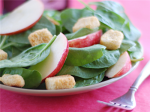
Antioxidants have gotten a lot of good press over the past decade or so. The more we learn about them the more we realize just how essential they are to good health. Among the things we know they do: fight disease, boost the immune system, nourish healthy skin, fight the effects of aging, preserve or restore heart health, increase stamina, kick start your energy, and combat cancer. Scientists are still discovering all of the things antioxidants can do.
After 40
 Why do we age? And, more importantly, why do we have to look old as we age? One theory of aging that is gaining a lot of traction today is the free-radical theory of aging (FRTA). Free radicals are rogue, unstable molecules that cruise around the body. Because the free radicals are unstable and off-balance, they seek to attach themselves to more stable molecules, including the cells of your skin, your heart, your lungs, and other important body areas. But once the free radical gloms onto the healthy molecule, it creates damage. So now you no longer have a free radical, but you do have a damaged cell. Everybody has free radicals, even babies. The miraculous human body contains many built-in systems aimed at keeping these rogue molecules in check and destroying them. But sometimes the free radicals overwhelm the body’s natural defenses. This can happen when you get sick, you are overly stressed (including being tired), or you do not nourish your body properly. Many foods are just loaded with free radicals, so you could be doing some of this damage with your own fork. One other thing that can cause the free radicals to go haywire—age. As we get older, our bodies’ natural defense systems get weaker. The FRTA theory states that over time, damage from free radicals builds up and we start to look and feel old. Antioxidants are substances that take out free radicals. Free radicals are unstable oxygen molecules and the very name antioxidant tells us that these substances are “anti” free radicals. Antioxidants wipe out free radicals and, in so doing, may reduce the signs of aging, preserve health, boost the immune system, raise our energy level, and make us feel good.
Seven Good Food Sources For Antioxidants
So now you need to know: just where can I find these antioxidant free-radical-busters? Three of the best known antioxidants are vitamins A, C and E, but did you know that there are more than 4,000 compounds that have antioxidant properties in the foods that we eat? That’s right, many foods contain antioxidants. And, no, these foods are not cheeseburgers and Twinkies. There are lots of benefits to eating a healthful diet, and top on the list has to be that you get plenty of natural antioxidants. Here are the big seven antioxidant-rich foods.
 Berries
All kinds of berries are good sources of antioxidants; Blueberries, raspberries, blackberries, strawberries and cranberries. The best way to eat these are fresh or frozen (frozen is nearly as good as fresh). Strawberry jam or strawberry flavoring doesn’t count—these have sugar and sometimes chemicals in them. Stick to natural food and eat it as close to its natural state as you can to get the maximum antioxidant punch.
Broccoli
Broccoli is powerhouse of a vegetable. Besides its high amount of vitamin C, it also supplies calcium, minerals and other vitamins. It can be eaten raw, steamed, boiled, roasted (try roasting it in the oven), or even juiced.
 Beans
Beans
Small red beans are rich in several nutrients including iron, magnesium potassium, copper, thiamin and phosphorus. Other beans with high antioxidant content are pinto, black and kidney beans.
Nuts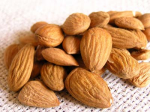
Almonds, hazelnuts, pistachios and walnuts are high in antioxidants. They’re also cholesterol-free and low in sodium. They can be high in calories, so you cannot overdo them. However, adding some nuts to salads or taking a handful of almonds as a mid-afternoon snack is a great idea that gives you an antioxidant kick.
 Veggies & More
Berries are the antioxidant king of the fruit world, but most fruits contain lots of antioxidants. Apples (eat the peel), cherries, pears, peaches, plums, red grapes, pineapple, kiwi, orange, and grapefruit are all excellent sources of antioxidants. Broccoli is the standout in the vegetable world, but nearly all veggies contain some antioxidants, with carrots, tomatoes, sweet potatoe, spinach, and potatoes particularly high in antioxidant content. Remember; eat the veggies as close to natural as you can. French fries are not a good source of antioxidants!
Green Tea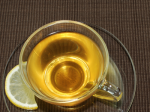
It is hard to go wrong with a few cups of plain green every day. This super-drink contains lots of vitamin C and many other powerful disease-fighting substances. This is an antioxidant cocktail and the best part … zero calories and a boost in hydration.
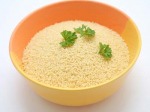 Grains
Just about any whole grain (whole wheat, whole rye, brown rice) contains a lot of antioxidant goodness. Oat based products are thought to have higher amounts of antioxidants than other grains.
Copyright © Beliefnet, Inc. and/or its licensors. All rights reserved.

30 Summer Foods For Weight Loss
Strawberries: Who can resist a bowl of juicy red berries? Pop ’em freely, because they’re the perfect summer snack: filling, light on 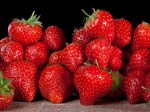 calories and laden with nutrients from omega 3 fats to cancer-fighting polyphenols. Just half a cup of strawberries provides over 70 percent of your daily Vitamin C, plus fiber and an array of antioxidants.
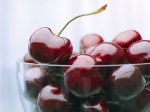 Cherries: Sweet, juicy cherries contain just 87 calories per cup — and if you enjoy them three times weekly in place of heavier desserts, you could shed up to five pounds this summer alone, say researchers at the University of California, Los Angeles. Bonus: Cherries are loaded with anthocyanins — antioxidants that University of Nebraska researchers say can help kill cancer cells and lower your liver’s production of artery-clogging cholesterol by as much as 10 percent.
Plums: “Whether eaten whole, dried or pureed into sauces, plums are low in calories and a good source of both dietary fibers and Vitamin C,” says Keller. Dried plums (also known as prunes) are the perfect grab-and-go healthy snack, and they make a rich, sweet dessert when stewed into compote. Plus, they can help suppress appetite thanks to their low glycemic load.
 Squash: From pattypan to zucchini, summer squash delivers major vitamins and nutrients (including magnesium, potassium and copper), to the tune of a mere 80 calories per half cup. With its bright colors and earthy flavor, squash makes the perfect side dish to any meal. On BBQ days, toss zucchini on the grill.
Bell Peppers: “Sweet red peppers are such a good source of beta carotene, and top the charts of vegetables for that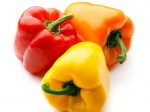 important antioxidant,” says Keller. “Green bell peppers also contain generous amounts of Vitamin C.” Peppers, like zucchini, grill up beautifully…for a rich, colorful side dish that fills you up on just a few calories.
 Mangoes: Dense with antioxidants — plus protein and omega 3 fats — mangoes are a delicious, low-calorie way to bulk up meals with exotic flavor, ensuring “healthy” fare doesn’t fall into a rut. Toss on top of oatmeal or yogurt, in salads and even in stir-fries.
Parsley: This often-overlooked herb is packed with slimming potential. According to USDA researchers, each cup contains 984 micrograms of vitamin K — a nutrient that prevents fluid retention and flushes out bloat, helping women shed three pounds of excess water weight if they serve it up daily. Use parsley to add a seasonal flare to salads, and add it to dressings, mayonnaise, omelettes, rice and potato dishes, soups, burgers and other main course meals to balance and brighten their natural flavors.
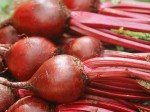 Beets: “One of the real gems found in beets is the B vitamin folate,” a key nutrient for women, says Keller. “Beets help protect against heart disease, birth defects and certain cancers, especially colon cancer.” Naturally sweet and agreeably buttery, beets can turn a salad into something special without adding lots of calories
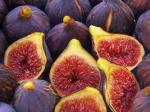
Figs: “If Mother Nature had a vote for her ultimate superfruit, figs would be it,” says Dr. Paul Gross, author of Superfruits. And why not? They pack fiber, potassium, folate and vitamins for heart health into one incredibly sweet, low-cal fruit. Having been around for 6,000 years, figs might have even kept Cleopatra trim. For a snack that sticks with you, try the black mission figs — the seeds release even more nutrients and omega fats then the flesh itself.
 Blackberries: The superstars of the slimming fruits, blackberries contain just 62 calories per cup, they’re packed with six grams of appetite-taming fiber, plus they’re low in sugar, fat-free and packed with berry flavor! Even better, they’re a great source of manganese — a tough-to-find mineral that helps muscle cells soak up and burn fats — all-told, helping women shed up to 14 pounds per year, if they enjoy one cup daily, say University of Maryland researchers. Bonus: Tufts University research shows that blackberries contain 220 percent more cancer-fighting antioxidants than even broccoli.
Garlic: Sneak one clove into a meal, and your hunger pangs could disappear within 10 minutes of enjoying the first few bites,  according to studies at Chicago’s Smell and Taste Treatment and Research Foundation. “The enticing odor of garlic activates the hypothalamus — your brain’s satiety center — helping you feel genuinely full long before your tummy is uncomfortably full,” says lead researcher Alan Hirsch, M.D. Bonus: A University of South Carolina study shows that eating just one clove of garlic daily can slash your risk of stomach cancer by 30 percent. Credit goes to garlic’s allicin and quercetin — powerful antioxidants that shuts down the growth of suspicious cells in the digestive tract.
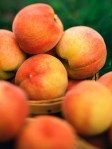 Peaches: Why pass up dessert when the “stone fruits” of summer (think peaches and nectarines) can make for a guilt-free sweet treat? Tossed on the grill, peaches and nectarines get even more flavorful as the heat caramelizes their natural sugars. Top with low-fat ice cream, and you won’t feel one bit deprived.
Pluots: These tasty fruits (which are sometimes sold under the name dinosaur eggs due to their odd coloring) are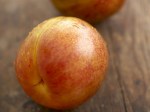 actually part plum and part apricot. And if a sweet tooth is killing your efforts to stick to a healthy diet, enjoying two of them daily could be your ticket to slim. Pluots have an intense, sweet flavor and delicate, fruity scent — and when their distinctive taste and smell reach your brain’s olfactory nerve, they can shut down sugar cravings in as little as five minutes.
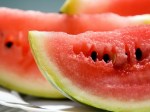 Watermelon: If you’re looking for a slimming snack, watermelon can’t be beat. You’d have to eat six cups of the stuff to get the calories in just half a cup of Haagen-Daz vanilla ice cream! And watermelon’s no slouch in the beauty-boosting department, either. According to Tufts University researchers, it’s loaded with lycopene — a plant compound that acts like an internal sunblock, upping your protection against damaging UV rays by as much as 46 percent, helping to prevent collagen damage and skin sagging.
Cantaloupe: According to USDA researchers, this melon is one of the most filling fruits you can find — eating just half a cup squashes hunger pangs for two hours at a stretch. An added perk: Cantaloupe is packed with vitamin A — a nutrient that a study in Environmental Nutrition says can help block the buildup of artery-clogging plaque, cutting your risk of heart disease as much as 33 percent.
 Blueberries: Blueberries improve circulation and fight free-radical damage to cells and tissues, says Keller. They’re also super low-cal. Enjoy them on top of oatmeal, in whole-grain muffins, as a garnish for BBQ meats and even pureed into hamburger patties for added moistness and flavor!
Green Beans: Add half a cup of green beans to your evening meal and you’ll feel full almost twice as quickly 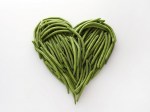 — and stay full for three hours straight, say Stanford University researchers. Credit green beans’ appetite-controlling blend of omega-3 fatty acids, magnesium and fiber. And here’s the kicker: According to Stanford studies, green beans are also high in anti-inflammatory enzymes — compounds that can help flush excess water weight out of cellulite-prone areas.
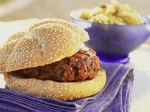 Buffalo Burgers: No need to give up red meat when you’re grilling. Bison (or buffalo) burger is naturally lean, far lower in fat and calories than beef, chicken or pork. Plus, it’s a great source of iron and omega 3 fats. Try the patties open-faced with half a bun, and hold the cheese and mayo while piling on the mustard, relish and salsa.
Cherry Tomatoes: When it comes to fat-burning potential, cherry tomatoes are off the charts. According to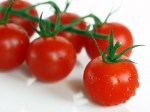 Yale University researchers, just adding a cup of these sweet gems to your daily diet could help you shed up to three pounds every month — without making any mega diet changes. Credit goes to the cherry tomatoes’ antioxidants — including naringenin, rutin and kaempferol — which soak liver cells and fire up their ability to burn stored fat for fuel.
 Kohlrabi: Never tried it? It looks like a funky cross between a cabbage and a turnip but it actually tastes vaguely like a peeled broccoli stem (only milder and sweeter). Kohlrabi is great raw — in salads and coleslaws — plus it’s delicious grilled, roasted and stir-fried. And according to Stanford University researchers, kohlrabi is rich in choline, potassium and phosphorus — nutrients that energize your central nervous system, helping you exercise harder without running out of steam.
Sweet Corn: Few things say summer like freshly picked corn on the cob. And if you love carbs — and have a tough time fighting off the urge to nosh them nonstop — then this is the veggie for you. Each cob contains three grams of appetite-taming protein, plus 138 milligrams of phenylalanine — an amino acid that quickly soaks into brain cells, where it dampens carb cravings for up to three hours. Corn is also one of nature’s top sources of lutein and zeaxanthin — antioxidants that stall the growth of vision-robbing cataracts, say Yale researchers.
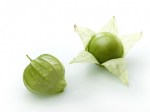 Tomatillos: They look like baby green tomatoes, but they’ve actually got a tangy, citrusy flavor that goes great with a multitude of Mexican dishes, including guacamole, salsa verde, enchiladas, soups…you name it. Tomatillos contain just 11 calories each, plus they’re a great source of appetite-suppressing minerals. Feeling frazzled? Tomatillos are also rich in withanolides — plant compounds that help calm the adrenal glands, say researchers at the Swedish Herbal Institute in York, Maine.
Bartlett Pears: They’re the most popular pear world-wide, and for good reason: Penn State studies suggest eating one each morning can help you effortlessly trim 190 calories out of your daily diet — and 12 pounds off your figure every year. The act of chewing, plus the rich, satisfying flavor of these juicy pears, soothes the hypothalamus — the region of your brain that fuels powerful hunger pangs and cravings, say Stanford University researchers.
 Chilies: Jalapenos, habaneros, serranos, fresnos…these mouth-watering fruits (yes, they’re fruits!) can do a lot more than just jazz up your favorite soups and chilies. According to a British research team, their active ingredient — capsaicin — can also boost your fat-burning metabolic rate by 10 percent for up to three hours at a stretch. Another fiery fact: Canadian research shows that chilies suppress appetite, helping you feel full on 200 fewer calories per meal.
Lima Beans: To lose weight at a steady clip, you need to keep your blood sugar levels low, since your body will only dip into your fat stores if its supply of easy-to-burn sugars dries up, says Larrian Gillespie, M.D., author of You’re Not Crazy, It’s Your Hormones. And that’s where lima beans come in handy. According to Australian researchers, they’re packed with fiber and plant proteins — molecules that stall carb absorption in the intestines, plus help your muscles burn blood sugar before it can sabotage your weight loss efforts. Enjoy half a cup daily, and you could speed your weight loss by 50 percent, the study authors say.
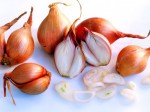 Shallots: They’re from the same family as onions, but these milder bulbs won’t bring tears to your eyes when you slice them. Despite their mild nature, shallots are loaded with sulfur — a nutrient that helps your hard-working organs burn carbs for fuel before they can be stowed away as fat, say Stanford University researchers. Sulfur is also a powerful anti-inflammatory that helps kill off H. pylori — the troublesome bacteria that causes stomach ulcers, add researchers at Albany’s State University of New York.
Grapes: Scientists measure how much foods mess with your blood sugar — and your ability to lose weight —  by using a scale called the glycemic index. Lower numbers are better, and that’s where grapes really shine. According to studies at Australia’s University of Sydney, these tasty little globes have a glycemic index of 43 — and that means they’re as good at keeping your blood sugar steady and helping you lose weight as bran cereals and chick peas! Got an achy back? Purple and red grapes are loaded with resveratrol — an antioxidant that relaxes blood vessels, improving blood flow to damaged back tissues and speeding their healing, says Mark Stengler, N.D., author of The Natural Physician’s Healing Therapies.
 Romaine Lettuce: Fat-blasting fact: A large romaine lettuce leaf contains just one calorie — plus it’s fat-free, sodium-free and cholesterol-free! Need more incentive? Romaine is rich in folic acid — a B vitamin that can actually reverse cervical dysplasia (a precancerous condition that can progress to cervical cancer). Folic acid soaks into the cervix and forces abnormal cells to either grow normally or die, say University of Florida researchers. Use romaine to add an impressive crunch to your sandwiches — or turn the leaves into “pockets” to hold chicken, cheese, veggies and other fillings.
Kiwis: These sweet, tart treats are now showing up in even the smallest grocery stores. And nibbling one or two of them daily could help you reach your weight loss goals a whole lot sooner. That’s because kiwis are loaded with chlorophyll — a green pigment that heals and energizes the liver, increasing this organ’s ability to burn fat for fuel, says Susan M. Lark, M.D., author of Dr. Susan Lark’s Hormone Revolution. Another perk: A study published in the journal Thorax suggests that the kiwi’s healing vitamin C and chlorophyll can help cut lung troubles — like shortness of breath and wheezing during exercise — by as much as 32 percent.
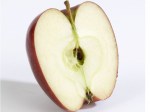 Gala Apples: They start cropping up in August, and their mild, sweet flavor, thin skin, small size and resistance to bruising makes them one of the most loved apples nationwide. Munch one before lunch and another before supper, and Brazilian researchers say you could effortlessly shed three pounds of fat in one month. The reason? Apples are nature’s number one source of pectin — a soluble fiber that blocks the absorption of dietary fats. Good news: Apples are also rich in quercetin and ellagic acid — compounds that cut your liver’s production of artery-clogging LDL cholesterol by 34 percent, say researchers at the University of California at Davis.
Source: iVillage

The 7 Super Foods Of The Bible

Trying to eat healthy? Start by opening your Bible to Deuteronomy 8:8, where the Israelites are promised “a good land…, a land of wheat and barley, of vines, figs, and pomegranates, a land of olive trees and honey.” The ancients might not have known the word “antioxidant,” but they were onto something with this list of biblical “super-foods.” Explore this gallery to find out exactly how on-target they were.
Wheat
This grain, which is found in everything from bread to pasta to cakes, is healthier when it is refined as little as possible. Whole-wheat products (those that are certified 100% whole wheat) contain 30 percent of your recommended daily fiber intake, as well as high levels of manganese and magnesium. A diet rich in whole grains is also thought to increase your energy level and lower your risk of type-2 diabetes, gallstones, and other health issues.
 Barley
Another whole grain, barley can be found in breads and cereals, as well as in hearty winter soups. High in fiber, barley is good for intestinal health and can lower cholesterol and reduce your risk of colon cancer and type-2 diabetes if eaten regularly. Barley also contains trace amounts of copper, which have been shown to help reduce the symptoms of arthritis.
Grapes
Everyone knows that grape juice and red wine are tasty—but healthy? Grapes contain nutritional compounds called flavonoids, which are believed to reduce your risk of blood clots and protect your body from damage by the “free radicals” found in LDL, or “bad,” cholesterol. Rich in antioxidants, grapes may provide protection against cardiovascular disease, particularly in women.
 Figs
Figs
These sweet fruits, eaten either dried or fresh, are high in potassium, a mineral that helps control blood pressure. They are also high in dietary fiber, which may help you lose weight, and they are a fruit source of calcium, which can help preserve bone density. Fig leaves, which are not typically eaten but can be made into an extract, are thought to help lower insulin levels in diabetics.
Pomegranate
These strange-looking seed fruits are back in vogue as health-giving super-foods, particularly in juice form. The fruits are rich in antioxidants, which prevent LDL cholesterol from doing its damage, and it helps prevent blood clots by keeping blood platelets from clumping together. Pomegranates may also help reduce the risk of breast cancer and lessen the symptoms of arthritis.
 Olive Oil
Olives, and the extra-virgin oil that is made from a single pressing of the fruit, contain many of the antioxidants that are thought to protect against the oxidation of LDL cholesterol compounds. They also are high in monounsaturated fatty acids, which are called “the healing fats” because they lower the effects of “bad” cholesterol while raising “good” cholesterol levels. High in vitamin E, olive oil also is thought to protect against colon cancer, and it is helpful in fighting gastritis and other stomach ailments.
Honey
Raw honey, in addition to being a natural sweetener, is replete with antioxidants and is considered to be an anti-viral, anti-bacterial, anti-fungal substance. It is thought to have tumor-fighting properties, and may help prevent colon cancer. The daily consumption of a spoonful of honey is said to increase antioxidant levels in the blood, and is the healthiest sweetener for type-2 diabetics. Honey also may have wound-healing and muscle-regenerating properties.
Copyright © Beliefnet, Inc. and/or its licensors. All rights reserved.

Apple Cinnamon & Raisin Oatmeal
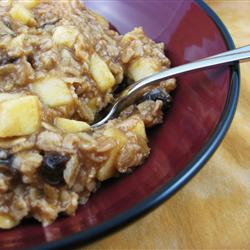
INGREDIENTS:
1 apple – peeled, cored and finely chopped
2 1/3 cups apple juice
1 1/3 cups quick-cooking oats
1 teaspoon ground cinnamon
1/2 teaspoon salt
2 tablespoons of regular raisins
2 tablespoons of golden raisins
1/4 cup of brown sugar
1 teaspoon vanilla extract
INSTRUCTIONS:
In a saucepan, combine apple, apple juice, oats, cinnamon and salt. Bring to a boil; boil for 1 minute, stirring occasionally. Remove from the heat; stir in raisins, brown sugar and vanilla. Cover and let stand for 5 minutes. Serve immediately. Eat & Enjoy!
*Chef’s Note: Want to add a little tartness? Use dried cranberries instead of raisins.

Pan-Fried Tilapia
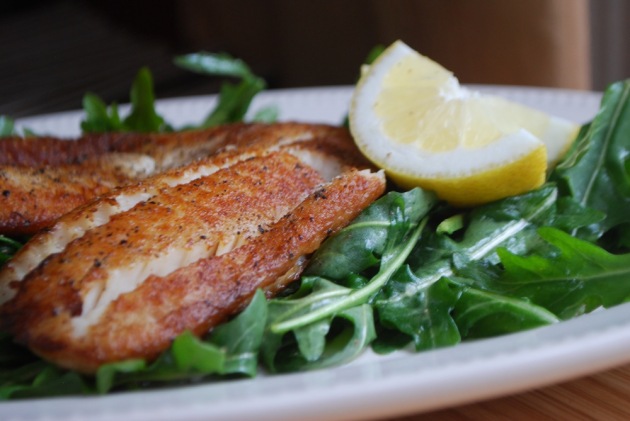
Ingredients
6-8 Tilapia fillets, rinsed and patted dry
1 egg
1/3 cup milk
1/2 cup Italian bread crumbs
1/4 cup Parmesan Cheese
1 teaspoon onion powder
1 teaspoon garlic powder
1 teaspoon Old Bay
1/4 teaspoon black pepper
1/4 teaspoon sea salt
1 cup olive oil
4 Tablespoons butter
Lemons
Instructions
1. Beat the egg with milk in a shallow bowl. In another shallow bowl, mix together the bread crumbs, parmesan cheese, onion powder, garlic powder, Old Bay, black pepper, and sea salt.
2. Dip a tilapia fillet into the egg mixture, then press gently into the crumb mixture on both sides; set the coated fillet onto a sheet pan.
3. Repeat with remaining fillets; refrigerate the coated fillets for about 15 minutes to help set the crumbs.
4. Heat olive oil and butter in a non-stick skillet over medium heat. Once the oil is hot lay fillets in the pan and cook for 2-3 minutes or until golden brown on the pan side. Flip fillets and cook for another 2-3 minutes. When done remove fillets from oil and drain on paper towels or paper bag. Sprinkle fillets with fresh squeezed lemon juice. Serve immediately with your favorite side dish & Enjoy!
* Chef’s Tip – Want a little smoke flavor? Cook these fillets on the grill. Delish!

Mac & Cheese Bake
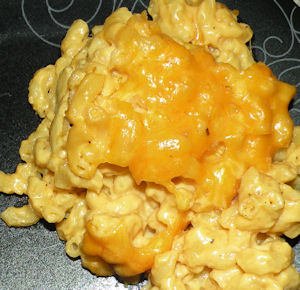
Whats more soulful than a heaping of mac & cheese. Old school baked that is and here in the Porter House it’s a tried and true staple. Anytime we can have it. We make it. It’s just that popular. I believe it’s one of the most requested. It’s a great accompliment to the main course but good enough to stand alone. Behold the POWER of cheese.
Ingredients
- Cooking spray or butter
- 16 oz cooked elbow macaroni or shells
- One 12-oz can evaporated milk
- 1 1/2 cups whole milk
- 1/4 cup (1/2 stick ) of butter, melted
- 1 teaspoon salt
- 1 teaspoon of pepper
- 1 teaspoon of dry mustard
- 2 large eggs, beaten
- 10-oz Cabot Seriously Sharp Yellow Cheddar Cheese, grated
- 10-oz Cabot Seriously Sharp White Cheddar Cheese, grated
Instructions
Cook macaroni or shells according to the directions on the box. Drain and set aside.
Butter or spray a 13 x 9 casserole dish. Next mix the cooked macaroni or shells, evaporated milk, whole milk, butter, salt, pepper, and dry mustard together. In a separate bowl whisk the eggs and slowly add 1/4 cup of the macaroni mixture (this is to temper the eggs). Now combine the egg mixture to the macaroni mixture. Next add all of the grated white cheddar cheese and mix. Pour macaroni and cheese mixture in the greased casserole dish and evenly sprinkle all of the yellow cheddar cheese over the top. Place in oven and bake for 50 minutes or until cheese is bubbly.
*Chef’s Note: BYOC (Be Your Own Chef) and use what ever cheese you like. If you don’t like Sharp Cheddar use Mild Cheddar. Or Provolone. Or Gruyere. Or whatever floats your boat. The options are endless.


 I Am Lady Fab