Blog Archives

Fried Peanut Butter & Banana Sandwich

Are you hungry tonight? LOL. Well do I have a Hunka Hunka Burning Love sandwich for you, Fried Peanut Butter & Banana. Even though this recipe does not include bacon it has been referred to as a favorite of Elvis Presley who was famously renowned for his food cravings. So here’s to the “King”. “You’re Always On My Mind.”
Ingredients
for sandwiches:
2-3 Ripe bananas
8 Slices whole wheat bread
3/4 cup crunchy peanut butter
3 tablespoon honey
1 1/2 teaspoon cinnamon
1/2 cup butter
for topping:
1/4 cup of sugar
1 tablespoon cinnamon
Instructions
1. In a small bowl mix together peanut butter, honey and cinnamon. Slice bananas into 1/4 thick slices. Spread the peanut butter mixture on four slices of bread and cover with banana slices. Top with remaining 4 slices of bread. Spread whipped butter on both sides of sandwiches.
2. In frying pan melt 3 tablespoons of butter – make sure butter does not burn. Grill sandwiches in frying pan until each side is golden brown.
3. Combine sugar and cinnamon in shallow plate. Coat grilled sandwiches with mixture. Cut diagonally and serve hot.
*CHEF’S TIP – Want a little variety? Try Nutella or add some marshmallow creme, or some bacon. For all I care throw some jelly on that thang. Be creative and just let your imagination run wild.

25 Top Heart-Healthy Foods
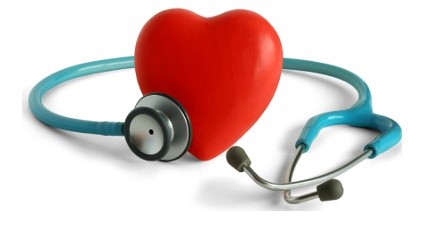
With the help of these nutrition experts from The Cleveland Clinic and the American Dietetic Association, we’ve put together a list of the “best of the best” heart-healthy foods.
The foods listed here are all top-performers in protecting your heart and blood vessels. We’ve also got menu ideas — so you can easily bring heart-healthy foods into your daily breakfast, lunch, and dinner.
These 25 foods are loaded with heart-healthy nutrients that help protect your cardiovascular system.
 1. Salmon
Omega-3 fatty acids.
Grill salmon with a yummy rub or marinade. Save a chunk to chop for a pasta or salad later on.

2. Flaxseed (ground)
Omega-3 fatty acids; fiber, phytoestrogens.
Ground flaxseed hides easily in all sorts of foods — yogurt parfaits, morning cereal, homemade muffins, or cookies.
 3. Oatmeal
Omega-3 fatty acids; magnesium; potassium; folate; niacin; calcium; soluble fiber.
Top hot oatmeal with fresh berries. Oatmeal-and-raisin cookies are a hearty treat.

4. Black or Kidney Beans
B-complex vitamins; niacin; folate; magnesium; omega-3 fatty acids; calcium; soluble fiber.
Give soup or salad a nutrient boost — stir in some beans.
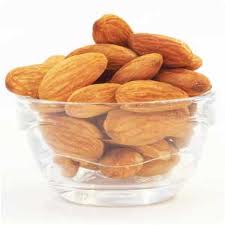 5. Almonds
Plant omega-3 fatty acids; vitamin E; magnesium; fiber; heart-favorable mono- and polyunsaturated fats; phytosterols.
Mix a few almonds (and berries) into low-fat yogurt, trail mix, or fruit salads.
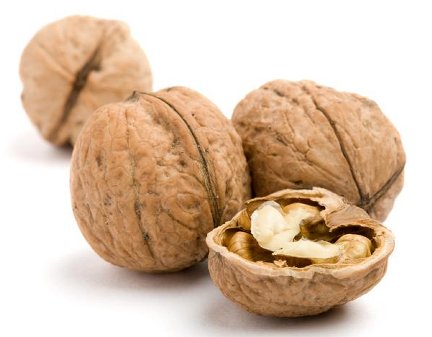
6. Walnuts
Plant omega-3 fatty acids; vitamin E; magnesium; folate; fiber; heart-favorable mono- and polyunsaturated fats; phytosterols.
Walnuts add flavorful crunch to salads, pastas, cookies, muffins, even pancakes.
 7. Red wine
Catechins and reservatrol (flavonoids).
Toast your good health! A glass of red wine could improve “good” HDL cholesterol.

8. Tuna
Omega-3 fatty acids; folate; niacin.
Here’s lunch: Salad greens, fresh fruit, canned tuna. Keep “Salad Spritzer” – a light dressing — in your office fridge.
 9. Tofu
Niacin; folate; calcium; magnesium; potassium.
Tasty tofu is easy: Thinly slice “firm” tofu, marinate several hours, grill or stir-fry.

10. Brown rice
B-complex vitamins; fiber; niacin; magnesium, fiber.
Microwavable brown rice makes a quick lunch. Stir in a few chopped veggies (broccoli, carrots, spinach).
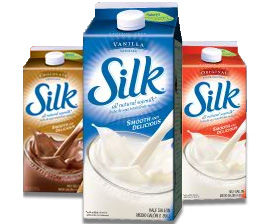 11. Soy milk
Isoflavones (a flavonoid); B-complex vitamins; niacin; folate, calcium; magnesium; potassium; phytoestrogens.
Soy milk is great over oatmeal or whole-grain cereal. Or, make a smoothie with soy milk.

12. Blueberries
Beta-carotene and lutein (carotenoids); anthocyanin (a flavonoid); ellagic acid (a polyphenol); vitamin C; folate; calcium, magnesium; potassium; fiber.
Cranberries, strawberries, raspberries are potent, too — for trail mixes, muffins, salads!
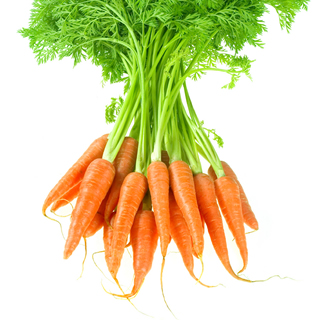 13. Carrots
Alpha-carotene (a carotenoid); fiber.
Baby carrots are sweet for lunch. Sneak shredded carrots into spaghetti sauce or muffin batter.
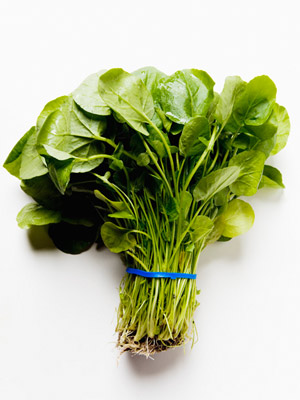
14. Spinach
Lutein (a carotenoid); B-complex vitamins; folate; magnesium; potassium; calcium; fiber.
Pick spinach (not lettuce) for nutrient-packed salads and sandwiches.
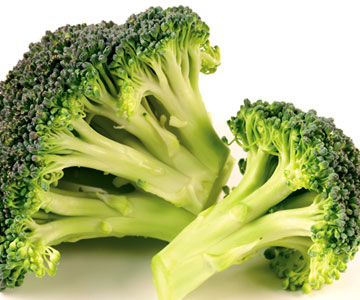 15. Broccoli
Beta-carotene (a carotenoid); Vitamins C and E; potassium; folate; calcium; fiber.
Chop fresh broccoli into store-bought soup. For a veggie dip, try hummus (chickpeas).

16. Sweet potato
Beta-carotene (a carotenoid); vitamins A, C, E; fiber.
Microwave in a zip-lock baggie for lunch. Eat au naturale, or with pineapple bits.
 17. Red bell peppers
Beta-carotene and lutein (carotenoids); B-complex vitamins; folate; potassium; fiber.
Rub with olive oil, and grill or oven-roast until tender. Delicious in wraps, salads, sandwiches.

18. Asparagus
Beta-carotene and lutein (carotenoids); B-complex vitamins; folate; fiber.
Grill or steam slightly, then dress with olive oil and lemon. It’s a pretty side dish.
 19. Oranges
Beta-cryptoxanthin, beta- and alpha-carotene, lutein (carotenoids) and flavones (flavonoids); vitamin C; potassium; folate; fiber.
Got orange juice? Check out the new nutrient-packed blends.
20. Tomatoes
Beta- and alpha-carotene, lycopene, lutein (carotenoids); vitamin C; potassium; folate; fiber.
For a flavor twist, try oil-packed tomatoes in sandwiches, salads, pastas, pizzas.
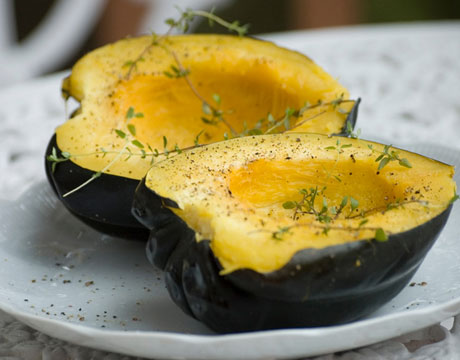 21. Acorn squash
Beta-carotene and lutein (carotenoids); B-complex and C vitamins; folate; calcium; magnesium; potassium; fiber.
Baked squash is comfort food on a chilly day. Serve with sautéed spinach, pine nuts, raisins.

22. Cantaloupe
Alpha- and beta-carotene and lutein (carotenoids); B-complex and C vitamins; folate; potassium; fiber.
A fragrant ripe cantaloupe is perfect for breakfast, lunch, potluck dinners. Simply cut and enjoy!
 23. Papaya
Beta-carotene, beta-cryptoxanthin, lutein (carotenoids); Vitamins C and E; folate; calcium; magnesium; potassium.
Serve papaya salsa with salmon: Mix papaya, pineapple, scallions, garlic, fresh lime juice, salt and black pepper.

24. Dark chocolate
Reservatrol and cocoa phenols (flavonoids).
A truffle a day lowers blood pressure, but choose 70% or higher cocoa content.
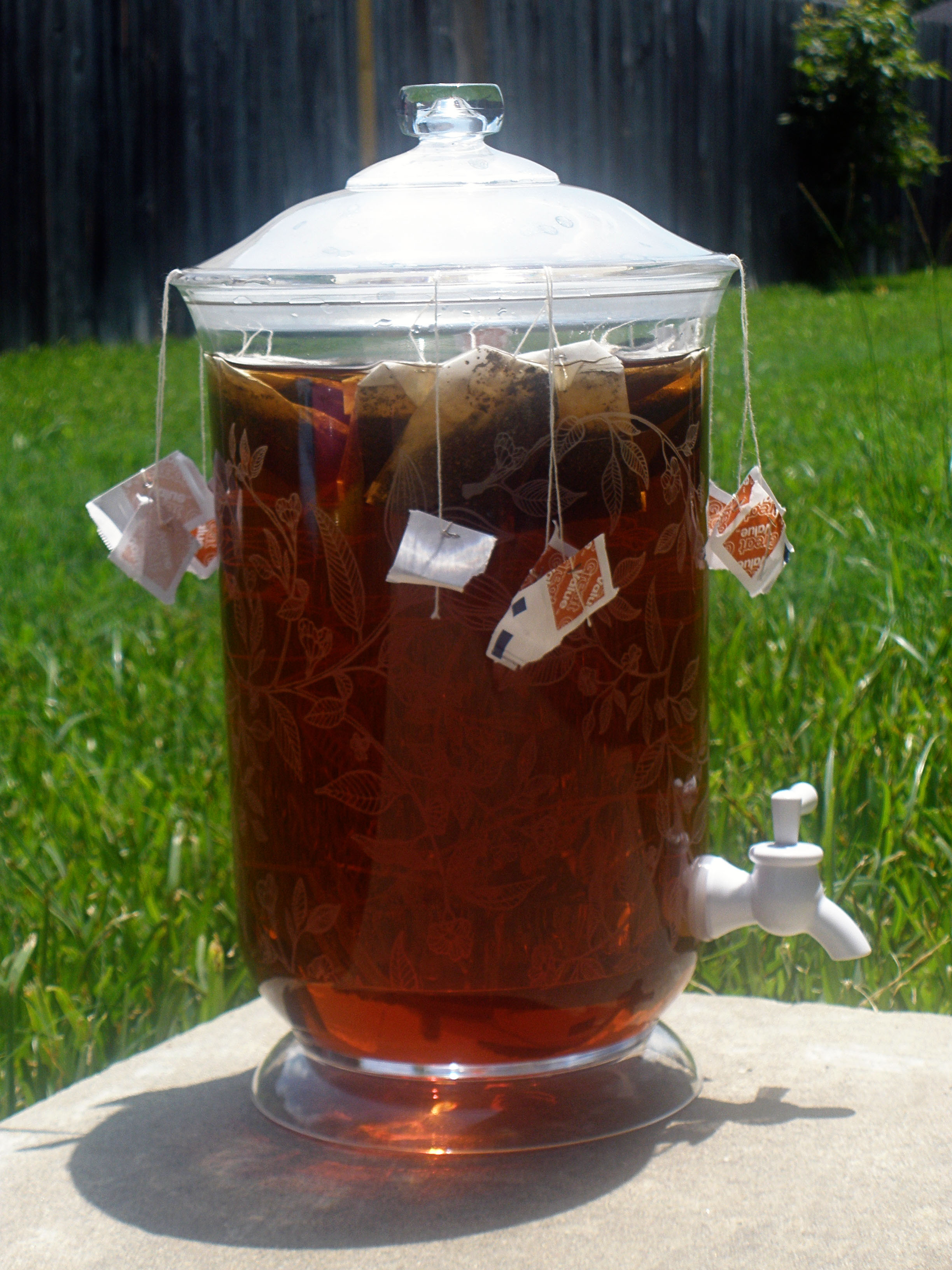 25. Tea
Catechins and flavonols (flavonoids).
Make sun tea: Combine a clear glass jar, several tea bags, and hours of sunshine.
Your Guide to Nutrients in Heart-Healthy Foods
Phytoestrogensare substances in plants (like flaxseed) that have a weak estrogen-like action in the body. Studies suggest that flaxseed lowers the risk of blood clots, stroke, and cardiac arrhythmias. It may also help lower total and LDL “bad” cholesterol and triglycerides, and even blood pressure.
Phytosterols are plant sterols that chemically resemble cholesterol — and seem to reduce blood cholesterol. All nuts and seeds, including wheat germ, have phytosterols.
Carotenoids are heart-protective antioxidants in many colorful fruits and veggies. Alpha-carotene, beta-carotene, lutein, and lycopene are carotenoids.
Polyphenols are another set of antioxidants that protect blood vessels, lower blood pressure, reduce LDL “bad” cholesterol. Flavonoid polyphenols include catechins, flavonones, flavonols, isoflavones, reservatrol, and anthocyanins. Non-flavonoid polyphenols include ellagic acid (found in all types of berries).
Omega-3 fatty acids (found in fatty fish like salmon) and alpha-linolenic fatty acids (found in plant foods like walnuts) help boost the immune system, reduce blood clots, and protect against heart attacks. They also increase good HDL levels, lower triglyceride levels, protect arteries from plaque buildup, are anti-inflammatories, and lower blood pressure.
B-complex vitamins — like Vitamin B-12 (folate) and vitamin B-6 — protect against blood clots and atherosclerosis, or hardening of the arteries. Niacin (vitamin B-3) helps increase HDL “good” cholesterol.
Vitamins C and E are antioxidants that protect cells from free radical damage. Magnesium, potassium, and calcium help lower blood pressure. Fiber-rich foods help lower cholesterol levels.
Source: webmd.com

Greek Tomato Salad
Adapted from a version by chef Gavin Kaysen, Emily says that she made this salad for her friend Linda Lou, who is Greek and is notorious for stealing olives out of unsuspecting martinis. “She loved it, so I consider it to have the official Greek stamp of approval.”
INGREDIENTS
- 2 cups feta cheese
- 2-3 pounds assorted heirloom tomatoes, cut in quarters or wedges
- 2/3 cup pitted kalamata olives
- 1/4 red onion, sliced as thinly as possible
- Sea salt and pepper
- Extra-virgin olive oil
- Fresh chopped oregano
INSTRUCTIONS
Put the feta in a bowl and add a little bit of cream at a time, whisking with a fork, until the cheese becomes creamy and smooth. Spread ¼ of the cheese onto the center of plate. Top with ¼ of the tomatoes, onions, and olives and season a bit with salt and pepper. Drizzle with olive oil and garnish with the chopped oregano. Repeat on 4 more plates and serve.
Source: thedailymeal.com

Spaghetti Salad

Let me tell you a quick story: I remember the very first time I saw this dish. We were over my cousin’s house for a family gathering and there it was; sitting on the table with the other delectable delights. Now to be honest at first sight I squenched up my face and whispered to my husband. “I’m not eating none of that. Looks like someone didn’t use enough spaghetti sauce.” Hence the reddish-orange color. So in comes my cousin into the kitchen who was hosting the gathering. She was like “Girl you have to try this new spaghetti dish I made. It’s to die for.” All while she was piling up my plate with this stuff I just told my husband I was not going to eat. What am I suppose to do now? She is looking me dead in my mouth. Waiting to see what I thought of this concoction of noodles and red stuff. I smiled and amused her curiosity with a little nibble. And to my surprise it was good. I’m mean Really, Really Good. So much so I asked for the recipe. Boy am I glad that I took a bite. I would have missed out on real treat. Like the saying goes, “Never judge a book by its cover.”
Ingredients
- 1 lb spaghetti, cooked
- 1 green pepper, diced
- 1 large tomato or 3 Roma tomatoes, diced
- 1 cucumber, diced
- 1 medium onion, diced
- 1 cup Grated Parmesan Cheese – Store bought powdered version works best
- 1 (8 oz) bottle of Zesty Italian Dressing
- 2 tablespoons McCormick Salad Supreme Seasoning
Instructions
1. Wash all veggies. Dice and set aside.
2. In a large pot bring salted water to a boil. Then cook the spaghetti according to the package instructions. Drain the pasta and then immediately run it under cold water.
3. In a large bowl combine all of the vegetables, salad dressing and salad supreme seasoning. Next toss noodles in dressing mixture until well coated. Lastly sprinkle in parmesan cheese and give one good final toss.
4. Cover with plastic wrap and chill overnight. Serve the next day and enjoy!

Porter House Greek Salad
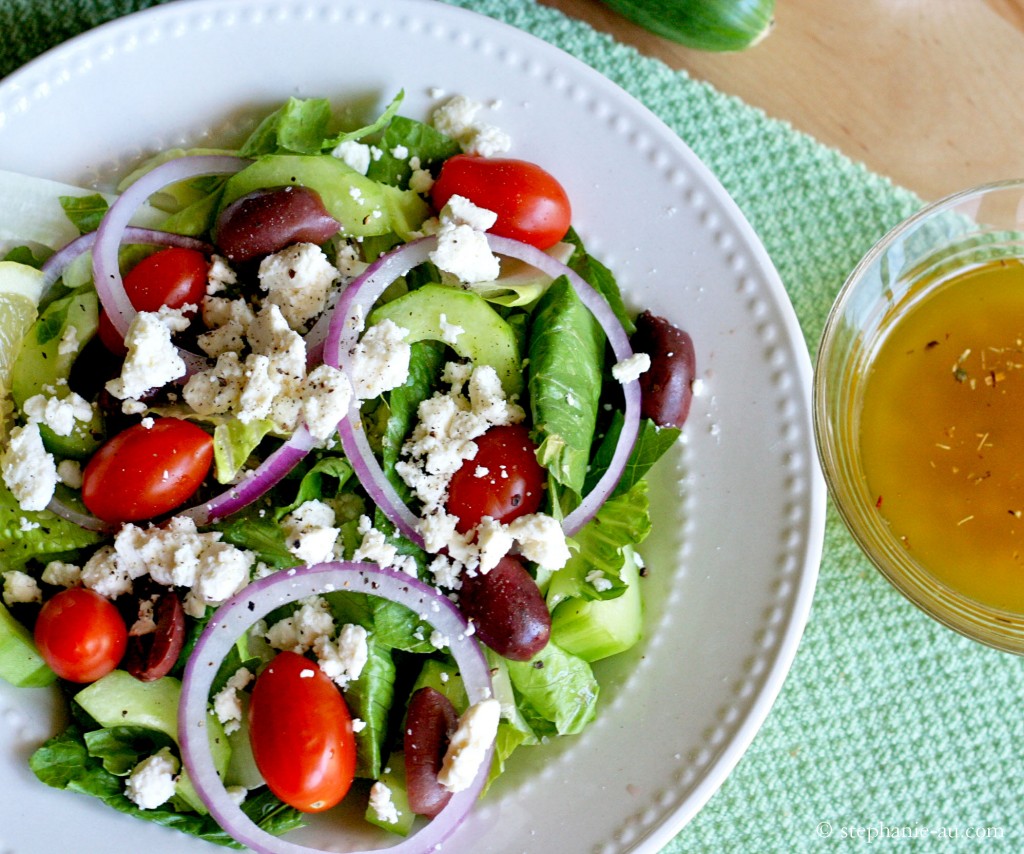
INGREDIENTS
For the Salad:
Romaine Lettuce
Kalamata olives
Grape tomatoes
Red onion, thinly sliced
Cucumber, sliced and seeded
Feta cheese
Sea salt and fresh cracked pepper
For the Lemon Garlic Dressing:
6 Tablespoons of olive oil
Juice of 1/2 lemon
2 garlic cloves, finely minced
2 Teaspoons red wine vinegar
1 Teaspoon dried oregano
Salt and pepper
INSTRUCTIONS
1. For the salad: Wash lettuce,tomatoes and cucumber well (make sure you spin-dry the lettuce when finished). Peel and slice 1/2 of a cucumber, set aside. In a bowl combine and toss all the veggies; set aside
2. For the dressing: Whisk the olive oil, lemon juice and red wine vinegar together. Then add the minced garlic and oregano. Once the mixture is fully incorporated, add salt and pepper to taste. Mix well again, and refrigerate for at least 20 minutes.
3. Toss salad with prepared dressing and garnish with fresh feta cheese. Salt and pepper to taste.
*CHEF’S TIP – If you are not the proud owner of a salad spinner place freshly washed lettuce in a clean towel. Spin towel around in a circular motion for about a minute or so. Viola! Instant spin-dried lettuce.

Cheesy Garlic Bread

Every since I was knee-high to a grass hopper one of my favorite things to eat was buttered toast. I would have it for breakfast, sometimes as an after school snack while I watched School House Rock & Scooby Doo … And if I really wanted to jazz it up I would add some good ole’ government cheese on top … Man, Those where the times (LOL) … Now-a-days my diet has changed and I tend to be more watchful of what I eat. But then there are those times when I just crave something that is just plain wrong and all the way fattening … Besides, who said you can’t indulge every now and then?
INGREDIENTS
1 loaf of crusty bread, French or Italian
1 cup Butter, softened
1 cup Asiago cheese, grated
1 cup Monterrey Jack cheese, grated
1/2 cup Parmesan cheese, grated
1 cup mayonnaise
1/2 bunch green onions, white parts removed, finely chopped
4 cloves garlic, minced
INSTRUCTIONS
1. Preheat oven to 350 degrees.
2. Mix butter, cheeses, green onions, garlic and mayonnaise in a small bowl and set aside.
3. Cut the loaf of bread in half. Spread the prepared cheese mixture on each half of bread, and bake at 350 degrees for 8-10 minutes, or until cheese is bubbly and brown.
4. Cut into slices & serve.

Infused “Spa” Water

For years, top spas from around the world have touted the amazing health benefits of healthy hydration and strived to create healthier more delicious and aesthetically appealing fruit, herb and floral infused waters to pamper their guests. These naturally infused vitamin waters not only replenish and enhance relaxation but are also beautiful and refreshing!
So do you want to give your home spa the finishing touch? Want to calm yourself in a sip? Or maybe you just need a more interesting way to get the recommended 8 glasses a day. Whatever your motive, infused “spa” water is perfect for this purpose. It’s healthy, tasty, inexpensive, and refreshing too. Try some, your body will thank you!
Infused “Spa” Water FAQ
What size containers do you use?
For an individual serving use a 28 oz ball or mason jar. Try to drink two of mason jars a day to make sure you are properly hydrated. Using measurable containers helps to regulate how much water you are drinking, plus they are cheap and convenient. Want to make a batch for the whole family? Go ahead, knock yourself out and make a pitcher full.
How long should I infuse the water?
Each water recipe is different, but a good rule of thumb is to infuse for at least four hours to get the most flavor. The best way is to infuse waters overnight in the refridgerator.
 Can I leave the infused “spa” water out overnight?
Absolutely. Would you be worried if you left a lemon or some raspberries out overnight at room temperature? Probably not. Fruit immersed in water will not change its chemical structure or cause bacteria to grow.
Is it important to use organic fruit and herbs?
If you are infusing fruit with the rind on, such as lemon slices, you should use organic fruit. Otherwise, you could potentially be drinking pesticides – gross! If you don’t have access to organic produce, simply cut the rinds off.
Is there any nutritional value to infused waters?
Yup. Nutrients leak out of the fruit into the water. You don’t get as many vitamins as you would if you were drinking fruit juice, but you don’t get the extra calories or fructose either.
How To Make Infused “Spa” Water
1. Decide what type of spa water you want- here are the main types, but feel free to improvise.
- Lemon Water: Pure, fresh water with crisp lemon slices and maybe a dash of sugar. Best as a healthy alternative to lemonade, or to relax and perk up after a hard day.
- Orange and Lime Water: Clean, mineral enhanced water with a few small slices of lime and orange alternating. Best for spa treatments.
- Cucumber Water: Clean, pure water with 3-6, depending on pitcher size, large cucumber slices. Best after working out. Also, if you’re a kid, a less embarrassing way to get your vegetables.
- Peach Water: Just plain yummy! Peach slices in clean water. Also good in seltzer, these are good for parties (spa night, anyone?)
2. Gather your ingredients.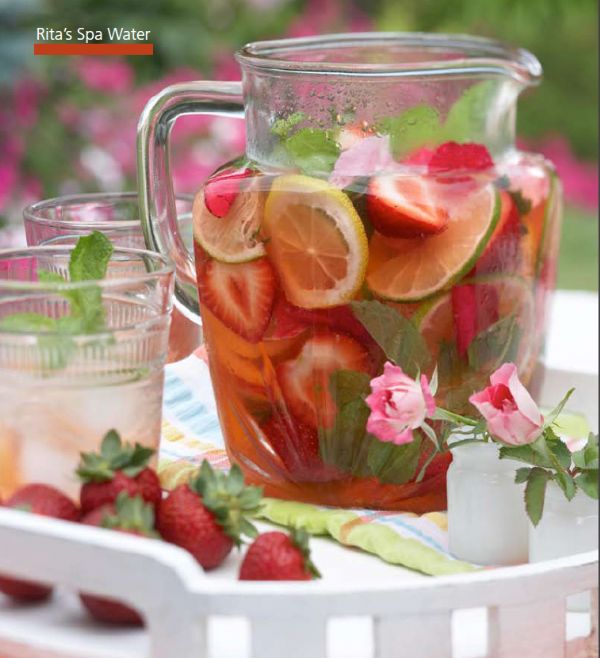
3. Fill a pitcher with cool water, and add a few ice cubes if desired.
4. Slice chosen fruit(s) into desired size- this varies depending on the size of the container you are using. Be careful not to put in too many or too large slices- this will cause the water to be overpowering, and make it seem pulpy and more like juice. Which you don’t want. Spa water should hint at the taste of said fruit, not completely give it.
5. Put the slices into the container(s), shake a little, and wait a few hours or overnight for the taste to set in.
6. Pour a little into a glass and sample it. There should be little to no pulp, just a hint of flavor, and you should feel refreshed
Source(s):

Becoming A Vegetarian

Why Do People Become Vegetarians?
For much of the world, vegetarianism is largely a matter of economics: Meat costs a lot more than, say, beans or rice, so meat becomes a special-occasion dish (if it’s eaten at all). Even where meat is more plentiful, it’s still used in moderation, often providing a side note to a meal rather than taking center stage.
In countries like the United States where meat is not as expensive, though, people often choose to be vegetarians for reasons other than cost. Parental preferences, religious or other beliefs, and health issues are among the most common reasons for choosing to be a vegetarian. Many people choose a vegetarian diet out of concern over animal rights or the environment. And lots of people have more than one reason for choosing vegetarianism.
Types Of Vegetarians
One thing that many people don’t realize or understand is that there are different types of vegetarians. Each individual vegetarian has his or her own personal reasons for choosing their diet, and these reasons determine exactly what foods they eliminate. Although a few different reasons and motivations are described in the Why? section, below is just a brief definition of some types of vegetarians.
- Total Vegetarians eat only plant food. They do not eat any animal foods, including fish, eggs, dairy products, and honey.
- Vegans not only omit all animal products from their diets, but they also eliminate them from the rest of their life. Vegans use nothing from animals, such as leather, wool, and silk.
- Lacto-Vegetarians will include dairy products into their diet of plant food.
- Lacto-Ovo-Vegetarians eat both eggs and dairy products.
- Pesco-Vegetarians include fish into their diets.
- Pollo-Vegetarians eat poultry, such as chicken, turkey, and duck.
- Pollo-Pesco Vegetarians which includes poultry and fish, or “white meat” only.
- Macrobiotic diet consist mostly of whole grains and beans.
Is A Vegetarian Diet OK?
In the past, choosing not to eat meat or animal-based foods was considered unusual in the United States. Times and attitudes have changed dramatically, however. Vegetarians are still a minority in the United States, but a large and growing one. The American Dietetic Association (ADA) has officially endorsed vegetarianism, stating “appropriately planned vegetarian diets, including total vegetarian or vegan diets, are healthful, nutritionally adequate, and may provide health benefits in the prevention and treatment of certain diseases.”
So what does this mean for you? If you’re already a vegetarian, or are thinking of becoming one, you’re in good company. There are more choices in the supermarket than ever before, and an increasing number of restaurants and schools are providing vegetarian options — way beyond a basic peanut butter and jelly sandwich.
If you’re choosing a vegetarian diet, the most important thing you can do is to educate yourself. That’s why the ADA says that a vegetarian diet needs to be “appropriately planned.” Simply dropping certain foods from your diet isn’t the way to go if you’re interested in maintaining good health, a high energy level, and strong muscles and bones.
Vegetarians have to be careful to include the following key nutrients that may be lacking in a vegetarian diet:
- iron
- calcium
- protein
- vitamin D
- vitamin B12
- zinc
If meat, fish, dairy products, and/or eggs are not going to be part of your diet, you’ll need to know how to get enough of these nutrients, or you may need to take a daily multiple vitamin and mineral supplement.
Iron
Sea vegetables like nori, wakame, and dulse are very high in iron. Less exotic but still good options are iron-fortified breakfast cereals, legumes (chickpeas, lentils, and baked beans), soybeans and tofu, dried fruit (raisins and figs), pumpkin seeds, broccoli, and blackstrap molasses. Eating these foods along with a food high in vitamin C (citrus fruits and juices, tomatoes, and broccoli) will help you to absorb the iron better.
Girls need to be particularly concerned about getting adequate iron because some iron is lost during menstruation. Some girls who are vegetarians may not get adequate iron from vegetable sources and they may require a daily supplement. Check with your doctor about your own iron needs.
Calcium
Milk and yogurt are tops if you’re eating dairy products — although vegetarians will want to look for yogurt that does not contain the meat byproduct gelatin. Tofu, fortified soy milk, calcium-fortified orange juice, green leafy vegetables, and dried figs are also excellent ways for vegetarians (and vegans) to get calcium. If you are a teen you’re building up your bones for the rest of your life.
Because women have a greater risk for getting osteoporosis (weak bones) as adults, it’s particularly important for girls to make sure they get enough calcium. Again, taking a supplement may be necessary to ensure this.
 Vitamin D
We need vitamin D to get calcium into our bones. Your body manufactures vitamin D when your skin is exposed to sunlight. Cow’s milk is top on the list for food sources of this vitamin. Vegans can try fortified soy milk and fortified breakfast cereals.
Some people may need a supplement that includes vitamin D, especially during the winter months. Everyone should have some exposure to the sun to help the body produce vitamin D.
Protein
Before, it was thought that vegetarians needed to combine incomplete plant proteins in one meal — like red beans and rice — to make the type of complete proteins found in meat. We now know that it’s not that complicated. Current recommendations are that vegetarians eat a wide variety of foods during the course of a day.
Eggs and dairy products are good sources of protein, but also try nuts, peanut butter, tofu, beans, seeds, soy milk, grains, cereals, and vegetables to get all the protein your body needs.
Vitamin B12
B12 is an essential vitamin found only in animal products, including eggs and dairy. Fortified soy milk and fortified breakfast cereals also have this important vitamin. It’s hard to get enough vitamin B12 in your diet if you are vegan, so a supplement may be needed.
Zinc
If you’re not eating dairy foods, make sure fortified cereals, dried beans, nuts, and soy products like tofu and tempeh are part of your diet so you can meet your daily requirement for this important mineral.
Fat, Calories, and Fiber
In addition to vitamins and minerals, vegetarians need to keep an eye on their total intake of calories and fat. Vegetarian diets tend to be high in fiber and low in fat and calories. That may be good for people who need to lose weight or lower their cholesterol but it can be a problem for kids and teens who are still growing and people who are already at a healthy weight.
Some vegetarians (especially vegans) may not get enough omega-3 fatty acids. Omega-3 fats are good for heart health and are found in fish and eggs. Some products, such as soy milk and breakfast bars, are fortified with docosahexaenoic acid (DHA), an omega-3 fatty acid.
High-fiber diets tend to be more filling, and as a result strict vegetarians may feel full before they’ve eaten enough calories to keep their bodies healthy and strong. It’s a good idea to let your doctor know that you’re a vegetarian so that he or she can keep on eye on your growth and make sure you’re still getting adequate amounts of calories and fat.
Getting Some Guidance
If you’re thinking about becoming a vegetarian, consider making an appointment to talk with a registered dietitian who can go over lists of foods that would give you the nutrients you need. A dietitian can discuss ways to prevent conditions such as iron-deficiency anemia that you might be at an increased risk for if you stop eating meat.
Also, remember to take a daily standard multivitamin, just in case you miss getting enough vitamins or minerals that day.

Tips for Dining Out
Eating at restaurants can be difficult for vegetarians sometimes, but if you do eat fish, you can usually find something suitable on the menu. If not, opt for salad and an appetizer or two — or ask if the meat can be removed. Even fast-food places sometimes have vegetarian choices, such as bean tacos and burritos, veggie burgers, and soy cheese pizza.
Vegetarians can opt for pasta, along with plenty of vegetables, grains, and fruits. You may also find that the veggie burgers, hot dogs, and chicken substitutes available in your local grocery store taste very much like the real thing. Try the ground meat substitute as a stand-in for beef in foods like tacos and spaghetti sauce.
Regardless of whether you choose a vegetarian way of life, it’s always a healthy idea to eat a wide variety of foods and try out new foods when you can.
Famous Vegetarians
All of these actors, musicians, writers, scientists, and artists have maintained a vegetarian diet. Although probably all would testify of reaping many physical benefits, some even contribute their creativity and clear thinking to their healthy eating style.
 Paul Newman Paul McCartney Bob Dylan John Denver
“Chubby” Checker Gladys KnightThe B-52’s Leonardo da Vinci
Leo Tolstoy Sir Issac Newton Ralph Waldo Emerson Upton Sinclair
Charles Darwin Ghandi Henry David Thoreau Socrates
*NOTE: All information on Becoming A Vegetarian is for educational purposes only.
For specific medical advice, diagnoses, and treatment, consult your doctor.
© 1995-2012 The Nemours Foundation. All rights reserved.

Porter House Italian Salad
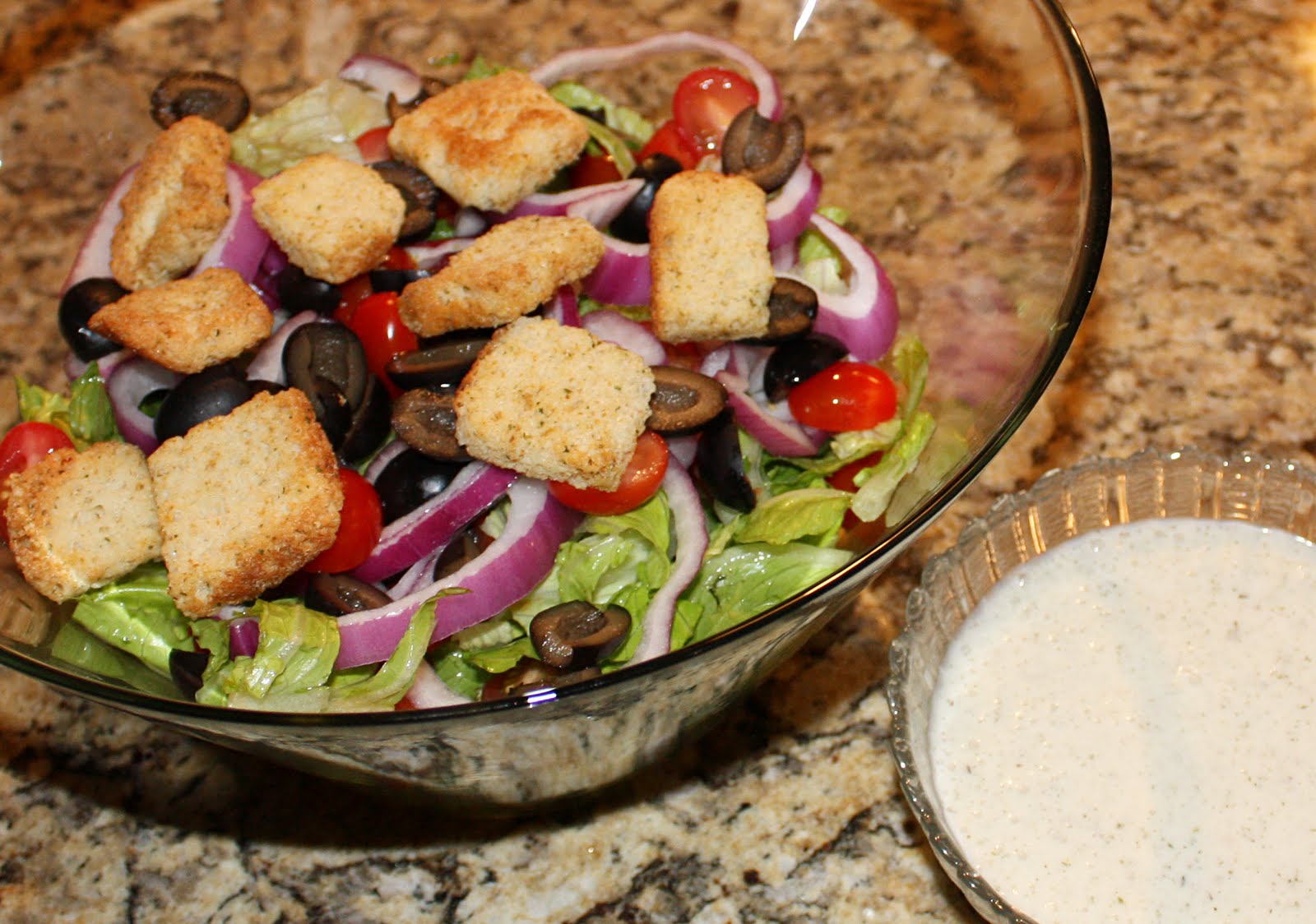
Who doesn’t love the Olive Garden? Not anybody I know. Any time we get the chance to go there it is one thing in particular we REALLY look forward to. That lovely bowl of fresh salad and warm garlic breadsticks. Oh I can just taste it now. That’s why I googled the recipe until I found a close replica that I could make at home. May not be exact but it’s pretty darn close. Divertiti! (Enjoy!)
Ingredients
Salad:
1 large head romaine lettuce
slices red onion
black olives
4-6 banana peppers
2 small tomatoes, quartered (I actually used grape tomatoes, cut in half)
½ c. croutons
freshly grated Parmesan cheese
Salad Dressing:
½ c. mayonnaise
1/3 c. white vinegar
1 tsp vegetable oil
2 Tb. corn syrup
2 Tb. Parmesan cheese
2 Tb. Romano cheese
¼ tsp garlic salt – or one clove garlic, minced
½ tsp Italian seasoning
½ tsp parsley flakes
1 Tb. lemon juice
1 tsp white sugar
Instructions
Mix all dressing ingredients in a blender until well mixed. If this is a little too tart for your own personal tastes, add a little extra sugar, but don’t overdo it!
Chill one salad bowl in freezer for at least 30 minutes. Put lettuce in bowl. Place on top of lettuce red onions, black olives, banana peppers, tomatoes, and croutons. Add some freshly grated Parmesan cheese if you like, and add plenty of Salad Dressing on top
* CHEF’S NOTE – Using fat-free mayo and light corn syrup, this dressing is only 34 calories for 2 tbs of dressing!
Source: Vittles Divine

Butterscotch Oatmeal
So I grew up on the stuff that came in a little package that you simply add water to. That was until I met my husband; who introduced me to the old school way of oatmeal. I tried it once and have never looked back. It is So Simple, So Good; Not to mention So Good For You. No more instant for me. I want the real deal.
Ingredients
1 3/4 cups milk
1/2 cup packed brown sugar
1 egg, lightly beaten
1 cup quick-cooking oats
1 tablespoon butter or margarine
Instructions
In a saucepan over medium heat, combine milk, brown sugar and egg. Cook, stirring constantly, for 5-7 minutes or until mixture boils. Add oats; cook and stir for 1 more minute. Remove from the heat. Add butter; cover and let stand for 3-5 minutes. For garnish sprinkle some extra brown sugar on top.
* Chef’s Note – For an extra touch garnish with your favorite fruit like sliced bananas or blueberries.


 I Am Lady Fab