Blog Archives

7 Foods You Should Never Eat
Written by Lacy Boggs Renner
Sometimes, even foods that seem healthy can harbor hidden problems that can affect our health and our planet. Here are seven foods you should never eat—and easy swaps to help eliminate them from your kitchen.
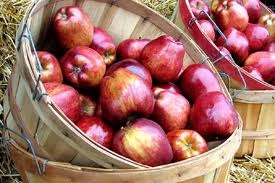 1. Conventional Apples
Right at the top of the “dirty dozen” list, conventional apples are sprayed with the most pesticides of almost any fruit because their growing method means they don’t develop natural pest resistance. Farm workers exposed to these pesticides have documented higher incidents of cancer, and more and more studies are linking pesticides in the body to Parkinson’s disease.
Make the switch: Buy organic apples! If you can’t afford organic, be sure to wash and peel apples before eating (although that won’t rid the fruit of all pesticides).
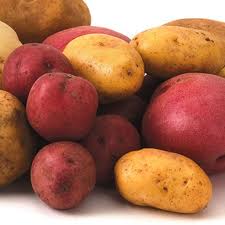
2. Conventionally Grown Potatoes
Think about it: A potato is a root vegetable, and plants absorb nutrients—and other junk—from the soil through their roots. That means that potatoes take up and store more of the chemical fertilizers, fungicides and pesticides that conventional farmers spray on their crops. Plus, after they are harvested, conventional potatoes are treated with another chemical to prevent them from sprouting on the shelf. Because the potato stores these toxins in its flesh, just scrubbing (or even peeling) won’t remove the pesticides and other chemicals.
Make the swap: Buy organic potatoes—even frozen ones.
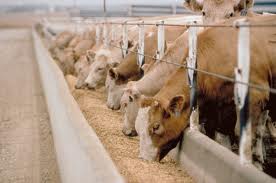 3. Corn-Fed Beef
The biggest problems with corn-fed beef start with the corn, because cows evolved to eat grasses, not grains. Eating corn actually makes the cattle sick, requiring that farmers dose them with high levels of antibiotics. But feeding corn to cows isn’t just bad for the cows; it’s bad for the environment, too, as conventionally grown corn requires tons of fertilizers and pesticides that pollute the environment.
Make the swap: Buy grass-fed beef instead of corn-fed and enjoy higher levels of good nutrients like omega-3s and vitamin E, and lower levels of bad stuff like inflammatory omega-6s and saturated fat. Look for cheaper cuts on the bone to help offset the premium price for grass-fed beef.

4. Canned Tomatoes
Tomatoes are a great source of lycopene, which can help guard against agressive cancers like prostate cancer. But the resin used to line tin cans to protect from corrosion by the acid in tomatoes contains bisphenol-A, or BPA, which acts as a synthetic estrogen in the body. It can disrupt the endocrine system and cause a variety of problems, like chromosomal and reproductive system abnormalities, impaired brain and neurological functions, cancer, cardiovascular system damage, adult-onset diabetes, early puberty, obesity and resistance to chemotherapy. Unfortunately, the acidity of tomatoes helps break down the BPA which leaches into the food, making canned tomatoes one of the biggest culprits when it comes to ingesting BPA. Scientists with the National Institutes of Health have concluded that pregnant women, infants and children are at highest risk from exposure to BPA.
Make the swap: The best solution is to look for brands sold in glass jars or Tetra Pak boxes.
 5. Microwave Popcorn
Did you hear about the guy who got popcorn lung from eating more than two bags of microwave popcorn a day? It turns out that even if your popcorn habit isn’t quite as extreme, chemicals like perfluorooctanoic acid (PFOA) found in the lining of the bag and diacetyl, which is used in the butter flavoring, could cause major health problems. Microwaving these chemicals causes them to vaporize, and then the miniature particles can make their way into your popcorn and your lungs if you inhale the steam from the bag.
Make the swap: Pop your own kernels the old fashioned way. You’ll be able to add your own natural seasonings, and as a bonus, unpopped popcorn kernels are dirt cheap.

6. Milk With rBGH
rBGH stands for recombinant bovine growth hormone, and it’s given to dairy cows to boost their milk production. But, it’s been shown to increase udder infections and even lead to pus in the milk! It also increases a hormone called insulin-like growth factor, which is thought to be linked to an increased risk for breast cancer, prostate cancer, colon cancer and early puberty.
Make the switch: Look for milk that says rBGH-free or rBST-free, or buy organic milk. You can also make the switch to a non-dairy milk.
 7. Farmed Salmon
When we think of factory farming, cows or maybe chickens tend to come to mind. But, it turns out farmed salmon live in similarly horrible conditions. In addition to overcrowding, farm salmon are fed a diet of soy, poultry litter (which means chicken poop) and hydrolyzed chicken feathers. They also have been found to be contaminated with all kinds of chemicals—which probably are run off into the pools where they are farmed. Plus, waste from the salmon pens is released directly into the open ocean. The Environmental Defense Fund lists farmed salmon as an eco-worst choice.
Make the swap: Look for wild-caught Alaskan salmon. The brand Wild Catch is almost the only brand which sells canned wild salmon.
Source: © 2010 OrganicAuthority, LLC

6 Drinks That Shrink Your Belly
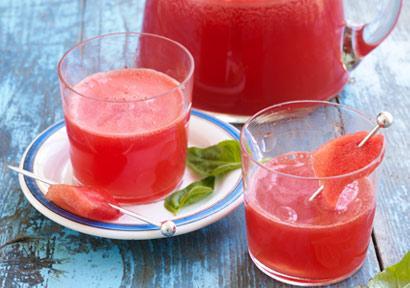
That ice-cold lemonade may hit the spot on a 90-degree day, but it’s not doing your waistline any favors. A 20-ounce Minute Maid Lemonade contains 250 calories and 68 g of sugar. Fortunately, there are plenty of refreshing summer drinks that you can drink without guilt—and they may actually help you lose weight. Here are six ways to quench your thirst without packing on pounds.
1. Flavored Water : Staying hydrated is important when you’re trying to lose weight. Drinking plenty of water helps your body maintain proper fluid balance, stops water retention (a big cause of bloated bellies), and even increases the feeling of fullness so you eat less overall. But if plain water bores you, spruce it up with fresh herbs, citrus fruits, and other low-cal flavor enhancers (sliced cucumbers work well too) to encourage you to drink up.

Herb-Infused Spa Water
Ingredients
- 6 cups chilled still spring or mineral water
- 12 thin slices cucumber
- 4 thin slices lemon
- 4 sprigs (each 2 in. long) fresh mint, slightly crushed
- 2 sprigs (each 2 in. long) fresh rosemary, slightly crushed
Instructions
In a 2- to 2 1/2-quart pitcher, combine water, cucumber, lemon, mint, and rosemary. Serve, or cover and chill at least 2 hours or up to 8 hours. Add ice cubes just before serving.
2. Watermelon Smoothie: As long as they’re made without sugary mixers like sherbet, smoothies are a guilt-free way to hydrate—and watermelon is a terrific, low-cal smoothie base. Not only is it a natural hydrator because of its water content, watermelon is also loaded with nutrients, including cancer-fighting lycopene, as well as an amino acid known as arginine. A study in the Journal of Nutrition found that arginine can decrease body fat and increase lean muscle mass, so whip up this 56-calorie metabolism booster and sip away!
 Strawberry & Watermelon Smoothie
Ingredients
- 4 cups cubed, seeded watermelon
- 1 – 8 ounce lemon, fat-free yogurt
- 1 pint fresh strawberries, cleaned and hulled
- 1 tablespoon honey
- 5 ice cubes
Instructions
In a blender or food processor, combine yogurt, watermelon, strawberries, honey and ice cubes.
3. Iced Peppermint Tea: This minty thirst quencher is super refreshing on a hot summer day, but it’s also a super-effective belly flattener. Peppermint helps your stomach process fat, ensuring even high-fat foods like burgers and steaks are digested quickly, which helps prevent bloat.
Easiest Peppermint Iced Tea
Ingredients
- 4 peppermint tea bags
- 1/4 cup honey
- 2 tablespoons lemon juice
- lemon slice (optional)
Instructions
1. In a 2 quart heatproof pitcher, pour two cups of boiling water over the tea bags.
2. Steep them for 6 minutes and then remove the tea bags.
3. Stir the honey and lemon juice into the hot tea and then add 2 cups cold water.
4. Chill and serve over ice with or without a lemon slice garnish.
5. Chill out and enjoy!
4. Pineapple Frappe: This blended pineapple drink tastes like a beach vacation in a glass—and it packs in two belly-flattening ingredients. A tablespoon of flaxseed oil adds monounsaturated fatty acids (MUFAs), proven belly flatteners, and pineapple itself contains bromelain, an enzyme that helps break down protein, ease digestion, and banish bloat.
 Pineapple and Mint Frappe
Ingredients
- 1 pineapple, peeled, chopped
- 1/4 cup mint leaves
- 12 ice cubes
- mint sprigs, to serve
Instructions
Place pineapple, mint and ice in a blender. Blend until smooth. Pour into glasses. Top with mint sprigs. Serve.
5. Green Tea: Besides reducing your risk of cancer and heart disease, green tea benefits the whole body and contains catechins, antioxidants that studies show can help reduce belly fat. If you sip green tea before a workout, these compounds can also increase your fat burn during aerobic exercise.
Citrus-Honey Green Tea
Ingredients
- 1 (2 inch) piece lemon zest, cut into thin slivers
- 2 teaspoons boiling water
- 2 teaspoons green tea powder
- 3/4 cup hot water
- 1/2 cup freshly squeezed grapefruit juice
- 3 tablespoons freshly squeezed lemon juice
- 1 teaspoon honey
Instructions
Put lemon zest into a large cup or mug. Cover with 2 teaspoons boiling water and let steep for about 3 minutes. Stir in the green tea powder and hot water. Add the grapefruit juice, lemon juice and honey. Mix well and serve.
6. Dark Chocolate Shake: Really? Yes, really. Chocolate—especially the dark kind—helps you slim you down because it decreases appetite and lessens food cravings overall. However, at nearly 400 calories, this shake is more of a meal than a snack. Try it for a quick breakfast to keep your appetite tamed for hours.
 Dark Chocolate Shake
Ingredients
- 4 cups milk, soy milk, rice milk or nut milk
- 2 cups ice
- 1/3 cup honey
- 1/3 cup dark cocoa
- 1 teaspoon nama shoyu or soy sauce
- 2 teaspoons vanilla
- Dark chocolate bar with or without nuts
Instructions
1. Combine all ingredients in a blender, preferably a Vita-Mix.
2. Shave off chocolate as a garnish, and sprinkle on top of shake.
© 2010 OrganicAuthority, LLC

Gabby Douglas Gets A Makeover
fueling more ridiculous debate about her hair

Whether it was badminton teams losing matches on purpose, dubious refereeing in the fencing competition or North Korean soccer players taking the field under the wrong flag, the London Games featured plenty of controversy.
None of it is more frivolous or absurd, however, than the flap about how U.S. gymnast Gabby Douglas wears her hair.
Critics first complained that Douglas’ ponytail looked unkempt when the 16-year-old was winning gold in both the women’s team and all-around competitions. Now she’s receiving backlash for bowing to public pressure and receiving a makeover from a celebrity stylist upon returning home from London.
Before she began a week-long publicity blitz that included appearances on the Tonight Show, The Late Show and America’s Got Talent, Douglas hired New York-based stylist Ted Gibson to do her hair. Gibson, who works with Angelina Jolie and Anne Hathaway and also appears on the reality series What Not To Wear, gave Douglas a new look with a middle part and waves that fall just below her shoulders.
That Douglas has received criticism for getting a highly publicized makeover this week is almost as laughable as the response to her hairstyle during competition.
What elite athlete would be more concerned with her hair than her performance during the Olympics? And what 16-year-old girl wouldn’t want to look her best before a week’s worth of appearances on reality TV and the late-night talk show circuit?
Douglas had it exactly right last week when she brushed off her critics by telling reporters she was more focused on winning Olympic gold than looking perfect during every routine. And she’ll have it exactly right again this week if she explains she got a haircut to look her best on camera.
This is a 16-year-old girl who has handled Olympic pressure and media scrutiny with poise and grace so far. How about we stop paying so much attention to her hair and start giving her more credit for that?
Source: By Jeff Eisenberg | Fourth-Place Medal

25 Top Heart-Healthy Foods
With the help of these nutrition experts from The Cleveland Clinic and the American Dietetic Association, we’ve put together a list of the “best of the best” heart-healthy foods.
The foods listed here are all top-performers in protecting your heart and blood vessels. We’ve also got menu ideas — so you can easily bring heart-healthy foods into your daily breakfast, lunch, and dinner.
These 25 foods are loaded with heart-healthy nutrients that help protect your cardiovascular system.
 1. Salmon
Omega-3 fatty acids.
Grill salmon with a yummy rub or marinade. Save a chunk to chop for a pasta or salad later on.

2. Flaxseed (ground)
Omega-3 fatty acids; fiber, phytoestrogens.
Ground flaxseed hides easily in all sorts of foods — yogurt parfaits, morning cereal, homemade muffins, or cookies.
 3. Oatmeal
Omega-3 fatty acids; magnesium; potassium; folate; niacin; calcium; soluble fiber.
Top hot oatmeal with fresh berries. Oatmeal-and-raisin cookies are a hearty treat.

4. Black or Kidney Beans
B-complex vitamins; niacin; folate; magnesium; omega-3 fatty acids; calcium; soluble fiber.
Give soup or salad a nutrient boost — stir in some beans.
 5. Almonds
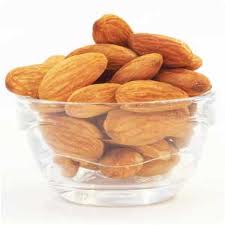
Plant omega-3 fatty acids; vitamin E; magnesium; fiber; heart-favorable mono- and polyunsaturated fats; phytosterols.
Mix a few almonds (and berries) into low-fat yogurt, trail mix, or fruit salads.
6. Walnuts
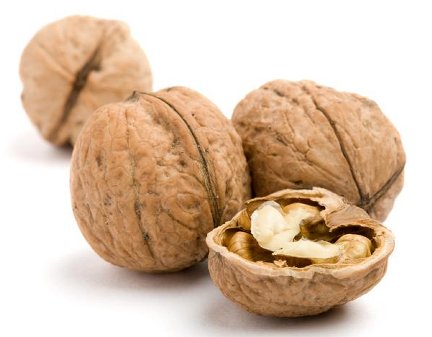
Plant omega-3 fatty acids; vitamin E; magnesium; folate; fiber; heart-favorable mono- and polyunsaturated fats; phytosterols.
Walnuts add flavorful crunch to salads, pastas, cookies, muffins, even pancakes.
 7. Red wine
Catechins and reservatrol (flavonoids).
Toast your good health! A glass of red wine could improve “good” HDL cholesterol.

8. Tuna
Omega-3 fatty acids; folate; niacin.
Here’s lunch: Salad greens, fresh fruit, canned tuna. Keep “Salad Spritzer” – a light dressing — in your office fridge.
 9. Tofu
Niacin; folate; calcium; magnesium; potassium.
Tasty tofu is easy: Thinly slice “firm” tofu, marinate several hours, grill or stir-fry.

10. Brown rice
B-complex vitamins; fiber; niacin; magnesium, fiber.
Microwavable brown rice makes a quick lunch. Stir in a few chopped veggies (broccoli, carrots, spinach).
 11. Soy milk
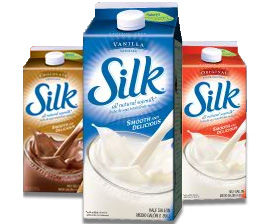
Isoflavones (a flavonoid); B-complex vitamins; niacin; folate, calcium; magnesium; potassium; phytoestrogens.
Soy milk is great over oatmeal or whole-grain cereal. Or, make a smoothie with soy milk.

12. Blueberries
Beta-carotene and lutein (carotenoids); anthocyanin (a flavonoid); ellagic acid (a polyphenol); vitamin C; folate; calcium, magnesium; potassium; fiber.
Cranberries, strawberries, raspberries are potent, too — for trail mixes, muffins, salads!
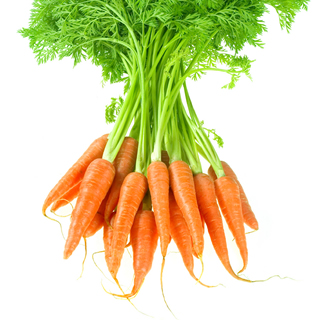 13. Carrots
Alpha-carotene (a carotenoid); fiber.
Baby carrots are sweet for lunch. Sneak shredded carrots into spaghetti sauce or muffin batter.
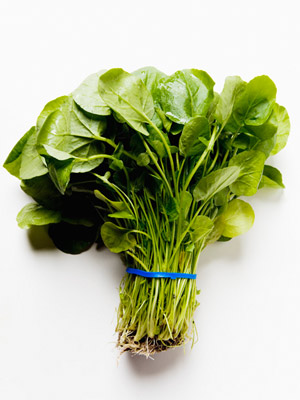
14. Spinach
Lutein (a carotenoid); B-complex vitamins; folate; magnesium; potassium; calcium; fiber.
Pick spinach (not lettuce) for nutrient-packed salads and sandwiches.
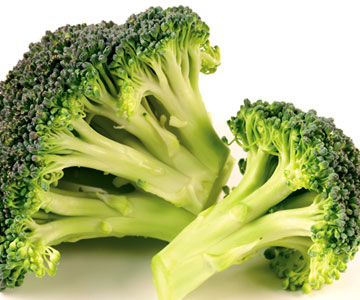 15. Broccoli
Beta-carotene (a carotenoid); Vitamins C and E; potassium; folate; calcium; fiber.
Chop fresh broccoli into store-bought soup. For a veggie dip, try hummus (chickpeas).

16. Sweet potato
Beta-carotene (a carotenoid); vitamins A, C, E; fiber.
Microwave in a zip-lock baggie for lunch. Eat au naturale, or with pineapple bits.
 17. Red bell peppers
Beta-carotene and lutein (carotenoids); B-complex vitamins; folate; potassium; fiber.
Rub with olive oil, and grill or oven-roast until tender. Delicious in wraps, salads, sandwiches.

18. Asparagus
Beta-carotene and lutein (carotenoids); B-complex vitamins; folate; fiber.
Grill or steam slightly, then dress with olive oil and lemon. It’s a pretty side dish.
 19. Oranges
Beta-cryptoxanthin, beta- and alpha-carotene, lutein (carotenoids) and flavones (flavonoids); vitamin C; potassium; folate; fiber.
Got orange juice? Check out the new nutrient-packed blends.
20. Tomatoes
Beta- and alpha-carotene, lycopene, lutein (carotenoids); vitamin C; potassium; folate; fiber.
For a flavor twist, try oil-packed tomatoes in sandwiches, salads, pastas, pizzas.
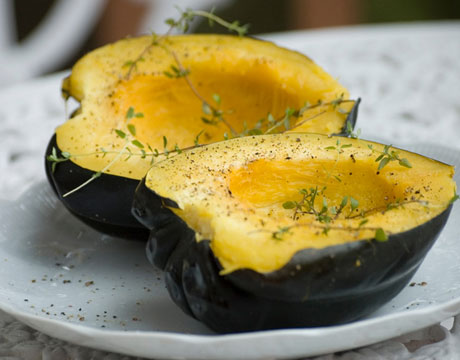 21. Acorn squash
Beta-carotene and lutein (carotenoids); B-complex and C vitamins; folate; calcium; magnesium; potassium; fiber.
Baked squash is comfort food on a chilly day. Serve with sautéed spinach, pine nuts, raisins.

22. Cantaloupe
Alpha- and beta-carotene and lutein (carotenoids); B-complex and C vitamins; folate; potassium; fiber.
A fragrant ripe cantaloupe is perfect for breakfast, lunch, potluck dinners. Simply cut and enjoy!
 23. Papaya
Beta-carotene, beta-cryptoxanthin, lutein (carotenoids); Vitamins C and E; folate; calcium; magnesium; potassium.
Serve papaya salsa with salmon: Mix papaya, pineapple, scallions, garlic, fresh lime juice, salt and black pepper.

24. Dark chocolate
Reservatrol and cocoa phenols (flavonoids).
A truffle a day lowers blood pressure, but choose 70% or higher cocoa content.
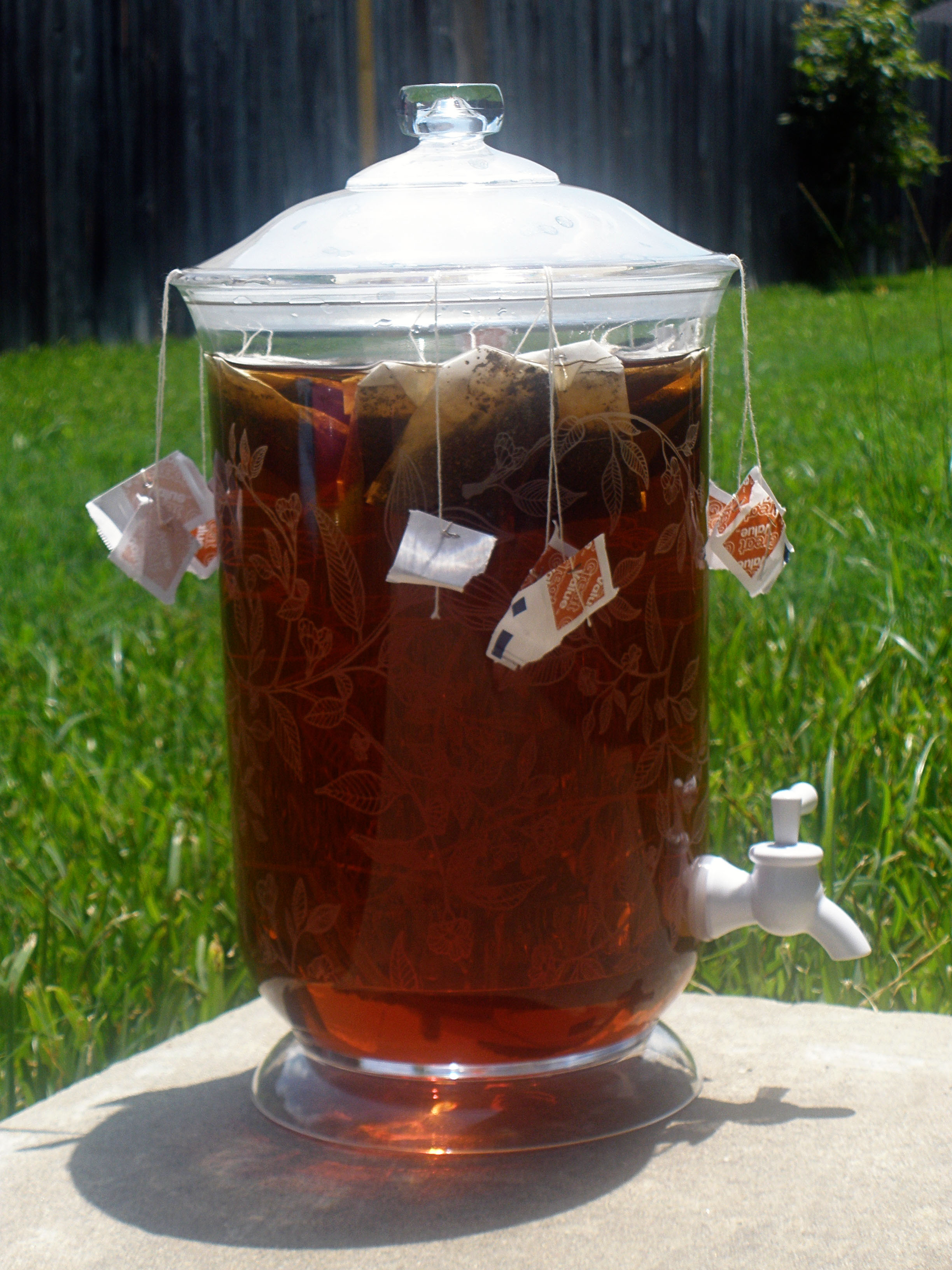 25. Tea
Catechins and flavonols (flavonoids).
Make sun tea: Combine a clear glass jar, several tea bags, and hours of sunshine.
Your Guide to Nutrients in Heart-Healthy Foods
Phytoestrogensare substances in plants (like flaxseed) that have a weak estrogen-like action in the body. Studies suggest that flaxseed lowers the risk of blood clots, stroke, and cardiac arrhythmias. It may also help lower total and LDL “bad” cholesterol and triglycerides, and even blood pressure.
Phytosterols are plant sterols that chemically resemble cholesterol — and seem to reduce blood cholesterol. All nuts and seeds, including wheat germ, have phytosterols.
Carotenoids are heart-protective antioxidants in many colorful fruits and veggies. Alpha-carotene, beta-carotene, lutein, and lycopene are carotenoids.
Polyphenols are another set of antioxidants that protect blood vessels, lower blood pressure, reduce LDL “bad” cholesterol. Flavonoid polyphenols include catechins, flavonones, flavonols, isoflavones, reservatrol, and anthocyanins. Non-flavonoid polyphenols include ellagic acid (found in all types of berries).
Omega-3 fatty acids (found in fatty fish like salmon) and alpha-linolenic fatty acids (found in plant foods like walnuts) help boost the immune system, reduce blood clots, and protect against heart attacks. They also increase good HDL levels, lower triglyceride levels, protect arteries from plaque buildup, are anti-inflammatories, and lower blood pressure.
B-complex vitamins — like Vitamin B-12 (folate) and vitamin B-6 — protect against blood clots and atherosclerosis, or hardening of the arteries. Niacin (vitamin B-3) helps increase HDL “good” cholesterol.
Vitamins C and E are antioxidants that protect cells from free radical damage. Magnesium, potassium, and calcium help lower blood pressure. Fiber-rich foods help lower cholesterol levels.
Source: webmd.com

Happy Now? Gabby Douglas’ hair is styled.

It is shameful that many people in the African American community have overshadowed Gabby’s success by criticizing her hair. Yes, she was on television for the entire world to see, but people there is more to life than hair and there is definitely more to life than appearances. All this chatter around “Gabby Douglas gotta do something with this hair! These clips and this brown gel residue aint it” and “Gabby Douglas needs to tame the beady beads in the back of her hair.” is unnecessary and just highlights how shallow and superficial many of us are.
How about focusing more on fitness than hair. There are thousands of African Americans suffering from illnesses brought on my poor diets and lack of exercise. Many women are constricted by their hair refusing to swim or exercise because of the effect it may have on their hair. What were you doing when Gabby was practicing for the Olympics? Sitting on the couch eating a bag of Cheetos, while looking up the latest natural hair YouTube video? Your hair looks great, but your dying from poor lifestyle choices? You don’t want to exercise because you don’t want to sweat out your perm or wear a headscarf to the gym?Would you prefer to be in shape like Gabby Douglas or have a killer blow out or twist out?
For decades we have forgone extracurricular activities like swimming, camping and hiking because we just can’t get our hair messed up. Although many of us have joined #teamnatural, we still have a defeatist attitude where what we do is controlled by our hair. If Gabby were like the average woman she may not have won two gold metals because she would be too concerned that all that flipping, jumping and sweating may interfere with her hair. Many Olympic female athletes wear their hair in ponytails with clips. Why are we only focusing on Gabby?
We praise those crazy Basketball Wives and Love & Hip Hop reality stars because they wear Louboutins with weaves down to their backsides-paid for by laying on their back. But we criticize a woman who is magnificent and made her country proud because of her passion for a sport? Not every woman is going to be a glamour girl, we just need to accept that. It is OK to be who you are, flaws and all. Let’s stop all this negativity and give Gabby the praise and recognition she deserves.
In the words of Gabby: “What’s wrong with my hair? I’m like, ‘I just made history and people are focused on my hair?’ It can be bald or short; it doesn’t matter about [my] hair.”


Infused “Spa” Water

For years, top spas from around the world have touted the amazing health benefits of healthy hydration and strived to create healthier more delicious and aesthetically appealing fruit, herb and floral infused waters to pamper their guests. These naturally infused vitamin waters not only replenish and enhance relaxation but are also beautiful and refreshing!
So do you want to give your home spa the finishing touch? Want to calm yourself in a sip? Or maybe you just need a more interesting way to get the recommended 8 glasses a day. Whatever your motive, infused “spa” water is perfect for this purpose. It’s healthy, tasty, inexpensive, and refreshing too. Try some, your body will thank you!
Infused “Spa” Water FAQ
What size containers do you use?
For an individual serving use a 28 oz ball or mason jar. Try to drink two of mason jars a day to make sure you are properly hydrated. Using measurable containers helps to regulate how much water you are drinking, plus they are cheap and convenient. Want to make a batch for the whole family? Go ahead, knock yourself out and make a pitcher full.
How long should I infuse the water?
Each water recipe is different, but a good rule of thumb is to infuse for at least four hours to get the most flavor. The best way is to infuse waters overnight in the refridgerator.
 Can I leave the infused “spa” water out overnight?
Absolutely. Would you be worried if you left a lemon or some raspberries out overnight at room temperature? Probably not. Fruit immersed in water will not change its chemical structure or cause bacteria to grow.
Is it important to use organic fruit and herbs?
If you are infusing fruit with the rind on, such as lemon slices, you should use organic fruit. Otherwise, you could potentially be drinking pesticides – gross! If you don’t have access to organic produce, simply cut the rinds off.
Is there any nutritional value to infused waters?
Yup. Nutrients leak out of the fruit into the water. You don’t get as many vitamins as you would if you were drinking fruit juice, but you don’t get the extra calories or fructose either.
How To Make Infused “Spa” Water
1. Decide what type of spa water you want- here are the main types, but feel free to improvise.
- Lemon Water: Pure, fresh water with crisp lemon slices and maybe a dash of sugar. Best as a healthy alternative to lemonade, or to relax and perk up after a hard day.
- Orange and Lime Water: Clean, mineral enhanced water with a few small slices of lime and orange alternating. Best for spa treatments.
- Cucumber Water: Clean, pure water with 3-6, depending on pitcher size, large cucumber slices. Best after working out. Also, if you’re a kid, a less embarrassing way to get your vegetables.
- Peach Water: Just plain yummy! Peach slices in clean water. Also good in seltzer, these are good for parties (spa night, anyone?)
2. Gather your ingredients.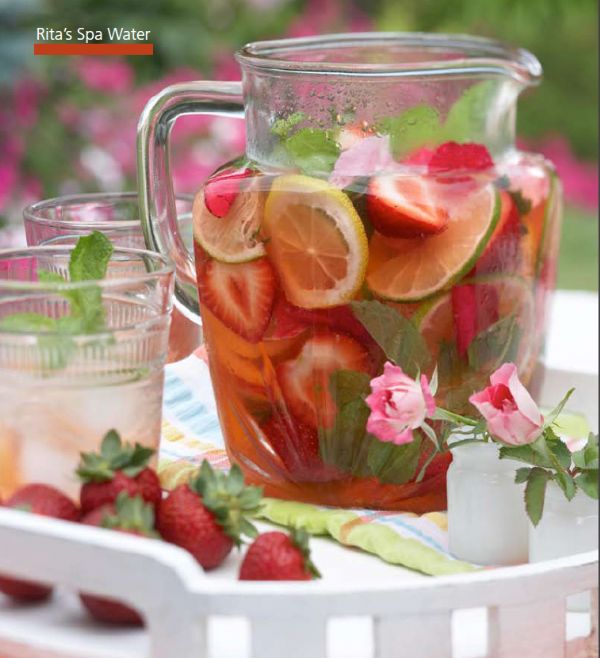
3. Fill a pitcher with cool water, and add a few ice cubes if desired.
4. Slice chosen fruit(s) into desired size- this varies depending on the size of the container you are using. Be careful not to put in too many or too large slices- this will cause the water to be overpowering, and make it seem pulpy and more like juice. Which you don’t want. Spa water should hint at the taste of said fruit, not completely give it.
5. Put the slices into the container(s), shake a little, and wait a few hours or overnight for the taste to set in.
6. Pour a little into a glass and sample it. There should be little to no pulp, just a hint of flavor, and you should feel refreshed
Source(s):

Vitamins and Minerals
Breakfast cereals advertise that they’re packed with vitamins and minerals. Sports drinks claim they can rev up your flagging energy with a jolt of vitamins or minerals (sorry, but even powerful vitamins and minerals can’t act that fast!). You know vitamins and minerals are good for you. But which ones does your body really need? And is it possible to get too much of a good thing?
What Are Vitamins and Minerals?
Vitamins and minerals make people’s bodies work properly. Although you get vitamins and minerals from the foods you eat every day, some foods have more vitamins and minerals than others.
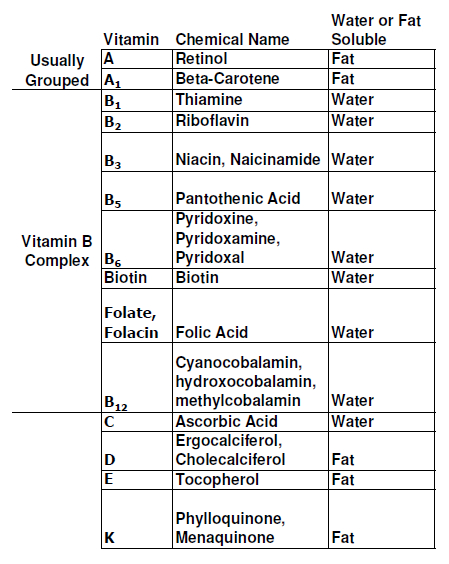
Vitamins fall into two categories: fat soluble and water soluble. The fat-soluble vitamins — A, D, E, and K — dissolve in fat and can be stored in your body. The water-soluble vitamins — C and the B-complex vitamins (such as vitamins B6, B12, niacin, riboflavin, and folate) — need to dissolve in water before your body can absorb them. Because of this, your body can’t store these vitamins. Any vitamin C or B that your body doesn’t use as it passes through your system is lost (mostly when you pee). So you need a fresh supply of these vitamins every day.
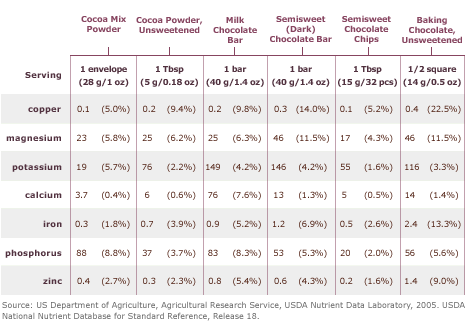
Whereas vitamins are organic substances (made by plants or animals), minerals are inorganic elements that come from the soil and water and are absorbed by plants or eaten by animals. Your body needs larger amounts of some minerals, such as calcium, to grow and stay healthy. Other minerals like chromium, copper, iodine, iron, selenium, and zinc are called trace minerals because you only need very small amounts of them each day.
What Do Vitamins and Minerals Do?
Vitamins and minerals boost the immune system, support normal growth and development, and help cells and organs do their jobs. For example, you’ve probably heard that carrots are good for your eyes. It’s true! Carrots are full of substances called carotenoidsthat your body converts into vitamin A, which helps prevent eye problems.
Another vitamin, vitamin K, helps blood to clot (so cuts and scrapes stop bleeding quickly). You’ll find vitamin K in green leafy vegetables, broccoli, and soybeans. And to have strong bones, you need to eat foods such as milk, yogurt, and green leafy vegetables, which are rich in the mineral calcium.
 Fuel for Growth
People go through a lot of physical changes — including growth and puberty — during their teenage years. Eating right during this time is especially important because the body needs a variety of vitamins and minerals to grow, develop, and stay healthy.
Eating a variety of foods is the best way to get all the vitamins and minerals you need each day, as well as the right balance of carbohydrates, proteins, fats, and calories. Whole or unprocessed foods — like fresh fruits and vegetables, whole grains, low-fat dairy products, lean meats, fish, and poultry — are the best choices for providing the nutrients your body needs to stay healthy and grow properly.
It’s OK to eat foods like potato chips and cookies once in a while, but you don’t want to overdo high-calorie foods like these that offer little nutritionally.
To choose healthy foods, check food labels and pick items that are high in vitamins and minerals. For example, if you’re choosing beverages, you’ll find that a glass of milk is a good source of vitamin D and the minerals calcium, phosphorous, and potassium. A glass of soda, on the other hand, offers very few vitamins or minerals — if any.
You can also satisfy your taste buds without sacrificing nutrition while eating out: Vegetable pizzas or fajitas, sandwiches with lean cuts of meat, fresh salads, and baked potatoes are just a few delicious, nutritious choices.
If you’re a vegetarian, you’ll need to plan carefully for a diet that offers the vitamins and minerals found primarily in meats. The best sources for the minerals zinc and iron are meats, fish, and poultry. However, you can get zinc and iron in dried beans, seeds, nuts, and leafy green vegetables like kale.
Vitamin B12, which is important for manufacturing red blood cells, is not found in plant foods. If you don’t eat meat, you can find vitamin B12 in eggs, milk and other dairy foods, and fortified breakfast cereals. Vegans (vegetarians who eat no animal products at all, including dairy products) may need to take vitamin supplements. If you’re thinking about becoming a vegetarian, talk to your doctor or a registered dietitian about how to plan a healthy, balanced diet.
Common Concerns
Lots of teens wonder if they should take vitamin or mineral supplements. If your diet includes a wide variety of foods, including whole-grain products, fresh fruits and vegetables, dairy products, nuts, seeds, eggs, and meats, then you are probably getting the vitamins and minerals your body needs.
But if you’re skipping meals, dieting, or if you’re concerned that you’re not eating enough items from a particular category, such as vegetables or dairy products, then talk to your doctor or to a registered dietitian. These professionals can help you create an eating plan that includes the nutrients your body needs.
Check with your doctor before taking vitamin or mineral supplements. Some people think that if something is good for you, then the more you take in, the healthier you’ll be. But that’s not necessarily true when it comes to vitamins and minerals. For example, fat-soluble vitamins or minerals, which the body stores and excretes more slowly, can build up in your system to levels where they could cause problems.
If you do take supplements, you should be careful not to get more than 100% of the recommended dietary allowance (RDA) for a particular vitamin or mineral. The RDA is calculated to provide 100% of the dietary needs for 98.6% of the population. Chances are that’s all you need.
There are hundreds of supplements on the market and of course their manufacturers want you to purchase them. Beware of unproven claims about the benefits of taking more than recommended amounts of any vitamin or mineral. A healthy teen usually doesn’t need supplements if he or she is eating a well-rounded diet.
Your best bet for getting the vitamins and minerals you need is to eat a wide variety of healthy foods and skip the vitamin pills. You’ll feel better overall and won’t run the risk of overdoing your vitamin and mineral intake.
*DISCLAIMER: All information is for educational purposes only.
For specific medical advice, diagnoses, and treatment, consult your doctor.
© 1995-2012 The Nemours Foundation. All rights reserved.

Becoming A Vegetarian

Why Do People Become Vegetarians?
For much of the world, vegetarianism is largely a matter of economics: Meat costs a lot more than, say, beans or rice, so meat becomes a special-occasion dish (if it’s eaten at all). Even where meat is more plentiful, it’s still used in moderation, often providing a side note to a meal rather than taking center stage.
In countries like the United States where meat is not as expensive, though, people often choose to be vegetarians for reasons other than cost. Parental preferences, religious or other beliefs, and health issues are among the most common reasons for choosing to be a vegetarian. Many people choose a vegetarian diet out of concern over animal rights or the environment. And lots of people have more than one reason for choosing vegetarianism.
Types Of Vegetarians
One thing that many people don’t realize or understand is that there are different types of vegetarians. Each individual vegetarian has his or her own personal reasons for choosing their diet, and these reasons determine exactly what foods they eliminate. Although a few different reasons and motivations are described in the Why? section, below is just a brief definition of some types of vegetarians.
- Total Vegetarians eat only plant food. They do not eat any animal foods, including fish, eggs, dairy products, and honey.
- Vegans not only omit all animal products from their diets, but they also eliminate them from the rest of their life. Vegans use nothing from animals, such as leather, wool, and silk.
- Lacto-Vegetarians will include dairy products into their diet of plant food.
- Lacto-Ovo-Vegetarians eat both eggs and dairy products.
- Pesco-Vegetarians include fish into their diets.
- Pollo-Vegetarians eat poultry, such as chicken, turkey, and duck.
- Pollo-Pesco Vegetarians which includes poultry and fish, or “white meat” only.
- Macrobiotic diet consist mostly of whole grains and beans.
Is A Vegetarian Diet OK?
In the past, choosing not to eat meat or animal-based foods was considered unusual in the United States. Times and attitudes have changed dramatically, however. Vegetarians are still a minority in the United States, but a large and growing one. The American Dietetic Association (ADA) has officially endorsed vegetarianism, stating “appropriately planned vegetarian diets, including total vegetarian or vegan diets, are healthful, nutritionally adequate, and may provide health benefits in the prevention and treatment of certain diseases.”
So what does this mean for you? If you’re already a vegetarian, or are thinking of becoming one, you’re in good company. There are more choices in the supermarket than ever before, and an increasing number of restaurants and schools are providing vegetarian options — way beyond a basic peanut butter and jelly sandwich.
If you’re choosing a vegetarian diet, the most important thing you can do is to educate yourself. That’s why the ADA says that a vegetarian diet needs to be “appropriately planned.” Simply dropping certain foods from your diet isn’t the way to go if you’re interested in maintaining good health, a high energy level, and strong muscles and bones.
Vegetarians have to be careful to include the following key nutrients that may be lacking in a vegetarian diet:
- iron
- calcium
- protein
- vitamin D
- vitamin B12
- zinc
If meat, fish, dairy products, and/or eggs are not going to be part of your diet, you’ll need to know how to get enough of these nutrients, or you may need to take a daily multiple vitamin and mineral supplement.
Iron
Sea vegetables like nori, wakame, and dulse are very high in iron. Less exotic but still good options are iron-fortified breakfast cereals, legumes (chickpeas, lentils, and baked beans), soybeans and tofu, dried fruit (raisins and figs), pumpkin seeds, broccoli, and blackstrap molasses. Eating these foods along with a food high in vitamin C (citrus fruits and juices, tomatoes, and broccoli) will help you to absorb the iron better.
Girls need to be particularly concerned about getting adequate iron because some iron is lost during menstruation. Some girls who are vegetarians may not get adequate iron from vegetable sources and they may require a daily supplement. Check with your doctor about your own iron needs.
Calcium
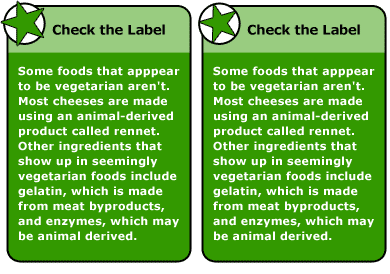
Milk and yogurt are tops if you’re eating dairy products — although vegetarians will want to look for yogurt that does not contain the meat byproduct gelatin. Tofu, fortified soy milk, calcium-fortified orange juice, green leafy vegetables, and dried figs are also excellent ways for vegetarians (and vegans) to get calcium. If you are a teen you’re building up your bones for the rest of your life.
Because women have a greater risk for getting osteoporosis (weak bones) as adults, it’s particularly important for girls to make sure they get enough calcium. Again, taking a supplement may be necessary to ensure this.
 Vitamin D
We need vitamin D to get calcium into our bones. Your body manufactures vitamin D when your skin is exposed to sunlight. Cow’s milk is top on the list for food sources of this vitamin. Vegans can try fortified soy milk and fortified breakfast cereals.
Some people may need a supplement that includes vitamin D, especially during the winter months. Everyone should have some exposure to the sun to help the body produce vitamin D.
Protein
Before, it was thought that vegetarians needed to combine incomplete plant proteins in one meal — like red beans and rice — to make the type of complete proteins found in meat. We now know that it’s not that complicated. Current recommendations are that vegetarians eat a wide variety of foods during the course of a day.
Eggs and dairy products are good sources of protein, but also try nuts, peanut butter, tofu, beans, seeds, soy milk, grains, cereals, and vegetables to get all the protein your body needs.
Vitamin B12
B12 is an essential vitamin found only in animal products, including eggs and dairy. Fortified soy milk and fortified breakfast cereals also have this important vitamin. It’s hard to get enough vitamin B12 in your diet if you are vegan, so a supplement may be needed.
Zinc
If you’re not eating dairy foods, make sure fortified cereals, dried beans, nuts, and soy products like tofu and tempeh are part of your diet so you can meet your daily requirement for this important mineral.
Fat, Calories, and Fiber
In addition to vitamins and minerals, vegetarians need to keep an eye on their total intake of calories and fat. Vegetarian diets tend to be high in fiber and low in fat and calories. That may be good for people who need to lose weight or lower their cholesterol but it can be a problem for kids and teens who are still growing and people who are already at a healthy weight.
Some vegetarians (especially vegans) may not get enough omega-3 fatty acids. Omega-3 fats are good for heart health and are found in fish and eggs. Some products, such as soy milk and breakfast bars, are fortified with docosahexaenoic acid (DHA), an omega-3 fatty acid.
High-fiber diets tend to be more filling, and as a result strict vegetarians may feel full before they’ve eaten enough calories to keep their bodies healthy and strong. It’s a good idea to let your doctor know that you’re a vegetarian so that he or she can keep on eye on your growth and make sure you’re still getting adequate amounts of calories and fat.
Getting Some Guidance
If you’re thinking about becoming a vegetarian, consider making an appointment to talk with a registered dietitian who can go over lists of foods that would give you the nutrients you need. A dietitian can discuss ways to prevent conditions such as iron-deficiency anemia that you might be at an increased risk for if you stop eating meat.
Also, remember to take a daily standard multivitamin, just in case you miss getting enough vitamins or minerals that day.

Tips for Dining Out
Eating at restaurants can be difficult for vegetarians sometimes, but if you do eat fish, you can usually find something suitable on the menu. If not, opt for salad and an appetizer or two — or ask if the meat can be removed. Even fast-food places sometimes have vegetarian choices, such as bean tacos and burritos, veggie burgers, and soy cheese pizza.
Vegetarians can opt for pasta, along with plenty of vegetables, grains, and fruits. You may also find that the veggie burgers, hot dogs, and chicken substitutes available in your local grocery store taste very much like the real thing. Try the ground meat substitute as a stand-in for beef in foods like tacos and spaghetti sauce.
Regardless of whether you choose a vegetarian way of life, it’s always a healthy idea to eat a wide variety of foods and try out new foods when you can.
Famous Vegetarians
All of these actors, musicians, writers, scientists, and artists have maintained a vegetarian diet. Although probably all would testify of reaping many physical benefits, some even contribute their creativity and clear thinking to their healthy eating style.
 Paul Newman Paul McCartney Bob Dylan John Denver
“Chubby” Checker Gladys KnightThe B-52’s Leonardo da Vinci
Leo Tolstoy Sir Issac Newton Ralph Waldo Emerson Upton Sinclair
Charles Darwin Ghandi Henry David Thoreau Socrates
*NOTE: All information on Becoming A Vegetarian is for educational purposes only.
For specific medical advice, diagnoses, and treatment, consult your doctor.
© 1995-2012 The Nemours Foundation. All rights reserved.

The Best (and Tastiest) Foods For Your Heart

A heart-smart lifestyle starts with the foods on your plate. Improve your diet with these tasty choices that contain the top nutrients your heart needs, from vitamins and minerals to antioxidants and omega-3 fatty acids.
“Most people know that heart-healthy foods are a big part of heart health. The key is educating them on how to make changes in their diet,” says Cindy Neels, MPH, RD, LDN, a dietitian with the cardiac rehabilitation program at the Lahey Clinic in Burlington, Mass. Great heart-healthy foods that include antioxidants, lean proteins, fiber, and omega-3 fatty acids will all help you maintain a healthy weight and keep your lipid levels in check for better heart health — and best of all, they taste good, too.
 Salmon Delivers Omega-3 Fatty Acids
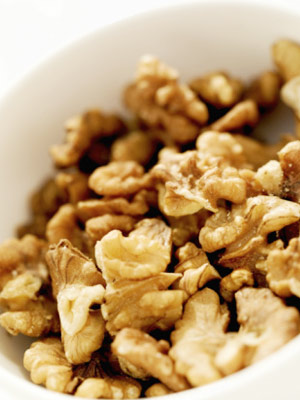
Go Nuts for Walnuts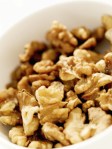
 Try Blueberries for an Antioxidant Boost

Mom Was Right: Eat Your Spinach
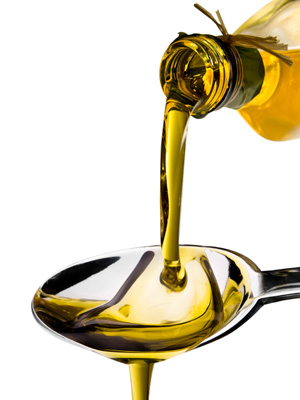
 Use Olive Oil for Heart-Healthy Fat
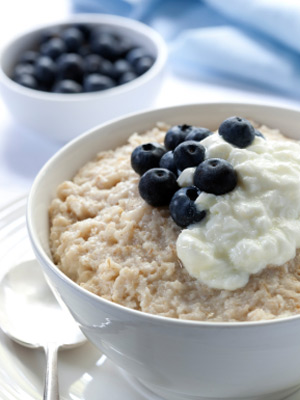
Enjoy Natural Whole Grains for Fiber
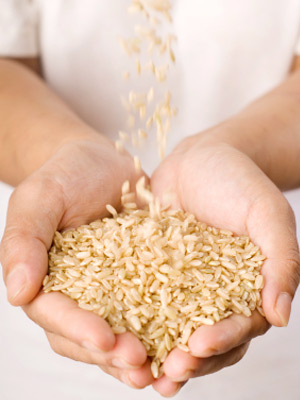
 Opt for Brown Rice Instead of White
Eat Poultry for Lean Protein

 Be Mindful of Other Meats

Substitute Beans for Meat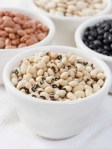

Dried beans are a great meat substitute. For optimum heart health, at least once a week, base a meal around beans instead of meat. “Beans are non-fat, high protein, and fiber-rich, so they are great heart-healthy foods,” says Neel. One final thought as you cook with beans and other heart-healthy foods is to reduce your salt intake. Too much salt is a major cause of high blood pressure and heart disease. Try using fresh herbs and a little touch of antioxidant-rich lemon juice to flavor your foods in place of salt.
Copyright © 2012 Everyday Health, Inc.

Hooked On Caffeine?
If you can’t get by without that morning jolt or afternoon pick-me-up, you could have a caffeine addiction. Here’s how you can know for sure.
By Regina B. Wheeler Medically reviewed by Pat F. Bass III, MD, MPH
Do you rely on your morning coffee to get you out the door — and reach for another cup as soon as you get to work? You could be feeding a caffeine addiction. And once you’re hooked, kicking the habit can be tough.
You might not realize it, but caffeine is the most common mood-altering drug in the world. It is a mild stimulant that works on the central nervous system. Just ask any java junkie — caffeine can make you more alert, give you an energy boost, and keep you from snoozing when you need to stay awake.
Caffeine can be found in many products like tea, soft drinks, energy drinks, and some over-the-counter medications, but coffee is the leading dietary source of caffeine among American adults. Generally, three 8-ounce cups of coffee per day is considered moderate consumption and won’t hurt you, according to the National Institutes of Health (NIH). However, excessive caffeine use — more than 10 8-ounce cups of coffee per day — can produce physical side effects including tremors, anxiety, insomnia, and a “crash” of extreme fatigue once the caffeine starts to wear off.

Symptoms of Caffeine Withdrawal
The brain fog and headache that some people get if they don’t have their typical amount of coffee or other caffeinated beverage might actually be a sign of caffeine withdrawal syndrome, according to a recent study.
Researchers at Johns Hopkins University Medical School in Baltimore and American University in Washington, D.C., reviewed 66 experimental and survey studies on caffeine withdrawal. They identified these common symptoms:
- Headache
- Fatigue or drowsiness
- Depression and irritability
- Difficulty concentrating
- Flu-like symptoms, including nausea, vomiting, and muscle aches
Typically, symptoms began 12 to 24 hours after stopping caffeine and peaked within one to two days. Some subjects reported symptoms that were so severe they couldn’t work. Generally, the heaviest consumers of caffeine reported the most bothersome symptoms, but even people who missed 100 milligrams, or one regular cup of coffee, experienced withdrawal symptoms. Study participants agreed that avoiding withdrawal helped motivate them to continue using caffeine.
Caffeine Tolerance Is on the Rise
Daniel Evatt, PhD, research fellow in the department of psychiatry at Johns Hopkins University Medical School, says people can stop feeling the effects of caffeine, or become tolerant, leading to the need for more and more to feel alert. But Dr. Evatt also points out that most people find a comfortable level and stick with that. “It usually doesn’t keep going up forever, and not all caffeine users develop tolerance.” However, high doses of caffeine (more than 750 milligrams over the course of every day) can produce complete tolerance. That means the drug no longer has a discernible effect.
The Warning Signs of Caffeine Addiction
Experiencing withdrawal symptoms and tolerance are signs that you are becoming physically dependent on caffeine, Evatt says. He also notes that if you are experiencing the following signs and symptoms, you may have developed an unhealthy caffeine addiction:
- You experience insomnia, frequent headaches, or difficulty concentrating
- You continue to use caffeine despite being told to stop by a health professional
- You have difficulties cutting down or quitting even if you want to
The Diagnostic and Statistical Manual of Mental Disorders (DSM-IV) doesn’t recognize caffeine addiction as a mental disorder, but it may be included in the updated DSM-V. The World Health Organization’sInternational Statistical Classification of Diseases and Related Health Problems (ICD-10) does recognize caffeine addiction as a disorder.
Kicking the Caffeine Habit
Evatt is part of a Johns Hopkins team working on a caffeine dependence treatment program. If you want to quit, “I would first recommend becoming aware of how much caffeine you are consuming daily,” Evatt says, adding that many people underestimate their use. He advises people against trying to quit caffeine cold turkey. “Withdrawal headaches can last days in some individuals,” he says. Instead, cut down slowly to lessen withdrawal symptoms.
The American Dietetic Association gives these tips for cutting down on caffeine:
- Mix decaffeinated coffee in with regular coffee
- Drink a latte with more low-fat milk than coffee
- Brew tea for less time
- Pick soft drinks without caffeine
If these measures don’t work and you think your caffeine consumption is turning into a troublesome caffeine addiction, it might be time to find an addiction specialist for treatment.
Copyright © 2012 Everyday Health, Inc.


 I Am Lady Fab