Blog Archives

Infused “Spa” Water
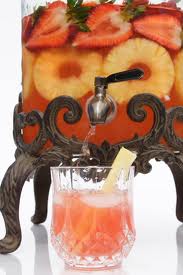
For years, top spas from around the world have touted the amazing health benefits of healthy hydration and strived to create healthier more delicious and aesthetically appealing fruit, herb and floral infused waters to pamper their guests. These naturally infused vitamin waters not only replenish and enhance relaxation but are also beautiful and refreshing!
So do you want to give your home spa the finishing touch? Want to calm yourself in a sip? Or maybe you just need a more interesting way to get the recommended 8 glasses a day. Whatever your motive, infused “spa” water is perfect for this purpose. It’s healthy, tasty, inexpensive, and refreshing too. Try some, your body will thank you!
Infused “Spa” Water FAQ
What size containers do you use?
For an individual serving use a 28 oz ball or mason jar. Try to drink two of mason jars a day to make sure you are properly hydrated. Using measurable containers helps to regulate how much water you are drinking, plus they are cheap and convenient. Want to make a batch for the whole family? Go ahead, knock yourself out and make a pitcher full.
How long should I infuse the water?
Each water recipe is different, but a good rule of thumb is to infuse for at least four hours to get the most flavor. The best way is to infuse waters overnight in the refridgerator.
 Can I leave the infused “spa” water out overnight?
Absolutely. Would you be worried if you left a lemon or some raspberries out overnight at room temperature? Probably not. Fruit immersed in water will not change its chemical structure or cause bacteria to grow.
Is it important to use organic fruit and herbs?
If you are infusing fruit with the rind on, such as lemon slices, you should use organic fruit. Otherwise, you could potentially be drinking pesticides – gross! If you don’t have access to organic produce, simply cut the rinds off.
Is there any nutritional value to infused waters?
Yup. Nutrients leak out of the fruit into the water. You don’t get as many vitamins as you would if you were drinking fruit juice, but you don’t get the extra calories or fructose either.
How To Make Infused “Spa” Water
1. Decide what type of spa water you want- here are the main types, but feel free to improvise.
- Lemon Water: Pure, fresh water with crisp lemon slices and maybe a dash of sugar. Best as a healthy alternative to lemonade, or to relax and perk up after a hard day.
- Orange and Lime Water: Clean, mineral enhanced water with a few small slices of lime and orange alternating. Best for spa treatments.
- Cucumber Water: Clean, pure water with 3-6, depending on pitcher size, large cucumber slices. Best after working out. Also, if you’re a kid, a less embarrassing way to get your vegetables.
- Peach Water: Just plain yummy! Peach slices in clean water. Also good in seltzer, these are good for parties (spa night, anyone?)
2. Gather your ingredients.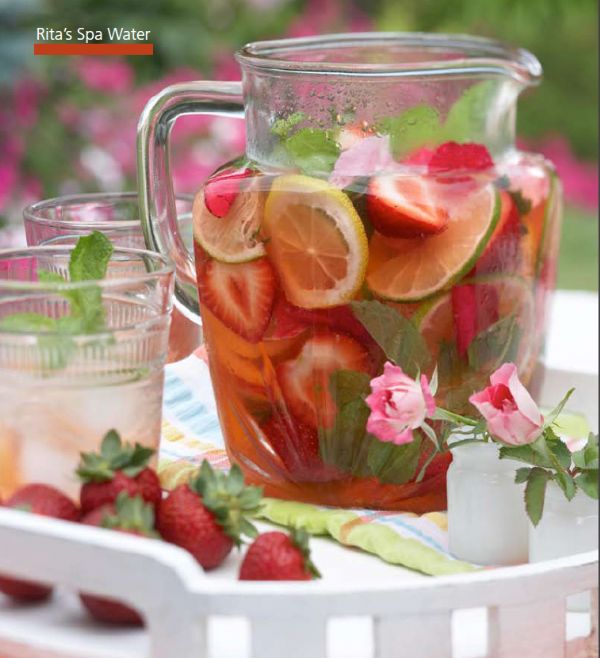
3. Fill a pitcher with cool water, and add a few ice cubes if desired.
4. Slice chosen fruit(s) into desired size- this varies depending on the size of the container you are using. Be careful not to put in too many or too large slices- this will cause the water to be overpowering, and make it seem pulpy and more like juice. Which you don’t want. Spa water should hint at the taste of said fruit, not completely give it.
5. Put the slices into the container(s), shake a little, and wait a few hours or overnight for the taste to set in.
6. Pour a little into a glass and sample it. There should be little to no pulp, just a hint of flavor, and you should feel refreshed
Source(s):

Ways To Promote Hair Growth
Drink plenty of water. The daily recommended amount is 8 glasses of water.
Eat Healthy. You will provide your hair with the proper nutrients it needs to grow and look its best.
 Avoid Heat. Heat adds stress to your hair. If you have to use heat always apply a heat protectant to minimize damage.
Keep your hair clean. Shampoo your hair regulary to keep from clogging your pores.
Protect your ends. Oil or moisturize your ends daily to keep them from breaking as your hair grows.
Do not braid your hair too tight. This can cause alopecia which is the leading cause of hair loss amongst African American women!
Try different methods of hair extensions. Any hair extension or weave method that requires glue & heat is extremely damaging to our hair. This would also include glued-in hair extensions. Sewn in weaves are more expensive, but is perhaps a better way to go because hair is normally cornrowed and protected as extensions are sewn into them.
Avoid spritz. Any style that will “freeze” the hair into place is very damaging to black hair. Anything that makes the hair hard and 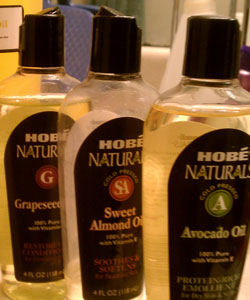 crunchy should be left alone.
Avoid rubbing hair. When drying hair, do NOT vigorously rub the hair with a towel to dry it. Always remember that our hair needs to be handled with extreme care. Gently pat the hair dry.
Do Not Grease/Oil your scalp. This can clog the pores of the scalp. These clogged pores suffocate the hair follicles and lead to unnecessary hair loss (i.e. oil folliculitis). Oils should be applied directly to hair only, not to the scalp.
Combing Methods. Be patient and gentle with your hair when combing. Use a wide tooth comb to gently detangle hair before combing. This can prevent breakage.
Use satin night scarves. Be sure to rotate the position of the scarf when wrapping hair at night so that the point where the knot is tied does not always rest in the same place. The top (forehead) area is ideal since most people tend to sleep on their backs or sides.

Let’s Talk Skin: Raw Honey and Brown Sugar Scrub
by Dominique Goosby Harris – All Things O’Natural
Oooo la la..this is going to be a royal treat for your skin. The Raw Honey and Brown Sugar Scrub. Not only is it a tasty facial scrub for your face, it is excellent to use on your lips and those rough areas on your body, such as elbows, knees and feet. For a wonderful scrub that you can use once or twice per week, here is all that you need to do:
Honey and Brown Sugar Facial Scrub:
What You’ll Need:
- Raw honey: The use of raw honey gently exfoliates the skin and stimulates circulation without causing irritation and dryness. Raw honey is a humectantwhich has the quality of attracting and retaining moisture, so it balances the skin moisture to give a soft glowing complexion. Another one of the amazing raw honey benefits for skin is its protection against sunburns.
- Brown Sugar: Exfoliating the skin with a brown sugar scrub cleans and tightens pores giving the skin a more even uniform appearance; pores look smaller, skin tone more even. It can also diminish the damage to the skin caused by acne and other skin conditions.Using a brown sugar scrub improves your skin’s ability to retain its natural moisture balance.
- Essential Oil (optional)..I add 2 drops of tea tree oil
- Wash Cloth
Directions:
- Mix 1 TBSP Raw Honey to 1 TBSP of Brown Sugar. Add 2 drops of an essential oil geared towards acne control (peppermint, tea tree, rosemary). Apply the mixture to a clean face in upward circular motions for 3-5 minutes. Take your damp warm wash cloth and gently wipe the mixture off of your face. Repeat until the scrub is completely removed. Follow with a cool water rinse. Tone. Moisturize.
Oh my Goodness, your face is going to faithfully thank you for this one. Your skin is going to feel extremely smooth as the facial removes excess oil and dead skin cells through exfoliation. We all can agree that acne is the ‘devil’ so this scrub works overtime to keep the enemy at bay. And really, who doesn’t want healthy, smooth, hydrated skin?
I try to do this facial scrub at least two times per week. I have combination acne prone skin, so taking care of my skin is an absolute priority in keeping my little acne enemies on lock down. And I must say, this scrub has worked wonders. Give it a try before you spend your money on chemical peels, commercial facial scrubs, etc. And many of the ingredients are right in your kitchen cabinet. Also, use it in the shower as a body scrub, your body will thank you for it.
 Dominique Goosby Harris ~ CEO of All Things O’ Natural
Protein Treatments vs. Cholesterol Treatments
QUESTION: What is the difference between using a protein treatment versus a cholesterol treatment as a form of deep conditioner?
ANSWER: GREAT Question! Think of the proteins and cholesterols as different yet necessary rooms in your house of healthy hair practices. The bathroom is different from the kitchen but a house is not complete without both!
PROTEINS
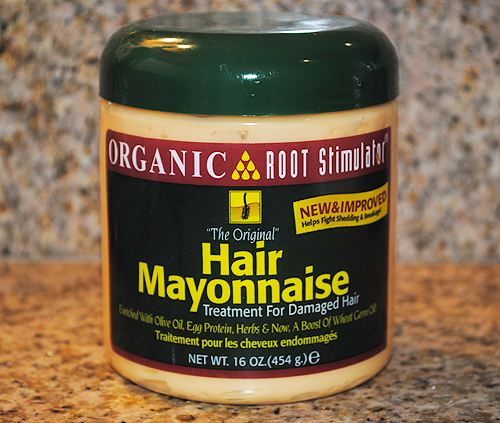 Proteins are the large biological molecules that make up the hair. You get proteins from the foods you eat such as eggs, dairy, and lean meats. When your hair is damaged, it can be fortified (strengthened) by topical protein treatments. Unhealthy hair is typically knicked, broken, and damaged. This damage leaves the hair weak and lackluster. Proteins can fortify damaged hair by filling in the knicks or damaged areas. Think of proteins as you would wall putty. Putty is a superficial fix that goes over the hole to cover and thus fortify the holed area of the wall. Proteins perform a similar function. Protein treatments act as a superficial fix that goes over the hair to cover and thus fortify the knicked/damaged area. To that same point, if your hair is not damaged, such a fix simply sits on top of the knick and creates unnecessary build up. This is why you should avoid protein treatments when they are not necessary.
Try it!: If your hair is broken, damaged, and lackluster, apply a protein treatment to fortify the knicked areas and add shine and luster to your tresses.
CHOLESTEROLS
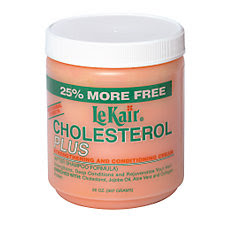 Cholesterols are fats (lipids) and they help to feed/ strengthen the hair. Fats are jam packed with the nutrients your hair needs. Cholesterol treatments are great TOPICAL treatments for the hair. They are also jam packed with vitamins and nutrients. Cholesterol treaments are only topical in nature. Ingesting/eating additional cholesterol as part of your diet is NEVER a good way to improve the health of the hair (or body)!
Try it!: Try prepooing or deep conditioning with LeKair Cholesterol. You can pick it up in your local WalMart or your local beauty supply store. While there are many brands of cholesterol available, I find LeKair to be thicker and richer than most brands.
Source: Journey 2 My Roots

What Products Do Natural’s Really Like?

This was the question: Let’s say you were going on a two week vacation, and when you get there, you will not be able to buy hair products. Your hair cannot be in a protective style, where your hair is safely tucked away, but your beautiful hair is going to be free. You can only take 3 products (your brush, comb and bobby pins are already packed!)
What 3 products would you take?

You Are Beautiful!

So many times in todays society women are pressured to be something they are not. Whether it’s by coworkers, friends, the media. Sometimes we forget about the things that make us unique and beautiful. We put ourselves down so much that eventually we can’t even think of anything good about ourselves. Sometimes it’s so bad that we get mad at other women who we think are more beautiful and we get angry when women talk about what they like about themselves. But today I’m going to challenge you to think about the things that you think makes you beautiful and feel free to post them in a comment, no holds bar, even if you think your starting to sound vain. Love You Much & Have A Beautiful Day 🙂

How Color Can Change Your Life
Discover Your Power Color

By: Pamela Harding
Are you feeling blue? Seeing red? Looking green around the gills? Try a healthy dose of color therapy. It might be just the prescription you need!
Our ancestors believed that color held magical properties. It could be used to ward off evil spirits, attract good ones, and even heal the sick. While in this age of hard science and cool technology we may view such beliefs with skepticism, our fascination with color has taken on new forms. Biochemists, environmental and industrial psychologists, make-up experts, wardrobe consultants, and, of course, advertising pros have studied color and found how it affects mood, health, image, perception, even heart rate. Certain colors can prompt you to eat faster, perceive objects differently, and even make you spend more money.
Although babies are drawn most strongly to bright colors, and children often prefer solid, vibrant hues, adults tend to choose more subdued tints and shades of color: pink and rose or maroon instead of fire-engine red, for instance, or peach, melon or rust instead of bright orange. To surround yourself with what you feel comfortable is most important. Certain colors can ramp up your mood, but only if they appeal to you. If they don’t, they can do the opposite.
 Red
Red
Blood Pressure, respiration, and muscle tension all increase on initial exposure to red. But, this jazzy hue also boosts spirits and stimulates creativity, conversation, and the appetite (which is why it is used in many restaurants). Red is also a popular color in casinos—people are more likely to gamble in a red environment than in, say, a blue one. Rooms with a lot of red feel warmer, heavier, and time seems to pass more slowly in them. Red may increase passion, but also aggression, anger, and restlessness—it’s probably not the best choice of color for a bedroom. In clothing red conveys energy, power, and leadership, but can also signal romance and sensuality, depending on the garment.
An interesting note: when you have two objects of identical shape and weight, one red and one blue, most people will think the red one is heavier. (Might be one reason to rethink that red wardrobe! On the other hand, red accents could perk up your image.)
Orange
Like the edible fruit, orange is associated with health and well-being. Eye-catching, stimulating, exciting, and mood elevating, the color decreases irritability. Like red, it boosts appetite, but it will stimulate people to eat and run—hence the popular orange in many fast-food restaurants. Generally, orange conveys a sense of youth, quickness of mind and body, and is perceived as a warm and friendly color. An orange accent on a plate makes food look more appealing and lighter tints on walls or clothing flatter the complexion. Peach and melon are good colors for living rooms and dining areas. People who wear orange are seen as cheerful, emotional, communicative, enthusiastic, and fun.
 Yellow
Vibrant yellow, bright and easily visible, is a great color to wear on dull, dark, or rainy days to add a little sunshine to your life. (It’s also a good color to wear after dark if you’re walking along busy streets.) The color projects love, light, warmth, and wealth, enhances communication, learning, mood, and energy level.
Generally, yellow combats gloom and fatigue. It opens up or brightens rooms, and pale tones are good choices for classrooms; warm tones good for play areas and living rooms. It’s the most visible choice of background color for signs (with black lettering). People who wear yellow are perceived as sunny, intelligent, warm, and compatible. So wear gold (also in jewelry) or yellow when you’re asking for a raise.
Green
The color of money, but also balance, harmony, and control, green exudes prosperity and well-being. It increases the ability to concentrate, while reducing muscular tension and stress. Refreshing and restorative, green is an ideal room color for sedentary or monotonous tasks—a good color for learning and doing. Rooms feel cooler and fresher. Turquoise and light green are good choices for kitchens, since they make room temperatures feel cooler and time and tasks seem to pass more quickly. Wear green to give the impression that you feel in control. It’s a good color to wear if you’re trying to keep the peace, mediate, or generate team spirit.
 Blue
Blue
Blue hues lower blood pressure respiration, and pulse and convey a sense of peace, serenity, and tranquility. Blue objects tend to feel lighter than they are. A pale blue bedroom creates a light, airy atmosphere and is likely to create a peaceful, restful environment that helps lull you to sleep. Rooms feel cooler, and time passes more quickly. Blue is also a good formal color for living rooms. However, choose the hue wisely, because it can also be depressing in bathrooms or dining areas, making people’s complexions look gray. In clothing, “true” blue is an American favorite. Wear blue to inspire trust and loyalty, encourage communication, and convey a sense that you belong.
Violet
Violet hues suggest something unusual and superior. Associated with high spirituality, violet can also convey somberness or solemnity, and may be interpreted as either uplifting or depressing. Good for prayer and meditation, the color has an otherworldly character. It’s not generally a good color choice for walls, since large expanses disturb the eyes’ ability to focus. Wear violet and you’ll project unconventionality, nonconformity, and creativity. The color stands out in a crowd and may be associated with acute perception and deep insight.
Copyright © Beliefnet, Inc. and/or its licensors. All rights reserved.

The Curly Hair Oil Roundup
A guide to ten popular, natural hair oils for curly, kinky and wavy hair.
When it comes to maintaining your curly hair, you may be seeing lots of products bombarding the market touting all sorts of ingredients. Especially when it comes to the sheer number of natural hair oils, it can be confusing to know which one may work best for your hair. Although you can learn by trial and error, it’s always a good idea to do a little research before trying new ingredients.
To give you a brief introduction on hair oils, there are a couple main types of oils you’ll come across: carrier oils (vegetable/nut/seed derived oil, usually odorless, can be used alone or used to transport or “carry” the scent and properties of an essential oil) and essential oils (highly concentrated scent, contain specific therapeutic benefits, normally extracted from plant sources and diluted with carrier oils).
Examples of essential oils widely used in the natural hair community are rosemary, tea tree, lemon, eucalyptus, lavender and sandalwood. Of course there are many others, but these are found in many natural hair products for their healing and restorative properties.
On their own, carrier oils have their own individual benefits and are extremely popular among curly girls. Whether you have type 2 waves, type 3 curls, or type 4 coils, there’s an oil out there that can benefit your tresses. To help you navigate, here’s a list of some of the more popular, and a few obscure, natural oils on the market.
- Coconut Oil (Extra Virgin) Light and non-greasy, coconut oil can easily be used by all hair types. Coconut oil is one of the few oils that can actually penetrate the hair shaft. There are several types of coconut oil available, but go for the extra virgin (EVCO). This oil is typically clear in its liquid form and a white color that is solid at room temperature. Shelf life: approximately 1-2 years.
- Olive Oil (Extra Virgin) This multipurpose oil is a staple in many naturals’ hair care regimens. Not only is olive oil a great pre-poo and hot oil treatment option, extra virgin olive oil (EVOO) works wonders to seal moisture in and can add a kick to your conditioning routine too. If you have finer hair you may want to use just a small amount in order to not weigh the hair down. Shelf life: up to 2 years.
- Castor Oil (Jamaican Black Castor Oil) A heavier oil great for tighter coils, castor oil can be great for sealing moisture into your hair. Many have also used this oil to help regain thickness around thinning hairlines. A little definitely goes a long way with this oil; too much can leave your hair heavy and weighed down. Another popular variation is Jamaican Black Castor Oil (JBCO). This less refined version can be used to encourage hair growth as well as protect and seal your ends. Shelf life: indefinite.
- Grape Seed Oil This super light and moisturizing hair oil can benefit all types of curls. A natural heat protectant, grape seed oil can actually be used as a thermal agent up to 425 degrees when blow drying or flat ironing. Apply a bit throughout the hair before applying heat to give your hair added shine and protection. This oil works great to strengthen each strand, increase manageability and can also be used to combat dry scalp and dandruff. Shelf life: approximately 1 year
- Jojoba Oil Closely matching the sebum, your hair’s natural oil, jojoba oil is a great staple in your natural hair care routine. This hair oil can be used to balance oil production at the scalp, aiding overproducing glands that cause oily hair. Jojoba is also non-greasy and gives your hair a healthy shine. At this time, however, jojoba oil is very scarce and that is reflected in the skyrocketing price. Shelf life: can be indefinite.
- Sweet Almond Oil This light, all-purpose oil is great for all hair types and offers many benefits to naturally curly hair. Sweet almond oil works great as a sealant, so apply a small bit on top of your moisturizer to lock in the moisture. It’s also great for improving manageability by smoothing the hair shaft. Shelf life: approximately 1 year.
- Avocado Oil This super nutrient rich oil is heaven for thick haired curlies. Chock full of natural goodies like amino acids, minerals, and vitamins, avocado oil can help strengthen hair and enhance deep conditioning treatments. Try mixing a bit of this hair oil with your favorite conditioner as a deep treatment, adding a plastic baggy or heat cap for added conditioning. Since this oil is a bit heavy and slightly oily, it’s best for thicker or more tightly coiled strands. Shelf life: approximately 1 year.
- Argan Oil This rare oil is making waves in the natural hair community for its moisturizing properties. Easily absorbed and quite nourishing, this oil is great for your hair, skin, and nails too. For curly girls, argan oil helps with manageability and can also strengthen the hair. It can be pricey, but a little goes a long way. Shelf life: approximately 2 years.
- Ayurvedic Oils For ages these hair oils have worked wonders across the globe and they’re a wonderful option for naturals. Some of the more prominent oils are amla, neem, brahmi, and bhringaraj; each of these distinctive oils offer their own unique benefits for your curls. For example, amla oil is great to strengthen and condition the hair, neem oil is excellent for tackling dandruff, brahmi can be used to stimulate hair growth and bhringaraj is great to combat shedding and breakage.
- Rose Oil A lightweight oil, rose oil is perfect for wavies or those with thinner hair. Rose oil strengthens hair at the root, protects against frizz and adds shine.
Source: Naturally Curly

Three Cheers For The Transitioner!

A dedicated Transitioner takes the time to learn whether her hair favours Olive Oil, Jojoba Oil or maybe one of those beautiful butters she has the pleasure of choosing from. She doesn’t resent her new growth but, loves it no matter what texture it is, giving it the love and affection it desires.
Having to deal with people trying to ‘keep it real’ about how they feel about her new hair is not rare for the Transitioner. They may catch her of guard at times, but she remains composed and lifts her head high because she is confident in her decision to go natural – this isn’t a fad, to please the next person, and definitely not a cry for help (I hope!).

The Many Stages of Our Natural Journeys

Tammy Goodson of CurlyChics
You’ve somehow been introduced to the natural hair world, whether it was through your stylist or perhaps you admired the way a close friend rocked her bold afro with such confidence; either way your curiosity was piqued. That curiosity turns into the decision to take action and so the journey begins.
Stage 1 – The Dive
You make the decision to “go natural”. You dive right in, head first, literally, with the big chop or proceed subtly by transitioning. You’re excited because it’s the beginning of something new yet apprehensive because of any preconceived notions you may have about the process.
Stage 2 – Still Unsure
If you’re transitioning, you’re dealing with multiple textures, finding the right products through process of elimination which also means elimination of lots of cash, and looking forward to the day when those relaxed ends are persona non grata! If you big chopped, in addition to similar frustrations of a transitioner, you are contending with the stark contrast from your normal look and no longer hiding behind your hair.
Stage 3 – Arrived ….ehhhh?
You’ve finally arrived, no more relaxed ends and it feels great, but now what? Your big chop has now become its goal length (whether that’s a twa or longer) but you haven’t quite discovered your mane’s true personality. There’s a whole new head of hair to get familiar and bond with and you can quickly get overwhelmed. You take to the blogs and vlogs for more information than you even know what to do with and continue the business of figuring it all out.
Stage 4 – Seasoned Vet
After some time of experimenting and self matriculating, you are that unapologetic natural girl that everyone confers with, the one to whom new naturals look to for guidance and inspiration. Have you mastered all things natural? No, there are always lessons to learn, but you’re a lot further than you were a few years ago and even more comfortable in your own skin. It’s when you learn that starting any journey can be taxing and frustrating and contained in those frustrations are possibilities of awesome results.
*Note – these are my experiences, coupled with testimonies of other naturals I have interviewed. Of course, not everyone goes through these stages in the same order and some phases may be combined and/or omitted.
Sharing hairstories and life experiences from a curl’s perspective. Find Tammy at her blog, Curlychics, on Twitter, and Facebook.
Source: Curly Nikki


 I Am Lady Fab