Category Archives: Healthy Fab

The Best (and Tastiest) Foods For Your Heart

A heart-smart lifestyle starts with the foods on your plate. Improve your diet with these tasty choices that contain the top nutrients your heart needs, from vitamins and minerals to antioxidants and omega-3 fatty acids.
“Most people know that heart-healthy foods are a big part of heart health. The key is educating them on how to make changes in their diet,” says Cindy Neels, MPH, RD, LDN, a dietitian with the cardiac rehabilitation program at the Lahey Clinic in Burlington, Mass. Great heart-healthy foods that include antioxidants, lean proteins, fiber, and omega-3 fatty acids will all help you maintain a healthy weight and keep your lipid levels in check for better heart health — and best of all, they taste good, too.
 Salmon Delivers Omega-3 Fatty Acids

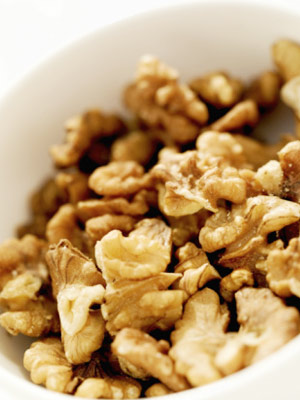
Go Nuts for Walnuts
 Try Blueberries for an Antioxidant Boost

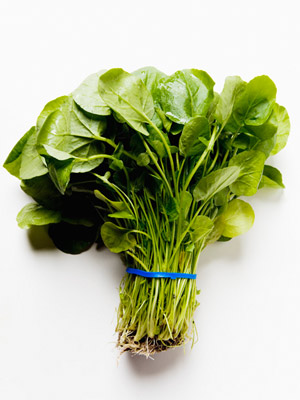
Mom Was Right: Eat Your Spinach
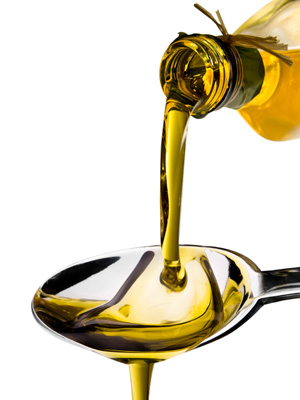
 Use Olive Oil for Heart-Healthy Fat
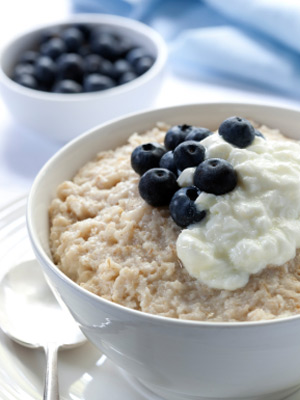
Enjoy Natural Whole Grains for Fiber
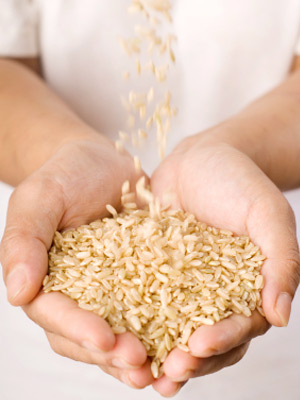
 Opt for Brown Rice Instead of White
Eat Poultry for Lean Protein

 Be Mindful of Other Meats

Substitute Beans for Meat

Dried beans are a great meat substitute. For optimum heart health, at least once a week, base a meal around beans instead of meat. “Beans are non-fat, high protein, and fiber-rich, so they are great heart-healthy foods,” says Neel. One final thought as you cook with beans and other heart-healthy foods is to reduce your salt intake. Too much salt is a major cause of high blood pressure and heart disease. Try using fresh herbs and a little touch of antioxidant-rich lemon juice to flavor your foods in place of salt.
Copyright © 2012 Everyday Health, Inc.

Easy Exercises For Couch Potatoes
Anyone can improve their heart health and enjoy other exercise benefits — even if you spend most of your time on the couch. Get tips to help fitness newbies start exercising.
Convincing yourself it’s time to start exercising should be easy — given that there are many benefits to exercising. But finding an exercise routine that works for you — and beginning it the right way — that can be difficult.
If you try to jump from no exercise to running a mile or two, you’ll likely wind up so sore and exhausted that you give up again. It’s perfectly fine to start slowly with easy exercises — you’ll still get exercise benefits and improve your heart health.
“Recognize that small changes over time can yield big results,” says personal trainer Alice Burron, MS, spokesperson for the American Council on Exercise and author ofFour Weeks to Fabulous. Starting out slowly also enables your body to get used to more physical activity and reduces the risk of injury, she adds.
To start making a difference in your heart health and get the most exercise benefits, put a plan in place and have specific goals in mind. “You will see that, with a gradual start and the right mindset, a fitness routine can significantly improve your cardiovascular health within three months,” says Jonathan H. Whiteson, MD, medical director of the cardiac and pulmonary wellness and rehabilitation program at the New York University Langone Medical Center.
Let’s Start Exercising: First Steps
You don’t need to push yourself to the limit on your first day. “Remind yourself that fitness starts with just doing more today than you did yesterday,” says Dr. Whiteson. “So for the couch potato, even spending 30 minutes doing something active instead of sitting down is the beginning of a fitness program.”
To figure out how much you’re currently moving, pick up an inexpensive pedometer. “Using a pedometer is one of the best ways to start increasing activity,” Burron says. Record your steps for about three days to get an average. Then use that number to set a goal, increasing your steps by 20 percent every day to eventually reach 10,000 steps per day.
“Walking is just one of many choices to get active,” says Burron. “However, it is often a good way to get back into fitness if you’ve strayed.” It’s easy exercise, convenient, and enjoyable.
 Do Activities You Enjoy
Don’t force yourself to run every day if you hate running, and don’t spend hours cursing the elliptical machine or stationary bike at the gym if those workouts don’t appeal to you. “Finding an exercise that you enjoy is a part of a strategy to change lifestyle behavior and stay active throughout your life,” says Burron. “The type of exercise you choose truly affects your motivation to get moving.” Maybe it’s a yoga class some days and tennis or hiking with a buddy on others. Doing a variety of exercises will help keep your workouts fresh and keep you interested.
Easy Exercises at Home and Work
With a hectic work schedule followed by demands at home, it may be hard to squeeze in a trip to the gym. The good news is you may not have to go anywhere to get a good workout. “Any kind of movement can be considered activity and will burn calories,” says Burron.
Try these ways to incorporate easy exercises into your day:
- Park in the back of the parking lot so that you have to walk a little farther to your destination. For an added workout, carry your groceries instead of pushing them in a cart.
- Give your house a really good cleaning. To burn even more calories, sing and dance while you work.
- When you have a choice, use stairs instead of an escalator or elevator. Try to climb stairs quickly instead of taking your time.
- When feasible, walk instead of driving, taking a train, or riding the bus.

- Getting antsy in your chair at work? Fidgeting is fine — and burns calories.
- Use an exercise ball instead of a chair. It forces you to continually contract your core muscles in the abdomen and back to stay balanced.
- Play with your kids — tag is a great game to get the heart pumping.
- Laugh, jump up and down, dance, and just enjoy life.

Exercise doesn’t have to be a chore on your to-do list or something that you dread. If you make choices throughout each day to help you move a little more, your heart will reap the benefits.
© 2012 EverydayHealth.com; all rights reserved.

Hooked On Caffeine?
If you can’t get by without that morning jolt or afternoon pick-me-up, you could have a caffeine addiction. Here’s how you can know for sure.
By Regina B. Wheeler Medically reviewed by Pat F. Bass III, MD, MPH
Do you rely on your morning coffee to get you out the door — and reach for another cup as soon as you get to work? You could be feeding a caffeine addiction. And once you’re hooked, kicking the habit can be tough.
You might not realize it, but caffeine is the most common mood-altering drug in the world. It is a mild stimulant that works on the central nervous system. Just ask any java junkie — caffeine can make you more alert, give you an energy boost, and keep you from snoozing when you need to stay awake.
Caffeine can be found in many products like tea, soft drinks, energy drinks, and some over-the-counter medications, but coffee is the leading dietary source of caffeine among American adults. Generally, three 8-ounce cups of coffee per day is considered moderate consumption and won’t hurt you, according to the National Institutes of Health (NIH). However, excessive caffeine use — more than 10 8-ounce cups of coffee per day — can produce physical side effects including tremors, anxiety, insomnia, and a “crash” of extreme fatigue once the caffeine starts to wear off.

Symptoms of Caffeine Withdrawal
The brain fog and headache that some people get if they don’t have their typical amount of coffee or other caffeinated beverage might actually be a sign of caffeine withdrawal syndrome, according to a recent study.
Researchers at Johns Hopkins University Medical School in Baltimore and American University in Washington, D.C., reviewed 66 experimental and survey studies on caffeine withdrawal. They identified these common symptoms:
- Headache
- Fatigue or drowsiness
- Depression and irritability
- Difficulty concentrating
- Flu-like symptoms, including nausea, vomiting, and muscle aches
Typically, symptoms began 12 to 24 hours after stopping caffeine and peaked within one to two days. Some subjects reported symptoms that were so severe they couldn’t work. Generally, the heaviest consumers of caffeine reported the most bothersome symptoms, but even people who missed 100 milligrams, or one regular cup of coffee, experienced withdrawal symptoms. Study participants agreed that avoiding withdrawal helped motivate them to continue using caffeine.
Caffeine Tolerance Is on the Rise
Daniel Evatt, PhD, research fellow in the department of psychiatry at Johns Hopkins University Medical School, says people can stop feeling the effects of caffeine, or become tolerant, leading to the need for more and more to feel alert. But Dr. Evatt also points out that most people find a comfortable level and stick with that. “It usually doesn’t keep going up forever, and not all caffeine users develop tolerance.” However, high doses of caffeine (more than 750 milligrams over the course of every day) can produce complete tolerance. That means the drug no longer has a discernible effect.
The Warning Signs of Caffeine Addiction
Experiencing withdrawal symptoms and tolerance are signs that you are becoming physically dependent on caffeine, Evatt says. He also notes that if you are experiencing the following signs and symptoms, you may have developed an unhealthy caffeine addiction:
- You experience insomnia, frequent headaches, or difficulty concentrating
- You continue to use caffeine despite being told to stop by a health professional
- You have difficulties cutting down or quitting even if you want to
The Diagnostic and Statistical Manual of Mental Disorders (DSM-IV) doesn’t recognize caffeine addiction as a mental disorder, but it may be included in the updated DSM-V. The World Health Organization’sInternational Statistical Classification of Diseases and Related Health Problems (ICD-10) does recognize caffeine addiction as a disorder.
Kicking the Caffeine Habit
Evatt is part of a Johns Hopkins team working on a caffeine dependence treatment program. If you want to quit, “I would first recommend becoming aware of how much caffeine you are consuming daily,” Evatt says, adding that many people underestimate their use. He advises people against trying to quit caffeine cold turkey. “Withdrawal headaches can last days in some individuals,” he says. Instead, cut down slowly to lessen withdrawal symptoms.
The American Dietetic Association gives these tips for cutting down on caffeine:
- Mix decaffeinated coffee in with regular coffee
- Drink a latte with more low-fat milk than coffee
- Brew tea for less time
- Pick soft drinks without caffeine
If these measures don’t work and you think your caffeine consumption is turning into a troublesome caffeine addiction, it might be time to find an addiction specialist for treatment.
Copyright © 2012 Everyday Health, Inc.

The Best-Tasting Juice Cleansers
Someone has bottled Gwyneth Paltrow’s magical glow, and now we’re all drinking the Kool-Aid. And yes, we’re literallydrinking it.
Juice cleanses have become so ubiquitous that, despite their exorbitant price tag, consumption has extended beyond celebrities to us regular folk. Though the health benefits of a detox cleanse have been debated, everybody’s trying it anyway. Sure, there’s the promise of feeling better, looking brighter and younger, and functioning like a well-oiled machine , but let’s be real. You’re really doing a cleanse because you want to drop a few pounds.
Here’s what we really want to know: Do any of these cleanses taste good enough and satisfy us enough to be worth some major dough and food deprivation? Is anythingworth food deprivation? Because I’ve got a homemade blueberry pie on my counter, and you’re going to have to pry it out of my cold, dead hands.
Health claims aside, we’re here to see how drinkable these cleanses are. If the juice doesn’t taste good, chances are you’ll end up throwing money down the drain, along with that putrid cabbage-kale juice.
First of all, a quick education on how cleanses work. Most juice cleanses consist of six juices a day, which are delivered fresh to your door. These aren’t your typical Mott’s apple juices — they’re pressed, raw, unpasteurized juices made from fruits and vegetables, with no sugar added. Start the cleanse immediately, because the juices’ nutrients allegedly begin to deteriorate after three days (with the exception of BluePrint, which lasts six days). Drink a bottle of the juice every two hours, with a glass of water in between, and eat absolutely no food — herbal tea is your only other allowance (not even gum!). The typical cleanse lasts three days, but you can tinker with the length of the duration. The cost, on average, is $75 a day. Yep, you read that correctly.
We conducted a taste test of the five major brands that will ship their juices directly to your home, no matter where you live (as long as it’s in the United States, that is). Despite our worst fears, we found we actually enjoyed the flavors across the board, making the prospect of a cleanse seem almost realistic. A juice with red cabbage in itactually tastes like a popsicle. Would we want to drink these juices all day long? Sure we would. But there are some differences from brand to brand, so we’ve put together a tasting guide in the slideshow below. Check it out to see which cleanse best suits your taste buds.
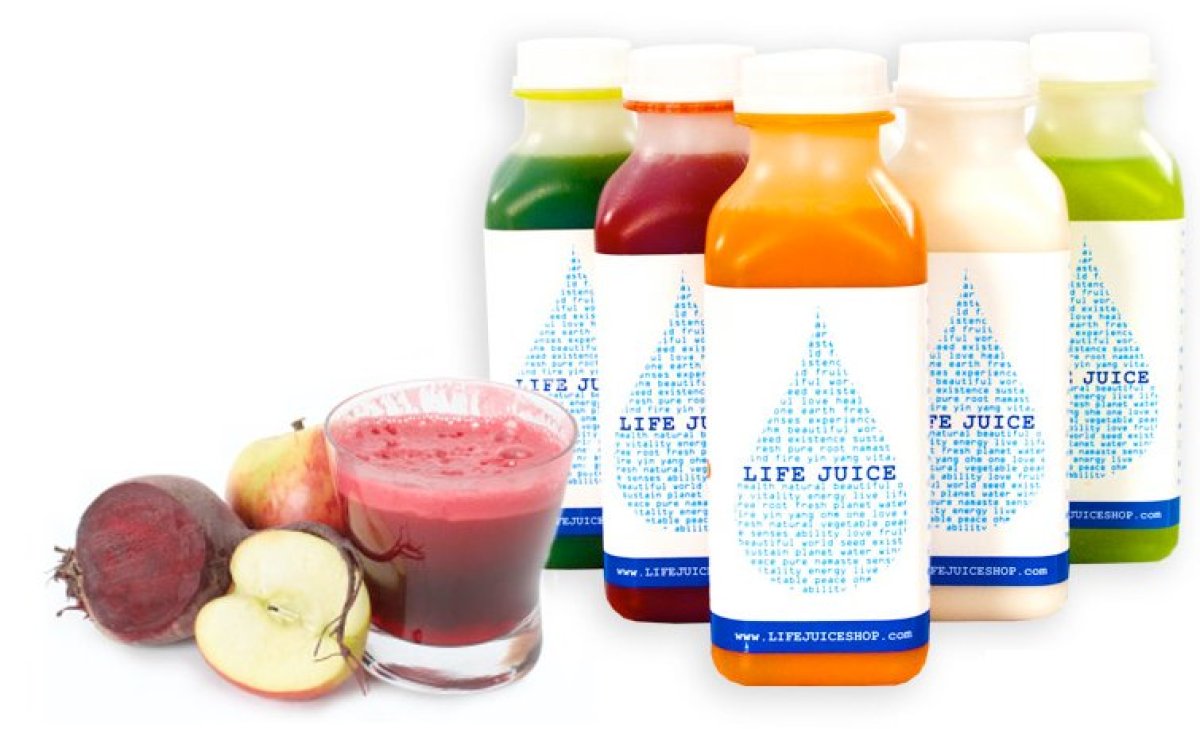
#1: Life Juice
Cost per day: $60
Lasts: 3 days
lifejuiceshop.com
Comments: “Happy Belly has red cabbage in it, which scared me, but it actually tastes like a popsicle. Amazing.” “The carrot in the Energizer Bunny is outstanding. So fresh and smooth.” “Good juices. All bright and tasty.” “Beautiful colors! Each one was very distinct. Happy Belly was amazing. Only the Alkaline Blend wasn’t delicious.”
 #2: Cooler Cleanse
Lasts: 3 days
Celeb fan: Salma Hayek
coolercleanse.comComments: “Steer clear of the Essential Greens, but everything else is good.” “The almond nut milk is like a vanilla milkshake!” “I would die for this almond nut milk — the best nut milk of all the cleanses.” “Strong flavors! I would drink some of these every day.”
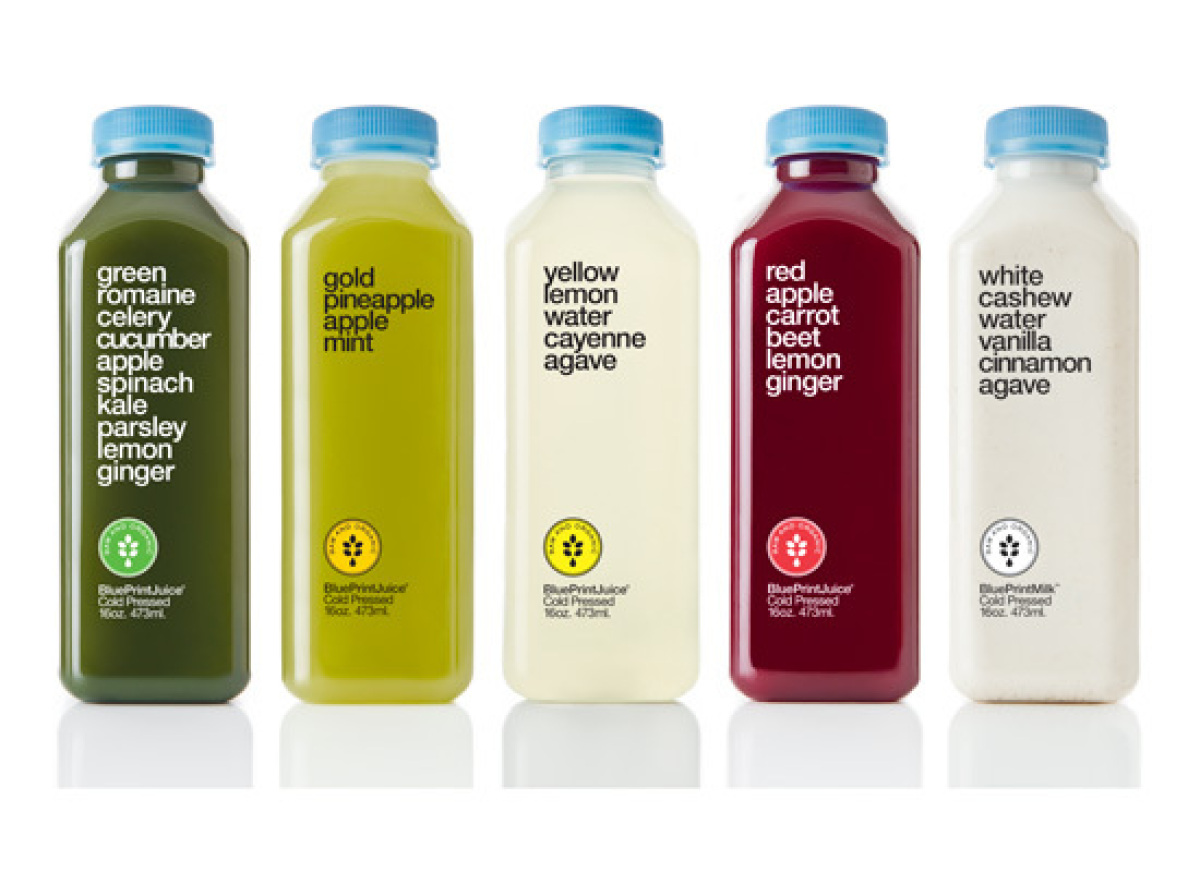
Lasts: 6 days in refrigerator
Celeb fans: Olivia Wilde, Bethenny Frankel, Julia Stiles
blueprintcleanse.comComments: “The white cashew juice tastes like a milkshake.” “The red is intensely delicious.” “The green juice is a little more bitter than other brands.” “The green juice is a little muddy, almost swampy.” “The gold pineapple mint is outstanding — but I’d rather have it in a cocktail.” “I just wish the taste of the cashew milk were a little sweeter.”
 #4: Ritual Cleanse
Lasts: 4 days
Celeb fans: Kim Kardashian
ritualcleanse.comComments: “The almond mylk reminds me of horchata.” “There’s hardly any difference between the sweet greens and the green lemon, but they’re both delicious and fresh.” “The nut drinks are both way too gritty.” “Very austere. I definitely couldn’t maintain this.” “The vegetable-based drinks are a little depressing, but the fruit drinks are delicious.”
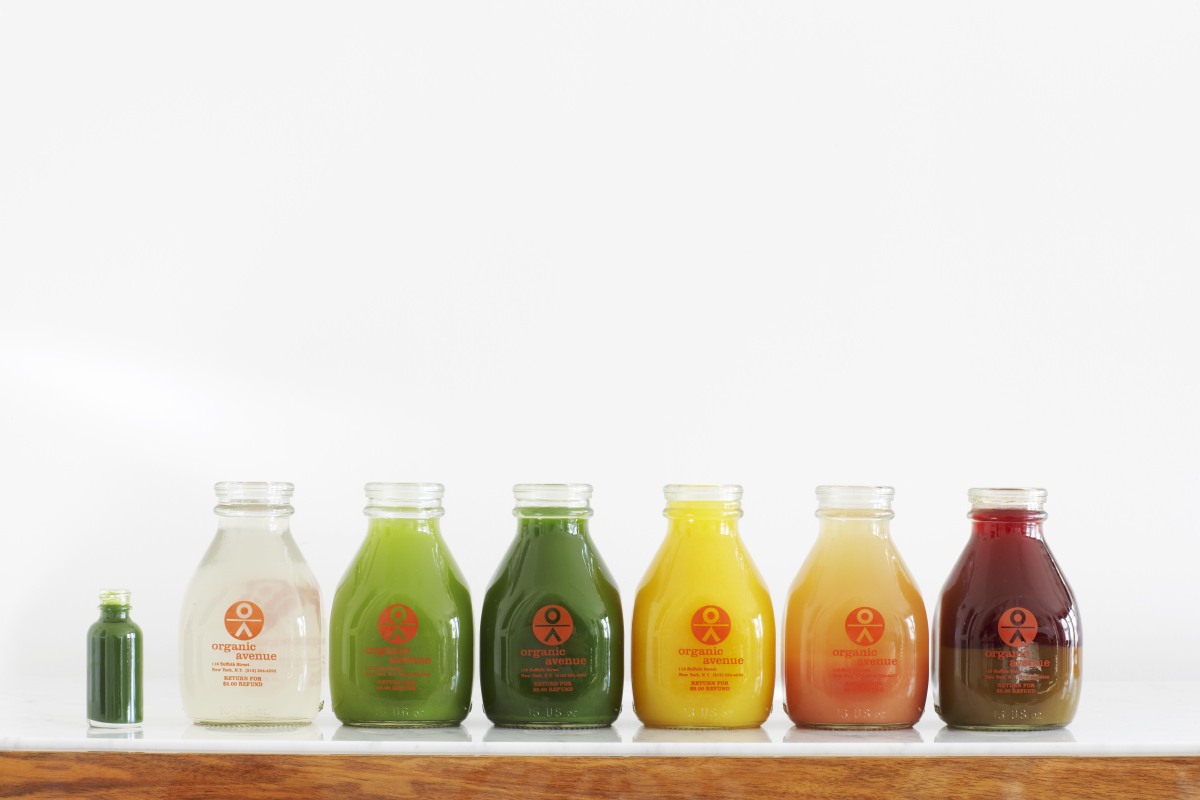
Lasts: 3 days
Celeb fans: Gwyneth Paltrow, Liv Tyler, Mary-Louise Parker
organicavenue.comComments: “The pear juice is outstanding and very sweet, but thin.” “Nothing exciting, but drinkable.” “Thumbs down on the almond milk.” “The cucumber juice tastes just like … cucumber juice.” “The juices are a little bland, but not unpalatable.” “Both green juices are pretty foul.”

How Much Salt Is In That?
There’s no gentle way to say this: we eat entirely too much salt. As part of the Dietary Guidelines for Americans, the USDA recommends a maximum of 2,300 mg of daily sodium — what correlates to about one teaspoon of salt — and the majority of us get about 3,400mg.. And for senior citizens, African-Americans and those at risk for hypertension, the disparity is even more extreme; for them, the USDA recommends just 1,500 milligrams each day.
But where does all that excess salt come from? Processed food. The sodium in everyday packaged, bottled and canned items is insidious: we have no sense that we’re eating something loaded with sodium, and yet the proof is on the packaging. We’ve all heard before that things like canned soups and some canned meats are salt-heavy, but what about breakfast cereals, bread and even sweet drinks?
Think you can pick out the hidden salt among these common grocery items? Try out this quiz:
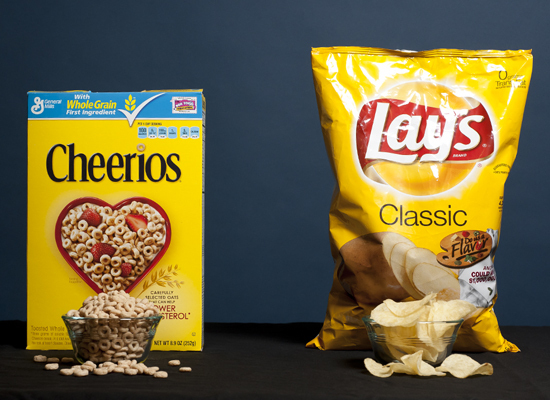
1. Which has more sodium, a one-cup serving of Cheerios or a 15-chip serving of Lay’s Classic potato chips?
( ) The chips
( ) The Cheerios
( ) They’re about the same (within 10 mg)
Answer (They’re about the same): Your bowl of cereal in the morning might not feel like a salty treat, but it’s packed with 160 mg of sodium. The chips have 170 mg in a one-ounce serving. But that’s not an excuse to eat potato chips for breakfast — 15 of the Lays have 160 calories and a whopping 10 g of fat (Cheerios sans milk have 100 calories per serving and 2 g of fat).
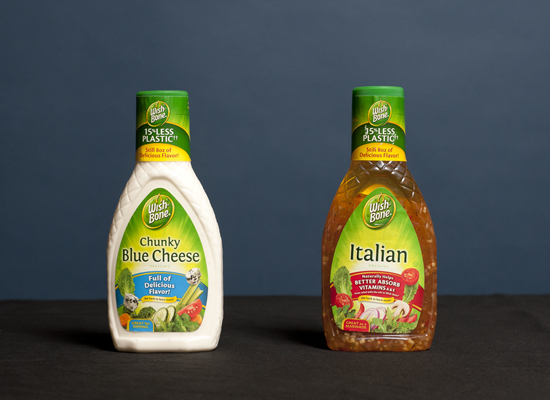
2. Dressing face-off: Which has more sodium per two tablespoon serving?
( ) The Wish-Bone Chunky Blue Cheese dressing
( ) The Wish-Bone Italian dressing
( ) They’re about the same (within 10 mg)
Answer (Wish-Bone Italian Dressing): The Italian dressing has 340 mg of sodium, while the blue cheese has 270 mg. We know vinaigrettes are often the lower-cal, lower-fat dressing option compared with their creamy counterparts — but don’t forget to check sodium levels, too, when evaluating your nutrition labels. Or, why not make your own at home?

3. The amount of salt in a slice of this Sara Lee Classic New York Style Cheesecake adds up to how much of your recommended daily intake?
( ) 12 percent
( ) 22 percent
( ) 32 percent
( ) 42 percent
Answer (42 Percent): It might be dessert, but that doesn’t mean it’s not loaded with sodium. Each piece also packs 480 calories and 29 grams of fat.

4. Condiment reality check: Two tablespoons of Heinz tomato ketchup has how much sodium?
( ) 80 mg
( ) 160 mg
( ) 320 mg
Answer (320 mg): While a one-tablespoon-sized serving has 160 mg (still high at 7 percent of your recommended intake), a more realistic (at least on our plates!) two-tablespoon portion has 320 mg.
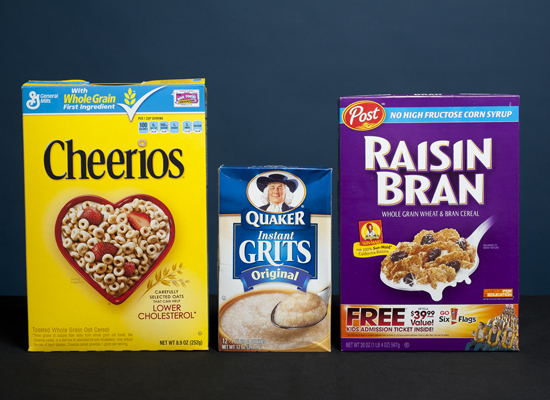
5. Which breakfast item has the most sodium?
( ) A one-cup serving of Cheerios
( ) A one-packet serving of Quaker Instant Grits
( ) A one-cup serving of Raisin Bran
Answer (One packet of Quaker instant Grits): While all the breakfast items have some positive nutrition characteristics (the grits are high in iron, the raisin bran is loaded with fiber and the Cheerios have heart-healthy whole grains, to name a few of the most notable), the grits are loaded with the most sodium. They have 310 mg in one serving, compared with 160 mg in the Cheerios and 250 mg in the Raisin Bran.

6. Yup, drinks have sodium, too — in fact, all three of these do. Which is the worst offender?
( ) A bottle of Nesquik Chocolate Milk
( ) A bottle of Snapple Pink Lemonade
( ) A can of Starbucks Double Shot Energy, vanilla flavor
Answer (A bottle of Nestlequik Chocolate Milk): At first blush, the Starbucks can and the Nesquick seem neck and neck, but there’s actually two servings in the chocolate milk bottle. And that brings the grand total for the whole thing up to 320 mg. The Starbucks and the Snapple have 180 mg and 85 mg, respectively.

7. Which has more sodium, a Weight Watchers Blueberry Muffin or a Pepperidge Farm Puff Pastry Turnover?
( ) One muffin
( ) One turnover
( ) They’re about the same (within 10 mg)
Answer (One Muffin): They might be a “diet” food, but that doesn’t mean the muffins are low in sodium. While they trump the pastries in terms of fewer calories and grams of fat, they have 270 mg of sodium, compared to 230 mg in the turnover.

8. Chocolate showdown: Which single serving size has the most sodium?
( ) One pack of Oreo Cakesters (two cakes)
( ) Four Entenmann’s Pop’ems donuts
( ) One Klondike sandwich
( ) One Jell-O sugar-free chocolate pudding cup
Answer (Four Entenmann’s Pop’ems donuts): The donuts take the cake for this one — though all four treats have sodium. The Cakesters have 250 mg, the Entemann’s donuts have 310 mg, the Klondike bars have 150 mg and the JELL-O pudding has 180 mg.

9. Which cup contains a serving of peanut butter, with 170 mg of sodium?
( ) One tablespoon (left)
( ) Two tablespoons (center)
( ) Four tablespoons (right)
Answer (Two Tablespoons): Here comes the portion police: just two tablespoons of peanut butter comprises a serving, which has 170 mg of sodium and also 180 calories and 12 g of fat.

10. Which has more sodium?
( ) Breakstone’s 2% Milkfat Lowfat Cottage Cheese
( ) Philadelphia Regular cream cheese, salmon flavored
Answer (Breakston’e 2% Milkfat Lowfat Cottage Cheese): While the cottage cheese has more protein and less cholesterol, it also has more sodium — 340 mg per 1/2 cup serving. The cream cheese has 210 mg per 2 tablespoon serving.

11. When it comes to sodium, what percent of your recommended daily intake does a whole package (three cups) of this rice pilaf have?
( ) 30 percent — about enough for a day
( ) 100 percent — about enough for a whole day
( ) 120 percent — enough for a whole day … and then some
Answer (120 percent): One serving (about one cup) of this rice pilaf has 970 mg of sodium, or 40 percent of your recommended daily intake. Triple that to eat the whole box, and you’ve exceeded a whole day’s worth.

12. Potato chips vs. Goldfish crackers: Which snack has more sodium?
( ) One serving (15 chips) of Lay’s Classic potato chips
( ) One serving (55 pieces) of Pepperidge Farm Goldfish Baked Snack Crackers, cheddar flavor
( ) They’re about the same (within 10 mg)
Answer (One serving of Pepperidge Farm Goldfish Baked Snack Crackers): The crackers might be baked instead of fried, but that doesn’t mean they have less sodium than fried potato chips — one serving is loaded with 250 mg.
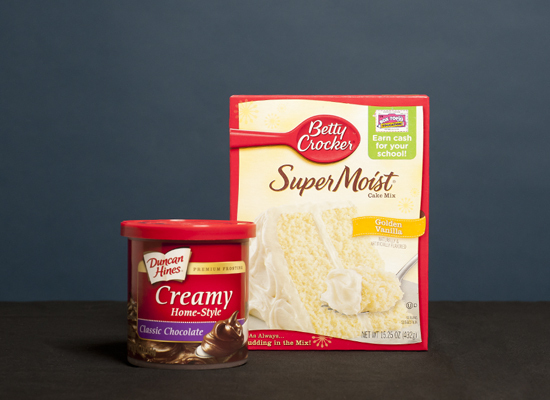
13. Think sweets don’t have sodium? Think again — how much will a slice of this cake (1/10 of the whole thing) and two tablespoons of frosting set you back when it comes to sodium?
( ) 110 mg
( ) 210 mg
( ) 310 mg
( ) 410 mg
Answer (410 mg): Yup, that’s right — the cake alone has 13 percent of your daily sodium intake — before the icing, which clocks in at about 100 mg.
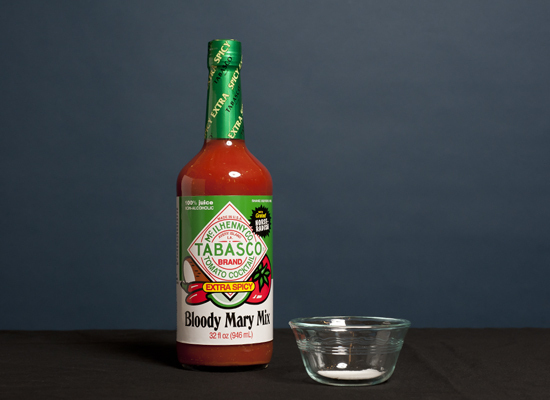
14. Thirsty? A one-cup serving of this Tabasco brand Bloody Mary Mix has 70 calories … but how many mg of sodium?
( ) 19 mg
( ) 190 mg
( ) 1,900 mg
Answer (1,900 mg): You may want to hold off your “cheers” until you read this — just one cup of the mix has 1,900 mg of sodium, which is almost 80 percent of your recommended daily intake.

15. Which breakfast item has the most sodium?
( ) One Thomas Cinnamon Raisin bagel
( ) Two Kellogg’s Eggo Homstyle waffles
( ) One Pillsbury Reduced Fat Cinnamon Roll, with icing
Answer (One Thomas Cinnamon Raisin bagel): All three of these have a similar amount of sodium — the bagel, waffles and cinnamon roll pack 380 mg, 370 mg and 340 mg, respectively. But the bagel (and that’s sans cream cheese) still has the most.

15 Best Snack Foods for Diabetics
Healthy snacking doesn’t have to be boring
Portion sizes are key. Keeping the glycemic load down (a measurement of how much food spikes blood glucose levels) means cutting down on portion sizes, since the measurement accounts for the number of grams of carbohydrates per serving of a food item, which of course will increase with portion sizes. Eating huge portions of even healthy snacks can quickly turn them unhealthy.
Snacks between meals can help you reduce portion sizes at main meals and also keep blood sugar levels more stable throughout the day. This can keep you feeling energized and in a good mood as you go about your day.
To help control portion sizes try using small plates, consuming plenty of water while snacking or during meals, and limiting snacks to 100-calorie portions, when feasible, and otherwise just avoiding the habit of eating out of the package.
It’s not just about portion sizes, though. At each snack, protein is critical to slow down blood glucose absorption and prevent sugar spikes.
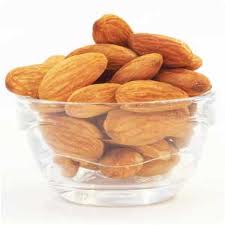
Lori Kenyon, certified nutritional consultant, says that raw almonds and cashews are high in protein and fiber, making them a very satisfying treat. One 1-ounce serving, or 24 to 28 medium-sized nuts, has around 170 calories, 5.5 to 8 grams of carbohydrates, and almost no transfat.
 2. Jicama
Kenyon also recommends jicama to her clients. Jicama is a root vegetable that is super tasty raw or cooked. After peeling, you can slice it into sticks and then refrigerate until cold. Either dash the slices with diced red pepper or hot spices for a kick, dip into salsa or your favorite hummus, or grill or bake it with a little olive oil to make a diabetic-friendly french fry. Eat your fill, since each ounce of jicama has only 11 calories, 2 grams of carbohydrates, and 1 gram of sodium.
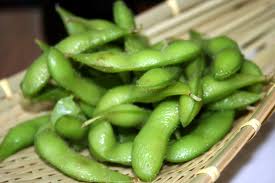
Edamame are also a favorite of Kenyon’s. She says one 1-ounce serving of this tasty snack has only 34 calories, 1 gram of fat, 3 grams of carbohydrates, 2 milligrams of sodium, and 3 grams of protein. You can boil and eat them alone or toss some into a blender or food processor with a little olive oil and seasonings to make a tasty dip or spread to pair with raw veggies.
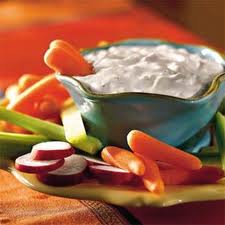 4. Veggie Slices with Dip
Kenyon says that similar to jicama, zucchini and yellow squash can be sliced like french fries, chilled, and then dipped in salsa or hummus for a tasty treat that satisfies cravings. One cup of yellow squash has 18 calories, 0.2 grams of fat, 3.8 grams of carbohydrates, 2 milligrams of sodium, and 1.37 grams of protein. One tablespoon of salsa adds around 5 calories, 0 grams of fat, 1 gram of carbohydrates, 96 milligrams of sodium, and 1 gram of protein.

If you are hankering for a mini meal, make yourself a salad with plenty of greens, and be sure to add black beans for the filling combination of fiber and protein. Half a cup of the below recipe, added to mixed greens, has 57 calories and 11 grams of carbohydrates.
Rinse a 15-ounce can of low-sodium black beans under running water and drain well. Mix the beans with ½ cup of: chopped tomatoes, chopped cucumber, chopped green bell pepper, and peeled and cubed avocado. Stir in 2 teaspoons fresh lime juice and ¼ teaspoon garlic powder, and season with salt and pepper, to taste.
 6. Olives
Stella Metsovas, certified clinical nutritionist, recommends olives of all varieties — such as Kalamata olives — as they are perfect options when combined with vegetable sticks. The fiber in the vegetable sticks and fatty acids in the olives are a win-win combination for diabetics.

Metsovas says that shredded coconut works very well mixed into smoothies, as well as combined with fresh blueberries. Coconut helps maintain consistent blood sugar, and the antioxidants found in blueberries helps with free radical damage caused by high blood sugar.
 8. Whole-Wheat Pretzels
Angela Shelf Medearis, author of The Kitchen Diva’s Diabetic Cookbook, recommends staving off hunger with this low-calorie snack. According to SelfNutritionData, one 1-ounce serving contains just more than 100 calories and only 1 gram of fat. It also contains 3 grams of protein and 2 grams of fiber to help keep you feeling satisfied.
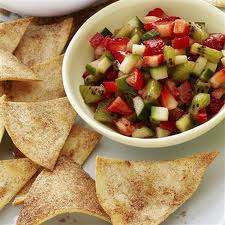
So you’ve made a diabetic-friendly, low-calorie salsa with fresh ingredients. But, what do you do now? Obviously, you’ll need to scoop it up with something. Medearis recommends baked tortilla or pita chips, which are lower in fat than their fried counterparts.
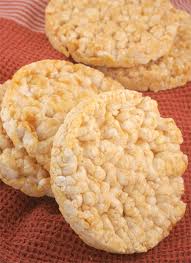 10. Rice Cakes
Medearis says rice cakes are delicious with low-fat toppings like spicy mustard or salsa.

Air-popped popcorn is a healthy alternative to regular popcorn. Medearis recommends spicing up air-popped popcorn with a little cayenne or garlic powder.
 12. Cottage Cheese
Lisa DeFazio, R.D., celebrity diet expert, suggests combining ½ cup cottage cheese with one piece of fruit such as a small banana or nectarine for the perfect combination of carbs, fiber, and protein. She says that about 15 grams of carbohydrates per snack with a little protein and fat is ideal.

DeFazio also suggests high-fiber cereals such as bran flakes or shredded wheat with ½ cup of low-fat milk, perfect for quelling mid-morning hunger pangs.
 14. Greek Yogurt (Pops)
Stacie Castle, R.D., CDN, has more than 25 years of experience in her field and is co-author of the food journal and nutrition guide Bite It & Write It! One easy-to-make snack that Castle suggests is one 6-ounce container of nonfat Greek yogurt combined with ½ cup blueberries and 1 teaspoon agave syrup for a hint of sweetness without going over the top on calories. You can also blend these ingredients together and freeze into an ice pop for a nice, cool, refreshing treat.
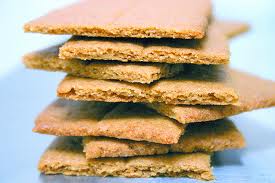
Got the munchies just before bed? It happens to all of us. Castle suggests dipping 1 ½ sheets whole-wheat graham crackers into 4 ounces of 1-percent milk (instead of cookies, of course).
Copyright 2012 Spanfeller Media Group, Inc. All Rights Reserved.
The Daily Meal is a registered trademark of Spanfeller Media Group, Inc

10 High Cholesterol Foods To Avoid
You don’t have to be a nutritionist to know that unhealthy foods like French fries and fried chicken are bad choices to eat on a regular basis. They’re loaded with sodium, fat, and cholesterol — but do you know just how much they contain?
According to the American Heart Association, a diet that is high incholesterol, saturated fats, and trans fats raises blood cholesterol levels and puts you at risk for heart disease. Saturated fats are found in foods like meat and dairy products that come from animals, while trans fats lurk in baked goods and fast foods.
Here are some obvious and not-so-obvious high-cholesterol food choices — most of which are also high in unhealthy fats.
 What’s for Breakfast?
A Cheeseburger Is Not Paradise

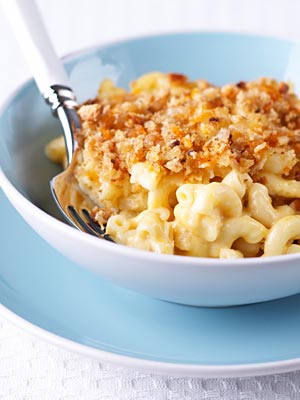
 Macaroni and Cheese
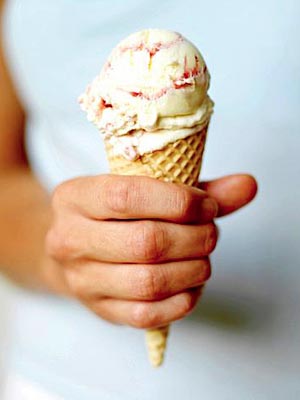
Ice Cream for Dessert?
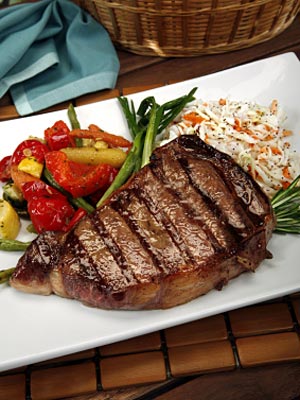
 What’s Better Than a Rib-Eye Steak for Dinner?
Do You Really Want That Muffin?

 Seafood: Is It a High-Cholesterol Food?
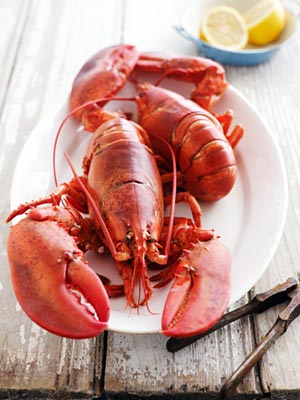
Even Chicken Can Be a High-Cholesterol Food

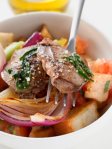 Just Say No to Liver

Snacks Also Count as High-Cholesterol Food


Why Antioxidants Are Vital To Your Health
Antioxidants have gotten a lot of good press over the past decade or so. The more we learn about them the more we realize just how essential they are to good health. Among the things we know they do: fight disease, boost the immune system, nourish healthy skin, fight the effects of aging, preserve or restore heart health, increase stamina, kick start your energy, and combat cancer. Scientists are still discovering all of the things antioxidants can do.
After 40
 Why do we age? And, more importantly, why do we have to look old as we age? One theory of aging that is gaining a lot of traction today is the free-radical theory of aging (FRTA). Free radicals are rogue, unstable molecules that cruise around the body. Because the free radicals are unstable and off-balance, they seek to attach themselves to more stable molecules, including the cells of your skin, your heart, your lungs, and other important body areas. But once the free radical gloms onto the healthy molecule, it creates damage. So now you no longer have a free radical, but you do have a damaged cell. Everybody has free radicals, even babies. The miraculous human body contains many built-in systems aimed at keeping these rogue molecules in check and destroying them. But sometimes the free radicals overwhelm the body’s natural defenses. This can happen when you get sick, you are overly stressed (including being tired), or you do not nourish your body properly. Many foods are just loaded with free radicals, so you could be doing some of this damage with your own fork. One other thing that can cause the free radicals to go haywire—age. As we get older, our bodies’ natural defense systems get weaker. The FRTA theory states that over time, damage from free radicals builds up and we start to look and feel old. Antioxidants are substances that take out free radicals. Free radicals are unstable oxygen molecules and the very name antioxidant tells us that these substances are “anti” free radicals. Antioxidants wipe out free radicals and, in so doing, may reduce the signs of aging, preserve health, boost the immune system, raise our energy level, and make us feel good.
Seven Good Food Sources For Antioxidants
So now you need to know: just where can I find these antioxidant free-radical-busters? Three of the best known antioxidants are vitamins A, C and E, but did you know that there are more than 4,000 compounds that have antioxidant properties in the foods that we eat? That’s right, many foods contain antioxidants. And, no, these foods are not cheeseburgers and Twinkies. There are lots of benefits to eating a healthful diet, and top on the list has to be that you get plenty of natural antioxidants. Here are the big seven antioxidant-rich foods.
 Berries
All kinds of berries are good sources of antioxidants; Blueberries, raspberries, blackberries, strawberries and cranberries. The best way to eat these are fresh or frozen (frozen is nearly as good as fresh). Strawberry jam or strawberry flavoring doesn’t count—these have sugar and sometimes chemicals in them. Stick to natural food and eat it as close to its natural state as you can to get the maximum antioxidant punch.
Broccoli
Broccoli is powerhouse of a vegetable. Besides its high amount of vitamin C, it also supplies calcium, minerals and other vitamins. It can be eaten raw, steamed, boiled, roasted (try roasting it in the oven), or even juiced.
 Beans
Beans
Small red beans are rich in several nutrients including iron, magnesium potassium, copper, thiamin and phosphorus. Other beans with high antioxidant content are pinto, black and kidney beans.
Nuts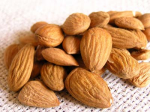
Almonds, hazelnuts, pistachios and walnuts are high in antioxidants. They’re also cholesterol-free and low in sodium. They can be high in calories, so you cannot overdo them. However, adding some nuts to salads or taking a handful of almonds as a mid-afternoon snack is a great idea that gives you an antioxidant kick.
 Veggies & More
Berries are the antioxidant king of the fruit world, but most fruits contain lots of antioxidants. Apples (eat the peel), cherries, pears, peaches, plums, red grapes, pineapple, kiwi, orange, and grapefruit are all excellent sources of antioxidants. Broccoli is the standout in the vegetable world, but nearly all veggies contain some antioxidants, with carrots, tomatoes, sweet potatoe, spinach, and potatoes particularly high in antioxidant content. Remember; eat the veggies as close to natural as you can. French fries are not a good source of antioxidants!
Green Tea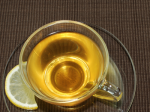
It is hard to go wrong with a few cups of plain green every day. This super-drink contains lots of vitamin C and many other powerful disease-fighting substances. This is an antioxidant cocktail and the best part … zero calories and a boost in hydration.
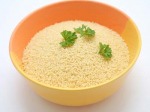 Grains
Just about any whole grain (whole wheat, whole rye, brown rice) contains a lot of antioxidant goodness. Oat based products are thought to have higher amounts of antioxidants than other grains.
Copyright © Beliefnet, Inc. and/or its licensors. All rights reserved.

9 Tips: Balanced & Harmonious Weight Loss
 Our Lady of Weight Loss, the patron saint of permanent fat removal (she who guides me) is serious about weight loss, but not heavy!
She asked me to share the following 9 tips with you that she feels will surely up your energy, keep you focused, and help you to create a balanced and harmonious life.
9 Tips : Balanced & Harmonious Weight Loss
1. Balance & Harmony: Permanent weight loss is about living a balanced, harmonious life. It’s about looking at all areas of your life — physical health, mental health, relationships, finances, career, fun, creativity, spirituality, physical environment, time — and creating them so that they support you to have the best life ever.
Focusing only on weight loss will not serve you well. You may lose it; but without creating balance and harmony in all areas of your life, you will in all likelihood find it again.
We’re talking permanent weight loss here!
2. Commitment: Make a commitment to you, all of you, every aspect of you. Losing weight won’t fix what’s wrong with your finances. Gathering buckets of money won’t help you to lose weight. Commit to giving yourself the best life that you can. Do this for you and your body!
3. The Scale: Do not get hung up on the number on the scale. Do you know what the scale really measures — scientifically that is? Every object in the universe with mass attracts every other object with mass. (Some more massive than others!) Therefore, there is a pull — a force — an attraction between you and the Earth. Your bathroom scale measures gravitational pull!
Nowhere in scientific date — that I could find — does it state that the scale measures hideous fat. Nor does it say that you are bad!
4. Visioning: Envision your compelling future. What would you ultimately like your life to be like? See every detail. From where you would live, what you would do, what you are wearing! See, feel, hear and smell life! (Perhaps the honeysuckle in the air; or the slicing of a lemon.)
5. Safe Haven: Keeping your home clear of the Devil’s Food, red light items, things that send you off on a binge is essential! Making your home a safe haven affords you an opportunity to establish healthy, solid habits. It is essential that you create an environment that supports your permanent fat removal efforts; a place where you are as free as possible from excessive food thoughts.
6. De-Clutter. I’ve been both organized and disorganized, I can tell you the first way is the better way. Not only do you not waste time endlessly searching for stuff, but there’s a mysterious calm one finds in organization.
7. Be Imperfect. There is no need to be perfect. It would be unbelievably boring if we were perfect. So dry, unpleasant, Stepford Wife-like that we would seek imperfection. Revel in your imperfection.
8. Be Your Passion. Jump head first into the thing you love to do the most. Life will improve in ways you never imagined. You will be focused on what you love, feel less-stressed, be more productive, procrastinate less. The energy will shift dramatically. Can you feel it now?
9. Wake Up. You are 25 times more open to suggestion as you wake. Pay attention to what thoughts first surface, and if these first thoughts are not helpful, simply turn them around. Repeat your positive thought(s) a few times. Hold on to those good feelings for a moment or two. And then, ‘see’ the thought and imagine carrying this thought with you throughout the day.
Spread the SUNSHINE … NOT the icing!
Janice
Life & Weight Loss Success Coach
wise * fun * utterly useful
Copyright © Beliefnet, Inc. and/or its licensors.

30 Summer Foods For Weight Loss
Strawberries: Who can resist a bowl of juicy red berries? Pop ’em freely, because they’re the perfect summer snack: filling, light on 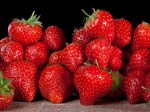 calories and laden with nutrients from omega 3 fats to cancer-fighting polyphenols. Just half a cup of strawberries provides over 70 percent of your daily Vitamin C, plus fiber and an array of antioxidants.
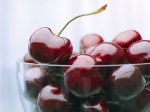 Cherries: Sweet, juicy cherries contain just 87 calories per cup — and if you enjoy them three times weekly in place of heavier desserts, you could shed up to five pounds this summer alone, say researchers at the University of California, Los Angeles. Bonus: Cherries are loaded with anthocyanins — antioxidants that University of Nebraska researchers say can help kill cancer cells and lower your liver’s production of artery-clogging cholesterol by as much as 10 percent.
Plums: “Whether eaten whole, dried or pureed into sauces, plums are low in calories and a good source of both dietary fibers and Vitamin C,” says Keller. Dried plums (also known as prunes) are the perfect grab-and-go healthy snack, and they make a rich, sweet dessert when stewed into compote. Plus, they can help suppress appetite thanks to their low glycemic load.
 Squash: From pattypan to zucchini, summer squash delivers major vitamins and nutrients (including magnesium, potassium and copper), to the tune of a mere 80 calories per half cup. With its bright colors and earthy flavor, squash makes the perfect side dish to any meal. On BBQ days, toss zucchini on the grill.
Bell Peppers: “Sweet red peppers are such a good source of beta carotene, and top the charts of vegetables for that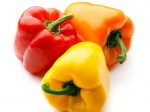 important antioxidant,” says Keller. “Green bell peppers also contain generous amounts of Vitamin C.” Peppers, like zucchini, grill up beautifully…for a rich, colorful side dish that fills you up on just a few calories.
 Mangoes: Dense with antioxidants — plus protein and omega 3 fats — mangoes are a delicious, low-calorie way to bulk up meals with exotic flavor, ensuring “healthy” fare doesn’t fall into a rut. Toss on top of oatmeal or yogurt, in salads and even in stir-fries.
Parsley: This often-overlooked herb is packed with slimming potential. According to USDA researchers, each cup contains 984 micrograms of vitamin K — a nutrient that prevents fluid retention and flushes out bloat, helping women shed three pounds of excess water weight if they serve it up daily. Use parsley to add a seasonal flare to salads, and add it to dressings, mayonnaise, omelettes, rice and potato dishes, soups, burgers and other main course meals to balance and brighten their natural flavors.
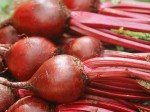 Beets: “One of the real gems found in beets is the B vitamin folate,” a key nutrient for women, says Keller. “Beets help protect against heart disease, birth defects and certain cancers, especially colon cancer.” Naturally sweet and agreeably buttery, beets can turn a salad into something special without adding lots of calories
Figs: “If Mother Nature had a vote for her ultimate superfruit, figs would be it,” says Dr. Paul Gross, author of Superfruits. And why not? They pack fiber, potassium, folate and vitamins for heart health into one incredibly sweet, low-cal fruit. Having been around for 6,000 years, figs might have even kept Cleopatra trim. For a snack that sticks with you, try the black mission figs — the seeds release even more nutrients and omega fats then the flesh itself.
 Blackberries: The superstars of the slimming fruits, blackberries contain just 62 calories per cup, they’re packed with six grams of appetite-taming fiber, plus they’re low in sugar, fat-free and packed with berry flavor! Even better, they’re a great source of manganese — a tough-to-find mineral that helps muscle cells soak up and burn fats — all-told, helping women shed up to 14 pounds per year, if they enjoy one cup daily, say University of Maryland researchers. Bonus: Tufts University research shows that blackberries contain 220 percent more cancer-fighting antioxidants than even broccoli.
Garlic: Sneak one clove into a meal, and your hunger pangs could disappear within 10 minutes of enjoying the first few bites,  according to studies at Chicago’s Smell and Taste Treatment and Research Foundation. “The enticing odor of garlic activates the hypothalamus — your brain’s satiety center — helping you feel genuinely full long before your tummy is uncomfortably full,” says lead researcher Alan Hirsch, M.D. Bonus: A University of South Carolina study shows that eating just one clove of garlic daily can slash your risk of stomach cancer by 30 percent. Credit goes to garlic’s allicin and quercetin — powerful antioxidants that shuts down the growth of suspicious cells in the digestive tract.
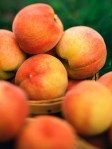 Peaches: Why pass up dessert when the “stone fruits” of summer (think peaches and nectarines) can make for a guilt-free sweet treat? Tossed on the grill, peaches and nectarines get even more flavorful as the heat caramelizes their natural sugars. Top with low-fat ice cream, and you won’t feel one bit deprived.
Pluots: These tasty fruits (which are sometimes sold under the name dinosaur eggs due to their odd coloring) are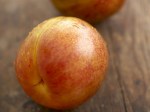 actually part plum and part apricot. And if a sweet tooth is killing your efforts to stick to a healthy diet, enjoying two of them daily could be your ticket to slim. Pluots have an intense, sweet flavor and delicate, fruity scent — and when their distinctive taste and smell reach your brain’s olfactory nerve, they can shut down sugar cravings in as little as five minutes.
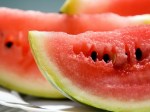 Watermelon: If you’re looking for a slimming snack, watermelon can’t be beat. You’d have to eat six cups of the stuff to get the calories in just half a cup of Haagen-Daz vanilla ice cream! And watermelon’s no slouch in the beauty-boosting department, either. According to Tufts University researchers, it’s loaded with lycopene — a plant compound that acts like an internal sunblock, upping your protection against damaging UV rays by as much as 46 percent, helping to prevent collagen damage and skin sagging.
Cantaloupe: According to USDA researchers, this melon is one of the most filling fruits you can find — eating just half a cup squashes hunger pangs for two hours at a stretch. An added perk: Cantaloupe is packed with vitamin A — a nutrient that a study in Environmental Nutrition says can help block the buildup of artery-clogging plaque, cutting your risk of heart disease as much as 33 percent.
 Blueberries: Blueberries improve circulation and fight free-radical damage to cells and tissues, says Keller. They’re also super low-cal. Enjoy them on top of oatmeal, in whole-grain muffins, as a garnish for BBQ meats and even pureed into hamburger patties for added moistness and flavor!
Green Beans: Add half a cup of green beans to your evening meal and you’ll feel full almost twice as quickly  — and stay full for three hours straight, say Stanford University researchers. Credit green beans’ appetite-controlling blend of omega-3 fatty acids, magnesium and fiber. And here’s the kicker: According to Stanford studies, green beans are also high in anti-inflammatory enzymes — compounds that can help flush excess water weight out of cellulite-prone areas.
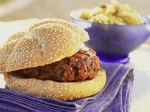 Buffalo Burgers: No need to give up red meat when you’re grilling. Bison (or buffalo) burger is naturally lean, far lower in fat and calories than beef, chicken or pork. Plus, it’s a great source of iron and omega 3 fats. Try the patties open-faced with half a bun, and hold the cheese and mayo while piling on the mustard, relish and salsa.
Cherry Tomatoes: When it comes to fat-burning potential, cherry tomatoes are off the charts. According to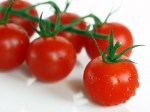 Yale University researchers, just adding a cup of these sweet gems to your daily diet could help you shed up to three pounds every month — without making any mega diet changes. Credit goes to the cherry tomatoes’ antioxidants — including naringenin, rutin and kaempferol — which soak liver cells and fire up their ability to burn stored fat for fuel.
 Kohlrabi: Never tried it? It looks like a funky cross between a cabbage and a turnip but it actually tastes vaguely like a peeled broccoli stem (only milder and sweeter). Kohlrabi is great raw — in salads and coleslaws — plus it’s delicious grilled, roasted and stir-fried. And according to Stanford University researchers, kohlrabi is rich in choline, potassium and phosphorus — nutrients that energize your central nervous system, helping you exercise harder without running out of steam.
Sweet Corn: Few things say summer like freshly picked corn on the cob. And if you love carbs — and have a tough time fighting off the urge to nosh them nonstop — then this is the veggie for you. Each cob contains three grams of appetite-taming protein, plus 138 milligrams of phenylalanine — an amino acid that quickly soaks into brain cells, where it dampens carb cravings for up to three hours. Corn is also one of nature’s top sources of lutein and zeaxanthin — antioxidants that stall the growth of vision-robbing cataracts, say Yale researchers.
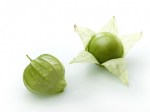 Tomatillos: They look like baby green tomatoes, but they’ve actually got a tangy, citrusy flavor that goes great with a multitude of Mexican dishes, including guacamole, salsa verde, enchiladas, soups…you name it. Tomatillos contain just 11 calories each, plus they’re a great source of appetite-suppressing minerals. Feeling frazzled? Tomatillos are also rich in withanolides — plant compounds that help calm the adrenal glands, say researchers at the Swedish Herbal Institute in York, Maine.
Bartlett Pears: They’re the most popular pear world-wide, and for good reason: Penn State studies suggest eating one each morning can help you effortlessly trim 190 calories out of your daily diet — and 12 pounds off your figure every year. The act of chewing, plus the rich, satisfying flavor of these juicy pears, soothes the hypothalamus — the region of your brain that fuels powerful hunger pangs and cravings, say Stanford University researchers.
 Chilies: Jalapenos, habaneros, serranos, fresnos…these mouth-watering fruits (yes, they’re fruits!) can do a lot more than just jazz up your favorite soups and chilies. According to a British research team, their active ingredient — capsaicin — can also boost your fat-burning metabolic rate by 10 percent for up to three hours at a stretch. Another fiery fact: Canadian research shows that chilies suppress appetite, helping you feel full on 200 fewer calories per meal.
Lima Beans: To lose weight at a steady clip, you need to keep your blood sugar levels low, since your body will only dip into your fat stores if its supply of easy-to-burn sugars dries up, says Larrian Gillespie, M.D., author of You’re Not Crazy, It’s Your Hormones. And that’s where lima beans come in handy. According to Australian researchers, they’re packed with fiber and plant proteins — molecules that stall carb absorption in the intestines, plus help your muscles burn blood sugar before it can sabotage your weight loss efforts. Enjoy half a cup daily, and you could speed your weight loss by 50 percent, the study authors say.
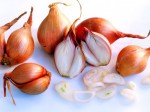 Shallots: They’re from the same family as onions, but these milder bulbs won’t bring tears to your eyes when you slice them. Despite their mild nature, shallots are loaded with sulfur — a nutrient that helps your hard-working organs burn carbs for fuel before they can be stowed away as fat, say Stanford University researchers. Sulfur is also a powerful anti-inflammatory that helps kill off H. pylori — the troublesome bacteria that causes stomach ulcers, add researchers at Albany’s State University of New York.
Grapes: Scientists measure how much foods mess with your blood sugar — and your ability to lose weight —  by using a scale called the glycemic index. Lower numbers are better, and that’s where grapes really shine. According to studies at Australia’s University of Sydney, these tasty little globes have a glycemic index of 43 — and that means they’re as good at keeping your blood sugar steady and helping you lose weight as bran cereals and chick peas! Got an achy back? Purple and red grapes are loaded with resveratrol — an antioxidant that relaxes blood vessels, improving blood flow to damaged back tissues and speeding their healing, says Mark Stengler, N.D., author of The Natural Physician’s Healing Therapies.
 Romaine Lettuce: Fat-blasting fact: A large romaine lettuce leaf contains just one calorie — plus it’s fat-free, sodium-free and cholesterol-free! Need more incentive? Romaine is rich in folic acid — a B vitamin that can actually reverse cervical dysplasia (a precancerous condition that can progress to cervical cancer). Folic acid soaks into the cervix and forces abnormal cells to either grow normally or die, say University of Florida researchers. Use romaine to add an impressive crunch to your sandwiches — or turn the leaves into “pockets” to hold chicken, cheese, veggies and other fillings.
Kiwis: These sweet, tart treats are now showing up in even the smallest grocery stores. And nibbling one or two of them daily could help you reach your weight loss goals a whole lot sooner. That’s because kiwis are loaded with chlorophyll — a green pigment that heals and energizes the liver, increasing this organ’s ability to burn fat for fuel, says Susan M. Lark, M.D., author of Dr. Susan Lark’s Hormone Revolution. Another perk: A study published in the journal Thorax suggests that the kiwi’s healing vitamin C and chlorophyll can help cut lung troubles — like shortness of breath and wheezing during exercise — by as much as 32 percent.
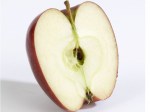 Gala Apples: They start cropping up in August, and their mild, sweet flavor, thin skin, small size and resistance to bruising makes them one of the most loved apples nationwide. Munch one before lunch and another before supper, and Brazilian researchers say you could effortlessly shed three pounds of fat in one month. The reason? Apples are nature’s number one source of pectin — a soluble fiber that blocks the absorption of dietary fats. Good news: Apples are also rich in quercetin and ellagic acid — compounds that cut your liver’s production of artery-clogging LDL cholesterol by 34 percent, say researchers at the University of California at Davis.
Source: iVillage


 I Am Lady Fab